
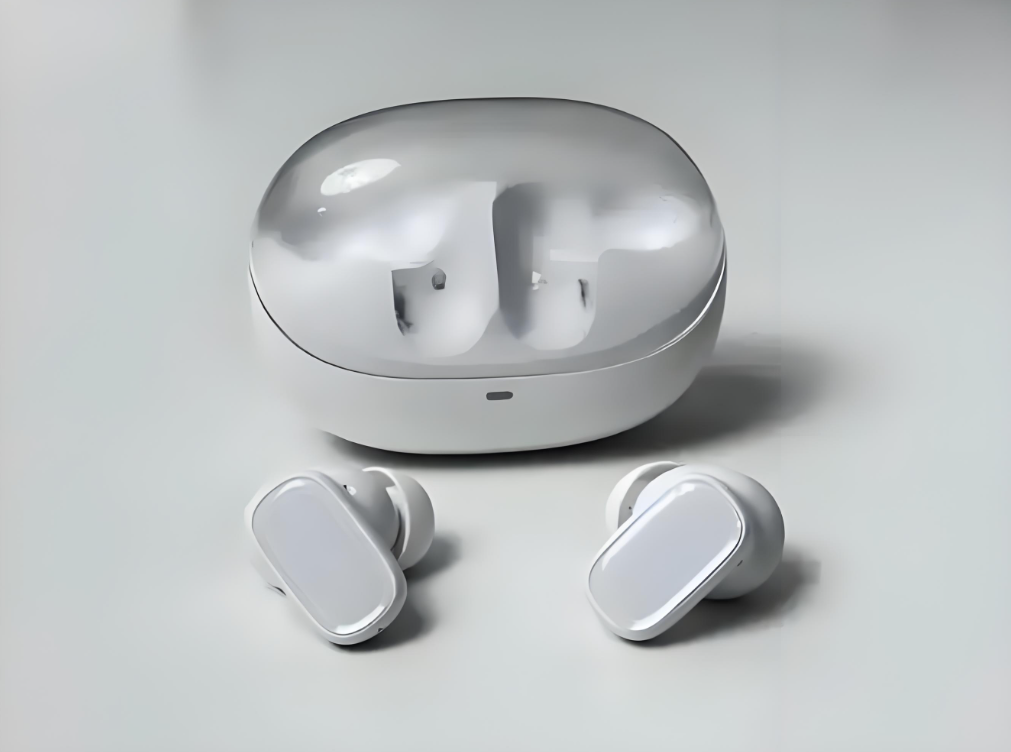
Bluetooth Headphone Inspection in China: Quality Checklist
Bluetooth Headphone Inspection in China: Quality Checklist
Bluetooth headphones require careful quality inspection before shipment. Buyers need to verify product appearance, assembly, audio performance, Bluetooth connectivity, charging functions, accessories and retail packaging against their approved specifications.
Our third-party product inspection services help importers, brands, wholesalers and sourcing teams identify quality issues before goods leave the factory.
A typical Bluetooth headphone inspection may cover:
-
Appearance and workmanship: Check scratches, cracks, gaps, color differences, loose components and assembly defects.
-
Audio and functional testing: Test left and right channels, sound output, buttons, microphone and other agreed functions.
-
Bluetooth connectivity: Check pairing, reconnection and connection stability according to the agreed test procedure.
-
Battery and charging: Check charging operation, indicators and battery-related functions within the agreed inspection scope.
-
Accessories and packaging: Verify charging cables, cases, manuals, labels, barcodes and carton markings.
-
Quantity and defect inspection: Verify quantities and record defects using the agreed sampling plan and acceptance criteria.
The exact inspection scope depends on the product design, buyer requirements and applicable standards. An ordinary product inspection does not replace required laboratory testing or regulatory certification.
Need a Bluetooth headphone inspection in China? Contact our team with your product specifications, factory location, order quantity and expected inspection date to discuss an inspection plan.
Wearing headphones while walking on the road, the hustle and bustle of the world seems to be isolated from me. A few years ago, the mainstream was still dominated by wired headphones, but now, with the rapid development of technology, wireless Bluetooth headphones, with their convenient usage experience and strong sense of technology, have quickly taken over the market. So, how does a wireless Bluetooth headphone go through a strict inspection process from production to delivery to ensure its quality? What are the inspection standards and methods for wireless Bluetooth headphones?
1. Sampling standards and schemes for Bluetooth headphone inspection
Third-party inspection companies usually follow international standards ISO 2859-1 Conduct sampling inspections to ensure the results are statistically representative. Common sampling schemes include:
Inspection type: Normal inspection with one sampling
Sampling level: G-III or S-4
Acceptable Quality Limit (AQL):
Extremely serious defect: 0 (not allowed)
Serious defect: 0.25
Minor defect: 0.4
Sampling quantity:
When using the G-III level, 125 items are sampled;
When using the S-4 level, 13 items are sampled.
This sampling method is widely used in factory audits and bulk product inspections to ensure efficient and evidence-based quality assessment.
II. Basic Safety, Functionality and Workmanship Inspection of Bluetooth Headphones
During the inspection process, inspectors need to conduct a comprehensive check of the product, covering packaging, appearance, assembly, functionality and safety:
2.1 Sales Packaging Inspection
Is the color box/PVC bag intact and undamaged?
Is the printed content correct and without defects?
Is the barcode clear and scannable, and the information accurate?
2.2 Appearance Inspection
Is the body free of scratches, peeling, color difference, mold spots or rust?
Is the structure free of deformation, cracking or damage?
Are the buttons, switches, knobs, screws, etc. normal?
Is there no foreign matter or obvious craftsmanship flaws in the whole?
2.3 Components and Assembly Inspection
Are all accessories (such as user manual, warranty card, earphone case, etc.) complete and not missing?
Is the assembly structure stable, neither too tight nor too loose?
Is the shell seam tight, aligned well, and the product placed stably?
2.4 Cleanliness Inspection
Is the product surface free of dirt, glue marks, color spots; are there no injection molding burrs or fly-aways?
2.5 Label and Hanging Tag Inspection
Are all types of labels missing, misattached, upside down or in the wrong position?
2.6 Printing and Surface Treatment Inspection
Is the printed pattern clear, without omissions, blurriness or inaccurate registration?
Is the spray paint/electroplating layer uniform, without peeling, accumulation or deficiency?
2.7 Basic Function Inspection
All advertised functions need to be tested to ensure there are no omissions or faults;
There is no noise, abnormal vibration or button failure;
Repeated power on/off 5 times without any abnormalities.
2.8 Safety Performance Inspection
The waterproof performance is good, without leakage risks;
There are no accessible dangerous components or sharp edges;
The structure is firm, the safety lock is effective, and there are no safety hazards caused by loosening.
III. Internal Process Inspection
During factory audits or sampling disassembly inspections, detailed assessment of internal processes is also required:
Are the solder joints uniform and firm, without cold soldering or false soldering?
Is the internal circuit layout neat, with smooth line slots without sharp edges?
Is grounding reliable, and the power line is fixed effectively?
Are there no extra foreign substances, loose components or structural defects?
IV. On-site Testing Items
The inspector will simulate user usage in the actual environment and perform multiple on-site tests, such as:
Barcode scanning test (outer box and sales packaging);
Odor check (product and packaging);
Mold wear test (water wipe and isopropyl alcohol wipe);
Size and weight verification;
Complex function verification (such as noise reduction, voice assistant);
Assembly and drop adaptability test;
Electrical performance test: input voltage/current, efficiency, output power, temperature rise, etc.;
Charging and discharging test (headphone and charging case);
LED indicator light and button operation test;
Tightening/loosening test (to test structural durability).
V. Select Professional Third-Party Inspection Services
These professional Internet + inspection platforms provide one-stop quality services covering inspection, factory audits, customs clearance, etc. Their advantages include:
High cost-effectiveness, fast order processing, reports issued on the same day;
LBS positioning system for precise matching of service areas;
Online video inspection, real-time viewing of the inspection site, improving transparency of supervision.
Whether it is the brand, the e-commerce sellers or the purchasers, through a systematic and professional inspection process, the quality risks of products can be significantly reduced, ensuring that each pair of Bluetooth headphones meets the design expectations and market requirements, providing consumers with a safe and reliable usage experience. Our China HuiBang Focus specializes in product inspection and quarantine, testing and certification, supplier background checks, audits, factory inspections, and other services.
Need Third-Party Headphone Inspection in China?
Before shipping your Bluetooth headphones, arrange an inspection to check product quality against your agreed specifications.
Our inspection services can help you assess:
-
Product appearance and workmanship
-
Audio and functional performance
-
Bluetooth pairing and connectivity
-
Charging functions and accessories
-
Packaging, labeling and order quantities
分享这个商品
Bluetooth Headphone Inspection China | QC Checklist
Need Bluetooth headphone inspection in China? Learn how to check appearance, assembly, accessories, audio functions, charging and packaging before shipment. Request a third-party inspection quote.