

Electric Vehicle (EV) Used Car Inspection Series: Battery, Motor & Electronic Control Verification Guide
With second‑hand EV transactions exceeding 1.6 million units annually, battery state‑of‑health (SOH), motor condition, and electronic control system stability have become the core decision‑making metrics. Unlike conventional vehicles, EV inspection shifts focus from “engine, transmission, chassis” to “battery, motor, electronic control” (the “three‑electric” system). This article explains how to inspect and certify a used EV.
1. Battery State‑of‑Health (SOH) – The “Echocardiogram” of an EV
Hidden risk – Battery degradation is inevitable. Some sellers temporarily “activate” the battery or clear fault codes, making short test drives unable to reveal real range loss or cell voltage imbalance.
Inspection methods
-
Read BMS data – Connect a professional diagnostic tool to the OBD port and retrieve the battery management system data, including cell voltages, temperatures, and SOH.
-
SOH ≥ 85% – excellent
-
70% ≤ SOH < 85% – acceptable, but budget for future replacement
-
SOH < 70% – not recommended (range severely reduced)
-
-
Check voltage difference – Identify the highest and lowest cell voltages.
-
ΔV < 0.05 V – good
-
ΔV ≥ 0.30 V – poor consistency; potential safety hazard
-
-
Perform a charging test – Use a DC fast charger from 30% to 80% while recording charging power and time.
-
If the actual charging power stays below half of the nominal value (e.g., 25 kW for a 60 kW claim), the internal resistance is too high or the thermal management system is failing.
-
Certification requirement – A professional inspection report must include SOH value, voltage difference, a charging curve screenshot, and a statement about remaining factory warranty.
2. Motor & Drive System – “Acoustic Diagnosis” of Rotating Parts
Common issues – Bearing wear, permanent magnet demagnetisation, and gearbox (reduction gear) noise. Early symptoms are subtle, but they can later cause power interruption.
Inspection methods
-
Low‑speed listening test – Close the windows and turn off the audio. Drive steadily at 20–30 km/h. Listen for a high‑pitched “whining” sound or metallic grinding.
-
A slight hum is normal. Sharp or irregular noises indicate bearing or gear wear.
-
-
Acceleration response – In a safe area, perform several moderate to heavy accelerations from standstill.
-
The motor should respond instantly without vibration or hesitation. Any judder or “cogging” sensation points to inverter or winding problems.
-
-
Regenerative braking check – Release the accelerator pedal and observe the regenerative braking effect.
-
Inconsistent regen or jerky deceleration may signal a battery or motor controller issue.
-
Certification tip – A credible inspection service will include a motor acoustic analysis and a regenerative braking test in the report.
3. Electronic Control Unit (ECU) & High‑Voltage System – The “Nervous System”
Hidden risk – Intermittent faults, insulation degradation, and contactor welding may not trigger a warning light during a short test drive but can leave you stranded later.
Inspection methods
-
Read fault codes – Use a multi‑brand diagnostic scanner to check all ECUs (BMS, VCU, MCU, OBC).
-
Look for historical or pending codes related to insulation, contactors, or CAN communication.
-
-
Insulation resistance test – A specialised EV workshop can measure the insulation resistance between the high‑voltage bus and the chassis.
-
Acceptable value: normally > 500 Ω/V (e.g., > 200 kΩ for a 400 V system). Lower values indicate a risk of high‑voltage leakage.
-
-
High‑voltage contactor operation – Listen for a distinct “clunk” when the vehicle is powered on and off.
-
Missing or multiple clicks suggest contactor welding or poor connection.
-
Certification requirement – The verification report should state that the insulation test passed and list any stored fault codes.
4. Thermal Management System – “Cooling & Heating Health”
Why it matters – EV batteries and motors rely on liquid cooling. A failed cooling system causes accelerated degradation and reduced fast‑charging speed.
Inspection methods
-
Check coolant levels and colour – Open the front trunk (frunk) or service panel. Look for two separate circuits: battery coolant and motor/inverter coolant.
-
Coolant should be bright (pink, blue, or green) and free of oil sheen or debris.
-
-
Monitor temperature rise during fast charging – While performing the 30‑80% charging test, observe the battery temperature on the diagnostic tool.
-
Normal rise: 5–10 °C above ambient. A sudden spike to >50 °C indicates poor thermal management.
-
-
Cabin heating test – Turn the heater to maximum.
-
EVs use PTC heaters or heat pumps. A weak or delayed heat output may mean a failing heater or low coolant in the battery loop.
-
Inspection note – A proper inspection always checks both coolant loops and records temperature changes.
5. Physical Inspection Specific to EVs
Beyond the traditional used‑car checklist, add these EV‑specific items:
-
Undercarriage – battery pack – Look for deep scratches, dents, or cracks on the battery housing.
-
Even a small puncture can allow moisture inside, leading to a very expensive replacement.
-
-
High‑voltage cables – Inspect the orange‑coloured high‑voltage cables under the bonnet and under the car.
-
Any chafing, cuts, or loose connectors are a safety hazard.
-
-
Charge port – Open the charge port door and inspect the pins for burn marks, melting, or debris.
-
Burnt pins indicate previous overheating and a faulty charge controller.
-
-
Service history for battery – Ask for any battery‑related software updates or recalls performed by the manufacturer.
-
Missing updates may affect range prediction and charging behaviour.
-
6. The Role of Third‑Party Inspection & Certification for EVs
Inspection of an EV’s high‑voltage system and battery requires specialised equipment and training. Therefore, using a third‑party inspection and certification service is essential.
What a professional EV certification report should include
-
Battery SOH, voltage difference, and fast‑charging power curve
-
Motor acoustic analysis and regen performance
-
Insulation resistance measurement and any stored fault codes
-
Coolant condition and thermal management assessment
-
Visual condition of the battery pack, high‑voltage cables, and charge port
-
Remaining manufacturer warranty for the three‑electric system
Choosing a qualified EV inspection provider
-
Verify that the provider has EV‑specific diagnostic tools (e.g., CAN‑based battery analyser)
-
Ask if the inspectors are trained in high‑voltage safety
-
Check if the report is accepted by leasing companies or insurance providers
-
Ensure the provider offers a buy‑back guarantee if a major undisclosed fault is found later
7. Contract & Warranty Protection
-
Put the certification results in the purchase contract – State that the seller guarantees the battery SOH is at least the value shown in the inspection report, and that the car has no flood damage or structural repairs.
-
Transfer the factory EV warranty – Many manufacturers offer 8‑year/160,000‑km battery warranties. Confirm in writing that the warranty is transferable to the new owner.
-
Keep all evidence – Save the inspection report, diagnostic logs, and communication with the seller. These documents are crucial if litigation becomes necessary.
Summary
Used EV inspection is fundamentally different from checking a conventional car. The battery, motor, electronic control unit, and thermal management system require specialised tools and expertise. While a buyer can perform basic checks (listening to the motor, feeling acceleration, looking at the charge port), the high‑voltage system and battery health must be certified by an independent third‑party inspection service.
Two‑layer approach for a safe purchase
-
Personal check – Visual inspection, low‑speed listening, acceleration feel, coolant level, basic cabin heating test.
-
Professional certification – BMS data readout, insulation resistance measurement, fault code scan, battery pack underbody inspection, and a legally defensible inspection report.
Only by combining both layers can you minimise risk and drive away in a reliable, high‑performance used EV. For more professional verification knowledge, stay tuned.
分享这个商品
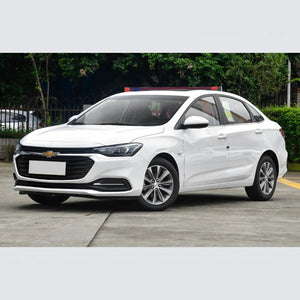
Electric Vehicle (EV) Used Car Inspection Series: Battery, Motor & Ele
battery state‑of‑health (SOH), motor condition, and electronic control system stability have become the core decision‑making metrics.