
Inspection methods, procedures and precautions for dump trucks
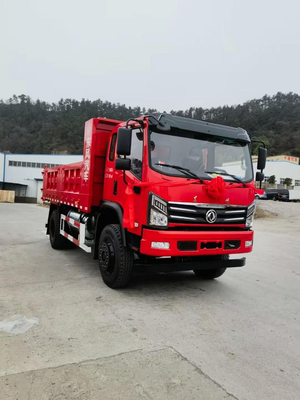
Dump trucks are the core transportation equipment for construction projects, mining operations, and short-distance transportation. Their working environment is harsh, with heavy loads, high impact, and frequent lifting. The technical condition of the truck body and lifting system directly affects operational efficiency and personal safety. Accidents such as side rollover of the truck body, hydraulic pipe burst, and frame fracture during lifting often have disastrous consequences. In scenarios such as new vehicle procurement and delivery, used vehicle transactions, assessment of batch leased vehicles, or factory acceptance of major overhauls, a comprehensive inspection covering the chassis, lifting system, truck body structure, and safety devices is a key barrier for controlling asset quality risks.
I. Overview of Inspection Methods
Based on the power source type of the dump truck (diesel/LNG/electric), the lifting structure (front-mounted/central-mounted/T-type), the vehicle body type (rectangular hopper/U-shaped hopper/rock hopper), and the client's requirements, the inspection comprehensively employs the following methods:
Static full inspection: The vehicle is left stationary. The exterior of the vehicle, the chassis frame, the auxiliary frame, the cargo compartment, the lifting hydraulic system, the tires, the electrical components, etc. are inspected item by item through visual inspection, manual touch, and measurement tools.
Dynamic road test: Conduct driving, steering and braking tests on a safe enclosed road to evaluate the chassis powertrain and the overall vehicle handling performance.
Lift-specific test: Conduct the entire process of vehicle lift, mid-stop pressure retention, and descent on a safe site to verify the functionality, sealing performance, and synchronization of the hydraulic lift system.
Shaking table testing (optional): Brake test bench, axle load meter, side slip table, etc., to obtain quantitative braking and axle load data.
Document and label traceability: Verify the consistency between the vehicle's label, frame VIN code, engine number, auxiliary beam and lifting cylinder labels and the qualification certificate, and the conformity certificate.
The third-party inspection is based on the package of "static full inspection + dynamic road test + lifting special test + functional verification". When there are disputes or significant transactions involved, additional bench testing and non-destructive testing of paint film/materials may be added as per the situation.
II. Inspection Process
1. Data Collection and Preparation for Inspection
The client provides a list of the vehicles to be inspected, specifying the brand and model, drive type (such as 6×4, 8×4), vehicle compartment specifications (length × width × height, floor thickness, side panel thickness), lifting type (front top / middle top / T-type), emission stage, designed loading capacity, etc. The inspection party prepares inspection equipment: tape measure, vernier caliper, thickness gauge, feeler gauge, infrared thermometer, high-pressure pressure gauge set (for lifting system), flashlight, leak detection spray agent, etc.
2. Confirmation of Venue and Safety Conditions
The inspection site should be a solid and flat hard surface. There should be no overhead cables, pipelines or other obstructions above the area where the vehicle is lifted. The vehicle should be empty, with normal tire pressure, the engine turned off, and the keys kept by the inspector or the designated test driver. Wheel chocks should be placed at the front and rear of the vehicle. The inspector should wear a safety helmet, reflective vest and anti-shatter shoes. During the vehicle lift test, a safety isolation area with a radius of no less than 1.5 times the diagonal length of the vehicle should be set up.
3. Identity and Label Verification
VIN code verification: Impress the VIN code on the frame beam, and compare it one by one with the certificate of conformity and the vehicle nameplate to ensure there are no signs of grinding, re-engraving, or tampering.
Vehicle nameplate: Verify the manufacturer, model, drive type, curb weight, maximum allowable total mass, engine model and power, etc. parameters.
Engine Number: Verify that the engine number on the cylinder block is consistent with the information on the nameplate, and check for any signs of grinding.
Lift system label: Record the model of the lift cylinder, working pressure, manufacturer, and compare with the contract requirements or standard configuration. Sub-frame label (if any) records the specifications and parameters.
4. Inspection of the vehicle's exterior and interior structure
Carriage body inspection - top priority
Carriage floor: Use an ultrasonic thickness gauge or a mechanical caliper to measure the thickness at multiple points of the floor, and compare the results with the factory specifications. Check for severe dents, tears, penetrating rust, especially in the rear discharge impact area. Carefully inspect for cracks at the weld seams, particularly those connecting the floor to the rear crossbeam and the floor to the side panels.
Side panels/front panels of the carriage: Measure the thickness, check for bulges, deformations, or cracks. Ensure that the reinforcement ribs and columns are intact and look for any signs of repair by welding.
Passenger compartment rear door/ tailgate: Check the flexibility and wear condition of the hinges and door latch mechanism; the condition of the rear door sealing strip (if any); the door panel is free from deformation that causes the door to not close properly or to automatically pop open.
Cabulation rotation shaft and support: Check the clearance of the rotation shaft bushing/copper sleeve with a feeler gauge to ensure the lubrication points are unobstructed. Check for any cracks in the welds of the support. Excessive wear of this point can cause lateral shaking of the cabulation during lifting.
Cab locking/anti-opening device: Check whether the fixed locking hooks between the cab and the frame, as well as the manual or automatic locking mechanisms, are complete and functioning properly to prevent the cab from accidentally tipping over during travel.
5. Inspection of the sub-frame and chassis structure
Subframe (auxiliary beam): Check for any distortion or cracks in the auxiliary beam profile, as well as the tightening status of the connecting bolts/U-bolts between the subframe and the main frame (using torque marking inspection or hammering to determine if they are loose). Focus on inspecting the welding quality of the auxiliary beam in the rear flipping support area.
Main frame beam: Conduct a comprehensive visual inspection from front to back, especially at the connection points of the auxiliary beams, the support areas of the shock absorber blocks, and the area beneath the lifting cylinder base. Look for any cracks hidden beneath the paint peeling. If necessary, use a strong light flashlight to observe closely. Any traces of welding or additional welding must be recorded and the quality of the repair evaluated.
Limiting and buffering: Are the buffer rubber blocks/ shock absorbers between the carriage and the frame intact without any detachment? Is the alignment limiting device of the carriage deformed when it returns to its original position?
6. Inspection of the lifting hydraulic system
Lifting cylinder - this is the "heart" of the dump truck
Appearance: The outer cylinder surface of the lifting cylinder (front-mounted single cylinder/multi-stage sleeve type, middle-mounted double cylinder/T-type multi-cylinder) shows no scratches, dents or holes. The exposed parts of the multi-stage sleeve cylinders have no scratches, pitting or rust on the chrome coating.
Sealing: For the piston rod seal and the connection points of the cylinder body, it is necessary to check for any leakage before and after the lifting test. The focus should be on the oil-covered state of the piston rod after lifting - only a small amount of oil film is allowed; any obvious dripping or streaking indicates leakage.
Hydraulic piping and connectors: The high-pressure rigid pipes and rubber hoses are neatly arranged without any interference or friction; the rubber hoses are free from aging cracks, bulges; all connectors are tested with leak detection spray after lifting and holding pressure, and leakage is strictly prohibited.
Hydraulic oil tank and oil quality: The oil level in the tank is within the scale range, the breather is clean; Observe the color of the oil. White and cloudy = water ingress, dark brown and black = oxidation and deterioration, metallic sheen = abnormal wear.
Hydraulic pump and power take-off: The power take-off engages and disengages smoothly without any abnormal noise; The hydraulic pump housing shows no oil leakage and there is no abnormal noise during operation.
7. Inspection of Power Transmission and Chassis Systems
Following the general inspection procedures for heavy vehicles, conduct static and road tests on the following systems:
Engine: Startup performance, idle stability, acceleration response, smoke color judgment, and external leakage checks.
Transmission: Smooth shifting performance, no oil leakage from the housing.
Transmission shaft: State of universal joint and intermediate support.
Drive axle: Seepage from the main reducer and wheel hub. Clean the vent plug. Conduct temperature measurement of the axle head after road test.
Steering system: Check the free rotation range of the steering wheel, as well as the looseness of the steering gear and the ball joints of the tie rod.
Brake system: air circuit drying tank, drainage of air reservoir, pipe sealing, wear of brake pads, ABS function.
Suspension system: The condition of the coil springs and air suspension is good, and the horse bolts are securely fastened.
Tires: Tire tread wear uniformity, tread depth measurement, abnormal uneven wear (may indicate issues with the axle positioning or bearings).
8. Inspection of the cab and electrical functions
Functional checks of the interior decoration, instruments, air conditioning, etc. (in line with the standards for regular vehicles).
Drive force switch and lifting control device: Is the locking protection for the drive force switch effective (to prevent accidental engagement of the drive force during driving)? The lifting handle/button functions normally and the mid-stop position is sensitive.
Lift limit alarm: If a lift position confirmation alarm or limit switch is equipped, the function needs to be verified to ensure it is effective.
Lights: The normal functions of the outline lights, side indicator lights, and rear working lights (if equipped) are all in good condition. The width indicator lights on the vehicle body are also intact.
9. Dynamic Road Test (Empty Load)
Starting, shifting gears, accelerating, steering, and braking performance evaluation (the same as the general heavy vehicle road test process).
Pass through the bumpy section at a low speed, listen for any abnormal impact noises between the carriage and the secondary beams, as well as at each hinge connection point, and assess the stability of the locking mechanism.
After the road test, immediately recheck the status of the vehicle's locking mechanism and whether there are any new leaks at each hydraulic connection point.
10. Lifting Special Test - The Core Component of the Inspection
When the vehicle is unloaded, follow the steps below to perform the operation in a safe area:
Pre-check: Ensure the site is level, there is no obstruction above, the safety area is clear, the vehicle's parking brake is engaged, and the transmission is in neutral position.
Clutch engagement: Engage the clutch, confirm that the hydraulic pump is operating normally and there is no abnormal whistling sound.
Slow lifting: Gently push the lifting handle, and the vehicle will rise smoothly. Check for any skew, shaking, or sticking. Confirm that each sleeve of the multi-stage cylinder extends in sequence.
Constant pressure hold: When the lift reaches 50% - 70% of the height, return the handle to the "stop" position and maintain it for 3 minutes. Record the amount of the car body's descent (measure the height change of a certain point at the rear of the car from the ground). Significant descent = leakage in the control valve or the hydraulic cylinder.
Full lift: Continue to lift to the maximum angle. Check if the limit device is functioning properly, if the relief valve is properly opened (judged by sound), and if the system pressure is stable.
Reversion: Move the handle to the reversion position. The carriage descends smoothly without any shock or crawling. Eventually, it completely rests on the buffer block of the secondary beam and the locking mechanism automatically or manually returns to its original position.
Repetition test: Conduct one more rapid lifting - lowering cycle to verify the stability of the system's operation under hot conditions.
Post-test inspection: Check for oil leakage in the piston rod of the lifting cylinder, the sealing performance of each joint, the change in the liquid level of the hydraulic oil tank, and use an infrared thermometer to measure the temperatures of the hydraulic oil tank and the pump body. There should be no abnormal overheating.
11. Exhaust emissions and noise (optional)
Use a portable smoke meter to measure the free acceleration smoke level; use a sound level meter to measure the stationary/accelerated noise, and compare with the agreed standards or national limit values to make a judgment.
12. Report Output
Summarize all the inspection item records, image materials, and measurement data (such as the thickness of the base plate, the settlement amount of the cylinder, etc.), mark the qualified items, general defects, serious defects and observation items. Form a "Third-party Dump Truck Inspection Report" that includes photos of the VIN code, photos of the measurement of the carriage thickness, and photos of the lifting test records, and deliver it to the client.
III. Important Notes
Safety - The Hazardous Limits of Dump Truck Inspections
During the lifting test, it is strictly prohibited for any personnel to be under the vehicle body, within the radius of the vehicle's side overturning, or in the loading direction at the rear of the vehicle. In the past, accidents such as burst pipes in the lifting cylinder or broken supports causing the vehicle body to suddenly fall have occurred during inspections. This is not just theoretical talk.
Before conducting the lifting test, it is necessary to visually confirm that there are no new cracks in the welds of the lifting cylinder base and that there are no signs of imminent detachment of the hydraulic pipelines. If any doubts exist, perform static reinforcement or pressure relief checks first; do not attempt to lift without proper precautions.
After the test is completed, ensure that the carriage has fully returned and the locking device is in place. Only then can the isolation be removed and access be granted to the surrounding area of the vehicle.
The wear of the carriages and their structural integrity are the core elements of the valuation.
The usage condition of the dump truck's cargo compartment directly affects the overall vehicle value. Besides measuring the thickness of the base plate, special attention should be paid to "hidden damages" - subtle cracks at the root of the welds, corrosion pits on the back of the reinforcing ribs, and deformation or missing of the bottom crossbeam of the cargo compartment. These are often covered by dirt. Before inspection, it is necessary to require the vehicle to be washed thoroughly to expose the structural body.
The leakage of the lifting cylinder and the settling amount during the mid-stop are key performance indicators.
If the pressure holding and stabilization settlement exceeds the standard, it indicates that there is a safety hazard of the carriage automatically sliding down when operating at a high position (such as discharging materials to the crusher), and it may also lead to incomplete discharge. This must be strictly measured and timed, and determined based on the data. The front-mounted multi-stage cylinder, due to its structural characteristics, allows for extremely small settlement, but it is absolutely not allowed for the multi-stage cylinder to retract on its own.
The connection between the secondary beam and the main frame is a hidden risk point.
Loose U-bolts or broken secondary beams may cause the vehicle body to separate from the chassis during operation, which is the highest safety risk item. During visual inspection, use a strong light to shine on the connection plate and the root of the bolt to check if there are any traces of relative displacement and friction on the paint surface (indicating loosening). Any welding repair of the secondary beams must be thoroughly evaluated for welding quality.
The signs of modification and addition cannot be ignored.
Increased guardrails: There are bolt holes or welding marks on the upper part of the side panels of the carriage, indicating that the vehicle may have been overloaded during operation. During the inspection of the chassis structure, special attention should be paid to the condition of the main and auxiliary beams.
Heating device: Some dump trucks have installed exhaust gas heating or electric heating devices at the bottom of the cargo compartment to prevent materials from freezing in winter. Such modifications involve changes to the exhaust system or wiring, and their safety compliance must be checked.
Tarpaulin/cover plate system: If there is an electric tarpaulin cover system, check the motor, guide rails, tarpaulin condition and the remote control function. Include this as a functional item.
The mileage/hour count and the degree of wear and tear should be mutually verified.
Heavy-duty dump trucks are mostly used at construction sites, and mileage is less valuable as a reference compared to working hours. Inspectors should comprehensively consider factors such as wear of the driver's seat, wear of the steering wheel coating, collapse of the seat, wear of the cargo bed floor, aging of the engine belt and pipelines, and then make a comprehensive judgment on the actual usage intensity of the equipment. They should also conduct a logical comparison with the displayed mileage/hours.
The photo archives cannot be compromised.
The VIN code, the connection point of the auxiliary beam, the weld seam at the base of the lifting cylinder, the measurement reading of the thickness of the vehicle body floor, the position of the vehicle during the lifting hold-pressure test and the timing tool, all need to be independently retained with high-definition photos or videos. Making sure that each judgment conclusion can find visual evidence in the photos is the basic professional requirement for a third-party inspection report.
Conclusion
The essence of the inspection of dump trucks lies in the verification of "being able to lift, move steadily, and stop safely". Even a one-millimeter thinner bottom plate of the truck body, a one-centimeter increase in leakage in the lifting cylinder, or a one-centimeter longer crack in the auxiliary beam - all these could be the dividing line between safety and accidents. The task of the third-party inspection and factory certification service is to replace visual perception with data measurement, and personal experience with process norms. Ultimately, they will provide the client with an objective, detailed, and reliable technical status report that can withstand review, to safeguard the quality bottom line for the safe operation of each dump truck.
分享这个商品
Inspection methods, procedures and precautions for dump trucks
Dump trucks are the core transportation equipment for construction projects, mining operations, and short-distance transportation.