
Mid-term Quality Inspection of Clothing (DPI) - Its Crucial Role in Factory Inspections and Certification Processes
Mid-term inspection (DPI) refers to the situation where, when the production progress of the product reaches 20% to 30%, a third-party inspector enters the factory to conduct random sampling inspections and detailed tests on semi-finished products or partially packaged finished products. The core purpose of this is to detect and identify initial quality issues as early as possible, prevent the production of a large number of defective products, and at the same time provide effective improvement measures to the customers. This stage is not only a "warning system" for the quality of the main production batch, but also an important basis for the factory inspection to evaluate the process control ability of the supplier.
I. The Strategic Significance of Mid-term Inspection
Through mid-term inspection, it can be achieved that:
Ensure that the quality of the products throughout the production process remains under control.
Identify the issues that need to be corrected as early as possible before the bulk production is completed.
Compare the initial inspection records to verify whether the supplier has effectively made improvements to the previous defects.
Identify newly emerging quality issues and re-record them to form a closed-loop management process.
For factory inspections, mid-term inspections can objectively reflect the production management level of the factory, the condition of equipment, the compliance of personnel operations, and the effectiveness of the quality system. They are indispensable sources of evidence in the certification audit process.
II. When to Conduct Mid-Process Inspection
Generally, when the order products have completed approximately 20% to 30% of the production process, the inspectors will conduct sampling inspections on the semi-finished and finished products based on the product specifications provided by the customer, the confirmation samples, and the technical standards. This timing can both expose early problems and leave sufficient time for rectification.
III. Key Inspection Points for Mid-Term Inspection (Taking Clothing as an Example)
Production Status: Verify whether the production progress is in line with the plan and assess whether the factory can deliver the goods on time. This is part of the capacity assessment during the factory inspection.
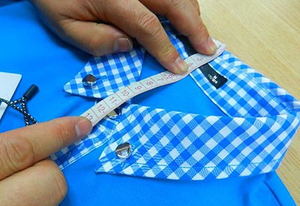
Inspection of semi-finished products and finished products: Check whether the sewing, ironing, size, color difference, and accessories meet the inspection standards.
Production line and production capacity: Observe the balance of the production line, the standard operation of workers, the operating status of equipment, etc., to provide on-site evidence for the factory inspection.
Packaging information and materials: Verify the packaging method, carton labels, tags, barcodes, etc., to ensure they comply with the requirements of the certification logo.
Provide improvement suggestions: For the identified defects (such as loose threads, stains, asymmetry, etc.), propose specific corrective measures and conduct follow-up verification.
IV. Special Precautions for Mid-Process Quality Inspection of Clothing
Ironing and Drying: Ensure that the clothes are fully dried after ironing to prevent mold. The inspectors should check the degree of dryness of the products and the packaging environment.
Packaging and packing ratio: Verify whether the quantity, color, and size combinations match the order.
Insect Protection: This is particularly important in summer. Screens should be installed on factory packaging workshops, windows, ventilation fans, etc. to prevent mosquitoes from contaminating the environment. This falls under the hygiene and pest control audit items during factory inspections.
Quantity verification: Ensure that the actual number of packed items is consistent with the packing list, and avoid under-packing or mixed packing.
V. Association between Mid-term Inspection, Factory Audit, Testing and Certification
Factory Audit: The records of mid-term inspections can serve as supporting materials for audits on the supplier's social responsibility, quality system, environmental health and safety (EHS), etc. For instance, whether the factory has organized production as planned, whether it has implemented first-piece verification, and whether it has conducted self-inspections on semi-finished products, etc.
Inspection: Mid-term inspection is a process control step within the inspection process, and its outcome directly affects the final inspection conclusion of the finished product.
Certification: The issues identified and rectified during the interim inspection can help the enterprise successfully pass the audits of ISO 9001, WRAP, BSCI, etc.
VI. Professional Support from Third-Party Inspection Institutions
Professional third-party inspection institutions (such as HQTS Hansmann Group) can dispatch experienced inspectors to the factory to conduct mid-term inspections and provide detailed reports. The service includes: product sampling, sampling between processes, production progress verification, defect analysis and improvement suggestions. This full-process quality control not only reduces the risks of rework and returns but also provides reliable inspection and certification basis for customers.
Summary: Mid-term inspection (DPI) serves as a bridge between the initial inspection and the final inspection. Through early intervention, it significantly improves the qualification rate of bulk goods. By integrating factory inspection audits and product certification systems, enterprises can establish a complete quality assurance chain from raw materials to finished products, effectively controlling costs and enhancing brand reputation.
分享这个商品
Mid-term Quality Inspection of Clothing (DPI) - Its Crucial Role in Fa
Mid-term Quality Inspection of Clothing (DPI) - Its Crucial Role in Factory Inspections and Certification Processes