

Riding Boots Inspection and Verification Standards: A Comprehensive Quality Control Guide
Title: Riding Boots Inspection and Verification Standards: A Comprehensive Quality Control Guide
Introduction
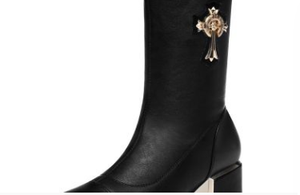
The inspection and verification of riding boots are critical components of quality control in the footwear industry. As riding boots combine functional performance with durability requirements, a systematic inspection process ensures that every pair meets the highest standards of safety, comfort, and aesthetic appeal. This guide outlines the key aspects of riding boots inspection, covering facial leather, accessories, and sole construction, providing a comprehensive reference for inspectors, manufacturers, and buyers alike. These standards also serve as essential criteria during factory audits and certification processes.
1. Facial Leather and Upper Inspection
The upper part of riding boots determines both appearance and structural integrity. Inspectors must carefully examine the following aspects:
1.1 Leather Quality and Surface Condition
-
Strap Handling: When stretching the strap, ensure it is not twisted; avoid scuffing or damaging the upper part of the boot. For genuine leather products, the toe tip, vamp, and outer waist must be free from poor leather quality issues such as insect marks, scratches, or thread marks.
-
Material Consistency: For woolen materials, check for fading and ensure proper pairing between left and right boots.
-
Surface Smoothness: The upper surface must be smooth without wrinkles or uneven texture. The toe part should be flat and smooth without any protrusions.
1.2 Stitching and Seam Quality
-
Thread Condition: The surface of the leather cover must not have any loose threads or broken lines. The bottom line must be continuous, with no missing stitches or jumping stitches.
-
Stitch Density: Ensure stitching uniformity meets the required specifications (typically measured in stitches per inch).
1.3 Shape and Symmetry
-
Toe Inclination: Check if the toe inclination is consistent and compare it with the reference sample to ensure accuracy.
-
Boot Shaft Alignment: Verify whether the boot shaft is leaning forward or backward. The shaft must be straight and free from wrinkles.
-
Arch Shape: The arch of the foot must be properly formed and not depressed.
1.4 Color and Finish
-
Color Difference: Compare the color of the shoe surface with the reference sample. Check for any shade variations.
-
Gloss and Rubbing Fastness: Ensure glossiness and rubbing color effect match the approved sample. This is a key inspection item for appearance quality.
1.5 Branding and Labeling
-
Trademark Accuracy: Check if the trademark letters are correct and whether all required markings are present. This includes compliance with certification requirements for target markets.
1.6 Lining and Inner Construction
-
Toe Lining: The inner lining of the shoe toe must not be wrinkled or folded. Check if it extends properly into the midsole.
-
Heel Counter (Hongbao): Check if the heel counter has been inserted under the midsole. Ensure no counters are missing or left out, and verify that the hardness is sufficient (especially the rear counter, which must be firm).
1.7 Zipper and Closure
-
Zipper Function: The zipper should operate smoothly, and the locking mechanism must be properly positioned.
-
Anti-slip Feature: Check if the zipper has anti-slip properties and whether durability is sufficient.
-
Trademark on Zipper: Verify that any branded zipper components are correct.
1.8 Boot Shaft Lining
-
Smoothness: Is the boot shaft lining smooth? Are the stitching seams of the inner lining properly executed?
2. Accessories and Decorative Elements
Accessories on riding boots must meet strict safety and durability standards. This section is particularly important for safety certification requirements.
2.1 General Accessory Requirements
-
Durability and Safety: Various accessories must be non-breakable, free from paint peeling, not sharp, without burrs, and must not be made of iron material (to prevent rust). They also must not be prone to falling off during normal use.
-
Testing Method: Inspectors should perform pull tests to verify attachment strength.
2.2 Embroidery Quality
-
Stitch Appearance: The stitch spacing for embroidery must be aesthetically pleasing.
-
Durability: Embroidery must not come loose easily.
-
Color Matching: Ensure no significant color differences between embroidery thread and base material.
2.3 Decorative Beads and Buttons
-
Attachment Strength: If the upper has decorative beads or buttons, their durability must be excellent. Inspectors should pull and tug to see if they come off easily.
-
Safety Consideration: Loose decorative elements can pose choking hazards, making this a critical inspection point for children's products or any items subject to consumer safety regulations.
3. Sole and Bottom Construction
The sole is the foundation of riding boots, directly impacting performance, durability, and safety. This area requires rigorous testing and verification.
3.1 Midsole Requirements
-
Material Strength: Check whether the midsole core is made of hard steel material and whether it has passed the bending resistance test. This is a key performance test for safety footwear.
-
Combination Material: Verify whether the midsole board combination material complies with company specifications.
-
Curvature Match: Check if the midsole curvature matches the toe shape properly.
-
Edge Condition: Examine whether heat-stamped bottoms have rolled edges.
3.2 Outsole and Platform
-
Material Verification: Is the leather (or outsole) made of PU material? Check for any color differences.
-
Wear Resistance: Verify that wear resistance meets company standards through appropriate testing methods.
-
Adhesion: Are there any gaps or separations between the upper leather and the sole? Poor adhesion can lead to premature failure.
3.3 Impact Resistance
-
Testing Confirmation: Verify that the sole has undergone impact testing and meets company requirements. This is essential for certification compliance, especially for protective footwear.
3.4 Gap and Separation Issues
-
Cover Attachment: Check for gaps or separation between the cover and the bottom. Any detachment issues must be flagged as defects.
3.5 Lasting and Attachment
-
Attachment Security: During the lasting process, ensure secure attachment using the specified number of screw nails and tooth nails (e.g., four screw nails and four tooth nails).
-
Pull Force Testing: Test the pulling force to verify attachment strength.
-
Smoothness: The lasting should be smooth and stable without any swaying.
-
Front Flatness: The front part should be flat without any wavy shape.
3.6 Heel Construction
-
Heel Cap: Check if the protrusions on the heel cap are raised or sunken. Uneven heels can affect walking stability.
-
Nail Protrusion: Observe if there are any protruding nails on the heel (extending from the side), which can cause injury or damage floors.
3.7 Outsole and Platform Fit
-
Perfect Fit: Verify whether the outsole fits perfectly with the waterproof platform. Gaps can allow water penetration.
3.8 Sole Material Properties
-
Color Fastness: The sole should not fade in color during use or testing.
-
Thickness and Flexibility: Verify that thickness and softness/hardness meet the required standards.
3.9 Cleanliness and Foreign Objects
-
Internal Cleanliness: There should be no foreign objects inside the shoes.
-
Nail Removal: All nails inside the shoes must be removed and cleaned thoroughly. This is a critical safety inspection point.
3.10 Fit and Stability
-
Fit Assessment: Check if the shoes fit properly according to size specifications.
-
Heel Stability: Verify whether high heels will wobble unsteadily during wear. This affects both comfort and safety.
4. Sampling and Acceptance Criteria
4.1 Sampling Plan
-
Follow internationally recognized sampling standards such as AQL (Acceptable Quality Level) to determine sample sizes.
-
For critical safety items (e.g., accessory attachment, sole adhesion), consider tightened inspection or special inspection levels.
4.2 Defect Classification
-
Critical Defects: Safety hazards such as sharp edges, toxic materials, or easily detachable small parts. Zero tolerance.
-
Major Defects: Functional failures (e.g., broken zipper, sole separation), significant appearance issues, or non-compliance with certification requirements.
-
Minor Defects: Slight appearance imperfections that do not affect use or safety.
4.3 Documentation
-
All inspection results must be documented in a formal inspection report, including:
-
Photos of defects with measurements
-
Test results for performance items
-
Sampling information and final disposition
-
5. Connection to Factory Audits and Certification
5.1 Supplier Qualification
-
Riding boots manufacturers should undergo regular factory audits to verify:
-
Quality management system (e.g., ISO 9001 certification)
-
Production process controls
-
Material sourcing and verification procedures
-
Calibration records for testing equipment
-
Worker training and competency
-
5.2 Product Certification
-
Depending on target markets, riding boots may require specific certifications:
-
CE marking for European market (e.g., EN ISO 20347 for occupational footwear)
-
ASTM standards for US market
-
CSA standards for Canadian market
-
-
Inspectors should verify that certified products bear correct marks and that production matches certified samples.
5.3 Continuous Improvement
-
Inspection findings should be fed back to suppliers for corrective actions.
-
Repeat issues identified during inspection should trigger follow-up audits and process improvements.
分享这个商品
Riding Boots Inspection and Verification Standards: A Comprehensive Qu
Riding Boots Inspection and Verification Standards: A Comprehensive Quality Control Guide