

Testing & Certification | Update of UL4200A Standard for American Button Batteries
The Higg Index is an innovative suite of sustainability measurement tools. It enables the apparel, footwear, textile, and retail industries to conduct self-assessments of their environmental and social responsibility performance, facilitating continuous improvement. Developed by the Sustainable Apparel Coalition (SAC)—a global alliance of over 200 leading brands, retailers, manufacturers, NGOs, government agencies, and academic institutions—its core mission is to reduce the negative environmental and social impacts of the global consumer goods supply chain.
The Higg Index provides two primary verification frameworks for manufacturing facilities:
-
Higg Facility Environmental Module (FEM)
-
Higg Facility Social & Labor Module (FSLM)
Completing these modules and undergoing third-party verification has become a critical industry practice for demonstrating credible sustainability performance to global buyers.
1. Higg Facility Environmental Module (FEM)
The Higg FEM is designed for manufacturing facilities. It allows facilities to complete an annual self-assessment of their environmental management performance. To ensure data credibility, facilities can choose to have their self-assessment verified by an SAC-approved third-party verification body. This process helps identify opportunities for reducing environmental impact and drives long-term sustainability improvements from raw material to end product.
Core Areas of Inspection & Verification (Factory Audit Focus):
During the on-site factory audit, verifiers will inspect and review evidence across the following seven sections:
-
Environmental Management System
-
Energy Use and Greenhouse Gas Emissions
-
Water Use
-
Wastewater
-
Air Emissions
-
Waste Management
-
Chemicals Management
2. Higg Facility Social & Labor Module (FSLM)
The Higg FSLM is the result of SAC's integration of the Social & Labor Convergence Project (SLCP) standard. It aims to reduce audit fatigue by replacing various proprietary social compliance audits with one converged assessment. Facilities complete an annual self-assessment, which can be verified by an SAC-approved body to provide stakeholders with reliable data on social and labor conditions.
Core Areas of Inspection & Verification (Factory Audit Focus):
The on-site verification for FSLM involves a thorough inspection of management systems, records, and interviews, covering these eleven areas:
-
Recruitment and Hiring
-
Working Hours
-
Wages and Benefits
-
Treatment of Workers
-
Worker Involvement
-
Health and Safety
-
Termination
-
Management Systems
-
Facility Workforce Standards & Value Chain Partners
-
External Engagement on Social & Labor Issues
-
Community Engagement
3. How to Apply for Higg FEM & FSLM Verification
The process for both modules follows a standardized sequence of self-assessment, third-party verification, and reporting. Engaging a professional consultant for preparation is highly recommended to ensure a smooth audit.
Step-by-Step Verification Process:
| Step | Action | Key Details & Professional Services Context |
|---|---|---|
| 1. Registration & Self-Assessment | Create an account on the official www.higg.org platform, purchase the relevant module(s), and complete the Self-Assessment Questionnaire (SAQ). | The SAQ is complex. Many facilities employ consultants for gap analysis and pre-inspection coaching to ensure accurate data collection and readiness. |
| 2. Select a Verification Body | Choose and contract an SAC-approved verification body from the official list. | It is crucial to select a body with expertise in your facility type and region. They will schedule the on-site audit. |
| 3. On-Site Verification Audit | The approved verifier conducts a comprehensive on-site factory audit. | This is the core inspection phase. Verifiers will examine documents, inspect the premises, and interview staff to validate the SAQ answers for both FEM and/or FSLM. |
| 4. Report Generation & Sharing | The verifier submits the report to the Higg platform. The facility can then share the verified profile with customers. | The result is a verified score profile, not a pass/fail certification. Buyers use these benchmark scores for sustainable sourcing decisions. |
4. Important Notes on Verification Outcomes
-
Not a Pass/Fail Certification: Higg verification does not result in a traditional "certificate of compliance." Instead, it produces a verified score profile that benchmarks a facility's performance.
-
Focus on Continuous Improvement: The primary value lies in identifying strengths and weaknesses to create actionable improvement plans, demonstrating a commitment to progress.
-
Buyer-Specific Requirements: Individual brands or retailers set their own acceptable score thresholds based on the verified data.
For facilities, thorough preparation—including internal inspections, management system reviews, and staff training—prior to the third-party verification audit is essential for achieving scores that accurately reflect your sustainability performance and meet buyer expectations.
分享这个商品
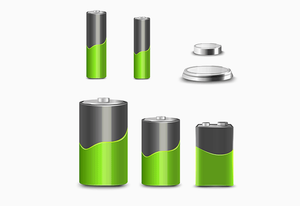
Testing & Certification | Update of UL4200A Standard for American Butt
The Higg Index is an innovative suite of sustainability measurement tools. It enables the apparel, footwear, textile, and retail industries