

Furniture Inspection Checklist: Pre-Shipment Quality Control
Furniture Inspection Checklist: Pre-Shipment Quality Control
Furniture quality plays an important role in customer satisfaction, product durability, and the success of international shipments. For importers, wholesalers, retailers, and private-label brands, furniture defects can lead to customer complaints, costly returns, shipment disputes, and additional handling expenses.
Common quality problems include scratches, dents, uneven finishes, incorrect dimensions, loose fittings, unstable structures, missing accessories, and damaged packaging. Some defects are visible during a routine visual check, while others require measurements, assembly checks, or product-specific functional tests.
A structured furniture inspection process helps buyers verify that products match the approved sample, purchase order, drawings, material specifications, and packaging requirements before shipment.
This guide explains the main furniture quality risks, inspection stages, essential checklist items, and practical ways to improve quality control before goods leave the factory.
1. What Are the Common Quality Problems in Furniture?
Furniture products vary widely in construction, materials, and intended use. Wooden furniture, metal furniture, upholstered seating, tables, cabinets, and flat-pack products therefore require inspection criteria tailored to their specific designs.
1.1 Appearance and Workmanship Defects
Appearance is often the first thing customers notice when receiving furniture. Common defects include:
-
Scratches, dents, stains, and visible surface damage
-
Uneven paint, coating, polishing, or finishing
-
Color differences between components or product units
-
Rough edges, burrs, glue marks, or poor trimming
-
Cracks, chips, or visible material defects
-
Misaligned components, uneven gaps, or poor assembly
-
Loose threads, uneven stitching, or upholstery wrinkles where applicable
Inspectors should compare the products with the approved reference sample and agreed appearance standards. Acceptable limits for minor cosmetic defects should be defined before inspection.
1.2 Dimensional and Structural Problems
Incorrect dimensions or weak connections can affect furniture assembly, appearance, stability, and usability.
Inspection points may include:
-
Overall length, width, height, and other specified dimensions
-
Panel thickness and component measurements where required
-
Hole positions, drilling accuracy, and alignment
-
Joint quality, fastener installation, and connection points
-
Leg alignment and contact with the floor
-
Drawer, door, hinge, and sliding mechanism operation
-
Stability and load-related checks according to the product specification
The appropriate testing method depends on the furniture type, design, intended use, and applicable safety requirements. A simple visual inspection cannot establish that every item is structurally safe.
1.3 Materials and Component Consistency
Furniture may combine wood, engineered panels, metal, glass, plastic, foam, fabric, leather, and other materials. Substituting components or changing material specifications without approval can affect the finished product.
Buyers should check:
-
Material type and finish against the approved specification
-
Color, texture, thickness, and other defined characteristics
-
Hardware, screws, hinges, handles, and mounting accessories
-
Glass or mirror components, where applicable
-
Upholstery fabric, stitching, foam, and visible seams
-
Evidence of moisture damage, corrosion, contamination, or mold-like growth
Where material composition or chemical compliance is important, visual inspection should be supplemented by appropriate documentation or laboratory testing.
1.4 Packaging and Shipping Damage
Furniture can be vulnerable to scratches, impact, compression, moisture, and handling damage during international transportation.
Common packaging problems include:
-
Insufficient corner protection or cushioning
-
Damaged, weak, or poorly sealed cartons
-
Missing protective film or wrapping
-
Components rubbing against each other inside the carton
-
Incorrect carton markings or product labels
-
Missing screws, fittings, manuals, or assembly tools
-
Mismatches between the packing list and actual shipment
Inspection should cover both the product and its packaging to help reduce avoidable transport and warehouse handling issues.
2. What Does a Standard Furniture Inspection Process Include?
Furniture quality control should be planned around the production schedule and shipment risk. Depending on the order, buyers may consider initial production checks, during-production inspections, final random inspections, full inspection, and container loading supervision.
2.1 Initial Production Check (IPC)
An Initial Production Check is conducted when the factory begins manufacturing and early units are available for review.
The objective is to identify specification or workmanship problems before they are repeated throughout mass production.
Inspectors may check:
-
Raw materials and components against approved specifications
-
Product drawings, dimensions, finishes, and colors
-
Cutting, drilling, welding, painting, polishing, or sewing processes as applicable
-
Hardware and assembly methods
-
Early samples against the approved reference sample
-
Packaging materials and printed information
If incorrect materials, dimensions, or production methods are identified, corrective action can be taken before a large quantity is completed.
2.2 During Production Inspection (DUPRO)
A During Production Inspection is useful when production is underway and the buyer still has time to address problems.
Key checks may include:
-
Consistency of dimensions, colors, finishes, and materials
-
Workmanship across different production batches
-
Joint quality, fastener installation, and component alignment
-
Drawer, door, hinge, and other moving-part operation
-
Upholstery stitching and visible fabric defects where applicable
-
Repeated defects, rework quality, and production consistency
-
Packaging preparation and accessory availability
The findings can help buyers decide whether the factory needs to adjust production methods, correct recurring defects, or strengthen process controls.
2.3 Final Random Inspection (FRI)
A Final Random Inspection is generally scheduled after production is complete and a sufficient proportion of the order is packed and ready for inspection. The required completion and packing status should be agreed in advance.
A typical furniture final inspection includes the following areas.
Appearance and workmanship
-
Scratches, dents, stains, chips, and finish defects
-
Uneven color, poor polishing, or visible glue marks
-
Rough edges, burrs, and damaged surfaces
-
Misaligned panels, gaps, or poor assembly
Dimensions and specifications
-
Overall dimensions and other specified measurements
-
Material type, finish, color, and component specifications
-
Product model, SKU, and quantity
-
Consistency with the approved sample, drawings, and purchase order
Assembly and function
-
Assembly using the specified instructions and hardware
-
Drawer, door, hinge, and sliding mechanism operation
-
Fastener installation and connection quality
-
Stability or other product-specific checks where applicable
Accessories and packaging
-
Screws, fittings, handles, tools, and manuals
-
Retail packaging, cushioning, wrapping, and carton condition
-
Product labels, barcodes, and carton markings
-
Packing list, quantities, and shipment identification
Sampling and Defect Classification
An AQL-based sampling plan may be used for final random inspection when the sampling standard, inspection level, defect categories, and acceptance/rejection criteria have been agreed in advance.
Sampling helps assess a production lot under a defined plan, but it does not guarantee that every unit is defect-free. Critical safety concerns should have clear escalation and rejection rules appropriate to the product and applicable requirements.
The inspection report should document the sample size, defects found, photographs, relevant measurements, functional checks, and recommended corrective actions.
2.4 Full Inspection and Container Loading Supervision
For high-value orders, products with recurring defects, or shipments requiring additional control, buyers may consider a full inspection or other supplementary checks.
Container loading supervision can help verify:
-
Correct product models and quantities
-
Carton condition before loading
-
Consistency between cartons and shipping documents
-
Container condition before loading
-
Compliance with agreed loading arrangements and sealing instructions
Container loading supervision helps control shipment and loading risks, but it does not replace product inspection or product-specific safety testing.
To learn more about available quality control options, visit QC Inspection.
3. Furniture Inspection Checklist: What Should Be Checked?
The inspection checklist should be tailored to the furniture category, materials, construction, intended use, and customer requirements.
3.1 Wooden and Engineered-Wood Furniture
For wooden furniture and products made from engineered panels, check:
-
Surface scratches, dents, chips, cracks, and visible defects
-
Finish consistency, color, grain appearance, and edge treatment
-
Panel dimensions and thickness where specified
-
Drilling positions, joints, and component alignment
-
Screws, connectors, hinges, and other hardware
-
Signs of moisture damage or other storage-related problems
-
Assembly quality and consistency with the approved sample
If formal material or emissions requirements apply, review the relevant documentation and arrange suitable testing where necessary.
3.2 Metal Furniture
For metal furniture, inspection may include:
-
Scratches, dents, deformation, and sharp edges
-
Weld quality and visible welding defects
-
Coating consistency, peeling, and corrosion
-
Hole positions and alignment of connected components
-
Fasteners, joints, and assembly quality
-
Stability and specified functional checks
Additional testing may be needed when the product has defined corrosion-resistance, load-bearing, or other performance requirements.
3.3 Upholstered Furniture
For sofas, chairs, and other upholstered products, check:
-
Fabric or covering color, texture, and visible damage
-
Stitching, seams, piping, and edge finishing
-
Wrinkles, uneven padding, or visible deformation
-
Frame assembly and attachment points where accessible
-
Cushion dimensions and consistency
-
Labels, accessories, and packaging protection
Where specified, the buyer may also require additional tests related to durability, flammability, chemical restrictions, or other market-specific requirements.
3.4 Flat-Pack Furniture
Flat-pack furniture requires particular attention to component completeness and assembly compatibility.
Inspectors should verify:
-
Correct panels and component dimensions
-
Drilling positions and pre-installed fittings
-
Correct quantity and type of screws, connectors, and accessories
-
Assembly instructions and product identification
-
Fit between mating components
-
Packaging arrangement and protection against transit damage
A sample assembly check can help identify alignment or fitting problems, but the method and extent should be appropriate to the product and agreed inspection scope.
4. Common Furniture Inspection Mistakes to Avoid
Mistake 1: Assuming an Approved Sample Guarantees Bulk Quality
An approved sample shows the agreed product at a particular point in time. It does not guarantee that all mass-produced units will have identical materials, dimensions, or workmanship.
How to avoid it: Keep a reference sample, document key specifications, and arrange production-stage or pre-shipment inspections according to the order's risk.
Mistake 2: Checking Appearance but Ignoring Assembly and Function
Furniture may look attractive but still have misaligned drawers, loose connections, incorrect fittings, or stability concerns.
How to avoid it: Include relevant assembly, dimensional, and functional checks in the inspection plan. Define the expected results and acceptance criteria before the inspection.
Mistake 3: Using Vague Acceptance Criteria
Terms such as “good quality” or “acceptable finish” may be interpreted differently by buyers and suppliers.
How to avoid it: Provide approved samples, drawings, dimensions, finish requirements, defect classifications, and written acceptance criteria.
Mistake 4: Overlooking Accessories and Packaging
Missing fittings, incorrect manuals, and inadequate protective materials can cause customer complaints even when the main furniture components are acceptable.
How to avoid it: Verify the complete set of accessories and inspect the packaging against the approved packing specification.
Mistake 5: Waiting Until Shipment to Find Repeated Defects
A final inspection may identify a widespread production problem when there is little time left for rework.
How to avoid it: Consider an initial production check or during-production inspection for new suppliers, complex products, or orders with limited corrective-action time.
5. How to Choose a Third-Party Furniture Inspection Service
When selecting an inspection provider, buyers should consider:
-
Product experience: Familiarity with relevant furniture materials, assembly methods, finishes, and hardware.
-
Clear inspection criteria: Checks based on approved samples, drawings, purchase orders, and agreed specifications.
-
Documented findings: Reports with defect descriptions, photographs, measurements, and relevant functional-check results.
-
Appropriate testing scope: Product-specific checks selected according to design, intended use, and applicable requirements.
-
Practical corrective-action support: Clear findings that help the buyer communicate with the supplier and arrange rework or reinspection.
-
Suitable inspection coverage: Access to initial production checks, during-production inspections, final random inspections, full inspection, and container loading supervision as required.
You can review available quality control services on the QC Inspection website.
6. Frequently Asked Questions
Q1. Is Third-Party Furniture Inspection Necessary Before Shipment?
Third-party inspection is not universally mandatory for every furniture shipment. Requirements depend on the destination market, product category, applicable regulations, and buyer or retailer requirements.
Independent inspection can help verify product specifications, identify workmanship issues, and document shipment condition before dispatch.
Q2. What Does a Furniture Pre-Shipment Inspection Include?
A typical inspection may cover appearance, dimensions, materials, workmanship, assembly, hardware, accessories, packaging, labels, and quantity.
Additional checks may be required for structural performance, stability, chemical compliance, or other product-specific requirements.
Q3. What Sampling Standard Should Be Used for Furniture Inspection?
An AQL-based sampling plan may be used when the sampling standard, inspection level, defect classifications, and acceptance/rejection criteria have been agreed in advance.
The plan should reflect the product and buyer's risk tolerance. Sampling is not a guarantee that every unit is defect-free.
Q4. What Happens if the Inspection Finds Defects?
The buyer should review the inspection report and agree on corrective action with the supplier. Depending on the problem, this may involve sorting, rework, replacement, additional testing, or reinspection.
Serious safety or specification issues should be resolved before shipment is approved.
Q5. Can Furniture Packaging Be Checked During the Inspection?
Yes. Inspectors can check carton condition, protective materials, accessory completeness, labels, markings, and packing quantities against the agreed requirements.
Container loading supervision can provide additional checks during the loading process.
7. Improve Furniture Quality Control Before Shipment
Effective furniture quality control combines clear specifications, approved samples, production monitoring, dimensional and workmanship checks, suitable functional evaluations, and packaging verification.
For importers, wholesalers, retailers, and private-label brands, a structured inspection plan can help identify problems earlier, improve supplier accountability, and reduce avoidable shipment disputes.
Explore our third-party inspection services to learn more about available quality control options.
To discuss your furniture inspection requirements, contact our team and provide your product type, order quantity, production location, destination market, and planned shipment date. These details help establish an appropriate inspection scope and acceptance criteria.
分享这个商品
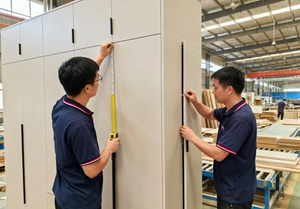
Furniture Inspection Checklist: Pre-Shipment Quality Control
Learn how third-party furniture inspection helps identify material defects, structural issues, dimensional errors, missing hardware, and packaging problems before shipment.