

Inspection methods, procedures and precautions for tower cranes (tower cranes)
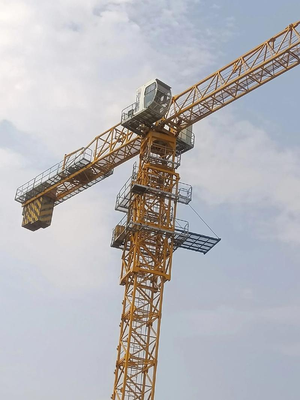
Tower cranes are indispensable vertical and horizontal transportation equipment in projects such as house construction, bridge construction, power station construction, and large-scale steel structure installation. They are lifted section by section to heights of tens or even hundreds of meters through standard sections, with long arms covering a wide working radius, and are responsible for lifting tasks of heavy objects such as steel bars, formworks, concrete, and prefabricated components. Tower crane accidents - whether it is the fracture of standard sections, the bending of the lifting arm, the tearing of the slewing bearing, or the overturning of the entire machine - often result in mass casualties and huge property losses, making it one of the equipment with the highest safety risk level in the construction industry. In scenarios such as new machine procurement and delivery, second-hand equipment transactions, lease entry and exit inspection, post-installation inspection before use, and regular safety assessment, a systematic inspection covering metal structures, lifting, slewing and rotation, climbing frames, safety devices and electrical control is the core barrier to ensuring the inherent safety of tower cranes.
I. Overview of Inspection Methods
Based on the structural form of the tower crane (flat-head tower/pointed-head tower/boom tower), climbing method (attachment type/inner climbing type/independent type), lifting capacity grade and client requirements, inspections typically employ the following methods in combination:
Static comprehensive inspection: After the tower crane is installed or when the components are disassembled, a detailed visual inspection and precise measurement using measuring tools are conducted for the foundation slab, standard sections, lifting jib frame, slewing assembly, boom/lateral arm, tower head/tower cap, steel wire ropes, hooks, concrete counterweights, etc.
Dynamic performance test: In the ground control room or remote control mode, verify the smoothness, speed, control response and braking efficiency of all actions such as lifting, luffing (traveling trolley) / boom pitch, and rotation.
Load test: Using standard weights or calibrated heavy objects, the rated lifting capacity, structural stiffness, stability, and effectiveness of safety devices are verified under multiple working ranges. This is the core part of the tower crane inspection.
Special verification of safety devices: Trigger and test all safety functions one by one, including the torque limiter, load capacity limiter, height limiter, luffing limiter, slewing limiter, wind speed alarm device, obstruction lights, etc.
Document and Label Traceability: Verify the consistency and validity of the entire machine's label, main structural components (standard sections, lifting arm, tower head) steel stamping numbers/labels, wire rope certificates, safety device calibration reports, special equipment usage registration certificates, and regular inspection reports.
The third-party inspection consists of a complete package including "static full inspection + dynamic performance testing + special verification of safety devices + load test + in-depth review of documents". Any simplification of any item must be carried out after written risk confirmation.
II. Inspection Process
1. Data Collection and Preparation for Inspection
The client provides a list of the tower cranes to be inspected, clearly specifying the manufacturer, model, rated lifting moment, maximum lifting capacity, maximum working radius, boom length configuration, standard section specifications, climbing method, manufacturing year, applicable standards (GB/T 5031, GB 5144, TSG Q7015, etc.). The inspector prepares: long tape measure/ laser rangefinder, vernier caliper, feeler gauge, wire rope diameter gauge, ultrasonic thickness gauge, weld inspection ruler, hydraulic pressure gauge set, infrared thermometer, level/hanging level instrument, walkie-talkie, calibrated weights or heavy objects, etc.
2. Confirmation of venue and safety conditions
The loading test site is located within the coverage radius of the tower crane, and the ground is solid and flat. There are no obstacles within the test radius, and there are no overhead cables in the air. Wind speed monitoring - the environmental wind speed during the test must be lower than the manufacturer's specified limit (usually no more than level 6, approximately 13m/s). A warning line is set up in the inspection area, and non-inspection and command personnel are strictly prohibited from entering. The lifting commander and operator must hold valid special equipment operation qualification certificates and use unified command signals.
3. Identity and Label Verification
Machine nameplate: Verify that the manufacturer, model, factory serial number, manufacturing date, rated lifting force, maximum lifting capacity, etc. are consistent with those in the "Special Equipment Use Registration Certificate".
Main structural component identification: The standard sections, lifting arm sections, tower head/tower cap, slewing assembly, jacking frame, etc., which are the main metal structural components, should have a unique traceable steel stamp number or nameplate, corresponding to the factory documents. Mixing different model standard sections is a major safety hazard.
Wire rope certificate: Manufacturer, model, diameter, breaking tension and factory certificate of the lifting wire rope and luffing wire rope (if applicable).
Safety device calibration report: Calibration/verification reports for safety devices such as torque limiters and load limiters are valid within the specified period.
Special equipment procedures: Are the "Special Equipment Use Registration Certificate" and "Periodic Inspection Report" within their validity periods? Are the installation notification procedures complete? Any missing nameplates, untraceable steel stamp numbers, incomplete procedures or overdue situations must be upgraded to serious non-conformities.
4. Inspection of Foundation and Attachment Devices - Foundation of Tower Crane
Foundation Piers: The concrete foundation shows no severe cracks or signs of uneven settlement. The tightening status of the embedded anchor bolts/fixed legs in the foundation - inspected one by one using a torque wrench according to the manufacturer's specified torque values. The surface elevation and levelness of the foundation are rechecked using a level instrument - uneven settlement will cause the tower to tilt.
Attachment device (attachment-type tower crane): Connection and tightening of the attachment frame to the standard sections of the tower body - inspection of connection bolt torque. The attachment rods have no deformation, bending, or weld cracks. The connection between the attachment rods and the pre-embedded parts of the building is firm. The attachment spacing and the height of the cantilever above the topmost attachment must comply with the manufacturer's specifications.
Internal climbing device (internal climbing tower crane): The connection and bearing condition between the internal climbing frame and the structural floor plate is normal, and the lifting device functions properly.
5. Inspection of the standard sections and the tower body - The "backbone" of the tower crane
Appearance of standard sections: Conduct visual inspections for each section to check for any deformation, rust, dents, or material tears in the main chord rods and diagonal/vertical braces. Pay special attention to the welding joints of the main chord rods and diagonal/vertical braces - use a strong flashlight to closely examine for any weld cracks. Any suspected cracks should be cleaned and then undergo PT/MT testing for confirmation.
Standard section connection: Inspection of the tightening status of the connecting bolts/sleeve pins between the standard sections - Random inspection of high-strength bolt torque must comply with the manufacturer's specified values. Check that the opening pins/locking pins are complete and not loose.
Standard section straightness: After the tower body is installed, use a theodolite to measure the verticality of the tower body in two perpendicular directions. The deviation must be within the allowable range of the national standard (usually no more than 4‰ of the height of the tower body).
Standard section mixing inspection: Verify the steel stamp numbers of each standard section to ensure they are of the same model and from the same manufacturer. Mixing of standard sections of different models is one of the common causes of tower crane overturning accidents, and such behavior must be strictly prohibited.
6. Inspection of the lifting frame and climbing system
Frame structure: The frame structure is free from deformation and weld cracks. The gap between the frame and the guide rollers/slots of the standard sections is normal, and there is no sticking during the climbing process.
Lifting cylinder: The chromium coating on the piston rod is undamaged, and there is no leakage in the cylinder body. The clearance of the cylinder ear seat pin shaft is normal. Hydraulic lock function - After the lifting is completed, the control valve returns to the neutral position, and the cylinder shall not retract by itself.
Lifting beam and shoe assembly: The lifting beam shows no deformation or weld cracks. The connection between the shoe assembly and the standard section lifting support is reliable.
Ladders and rest platforms: The ladders, rest platforms and guardrails inside the lifting frame are complete, sturdy and free from severe rust.
7. Rotation assembly inspection
Swing support: Random inspection of the torque of the connecting bolts between the inner and outer rings of the swing support and the upper and lower supports. The tooth surfaces of the gear ring show no broken teeth or severe wear. The sealing strips are intact. During the swing operation, listen throughout the process for any periodic abnormal sounds.
Rotation mechanism: The rotation motor/hydraulic motor and reducer have no oil leakage, and the brake functions effectively. The rotation limit device function - when the left and right rotations reach the specified number of turns (usually 1.5 turns), it should automatically cut off the rotation power.
Cab/Control Console: The control handles, buttons, and pedals function properly. The torque limiter display/indicators are functioning normally and there are no fault codes. The emergency shutdown button is effective.
8. Inspection of the lifting arm and balancing arm - The two wings of the tower crane
Lifting arm structure: Check each section of the upper and lower chords and diagonal members of the lifting arm for any deformation or weld cracks. Ensure that the connecting pins/screws between the arm sections are securely fastened and that the locking pins are complete. The walking track/slide of the trolley is straight without severe wear and the welds are free from cracks.
Lifting trolley: The trolley frame is undamaged, the walking rollers rotate smoothly and are not worn out abnormally. The tension of the trolley traction steel wire rope is appropriate, and the rope ends are securely fixed. The trolley rope breakage protection device (fall prevention block) is in good condition and functioning properly.
Balance arm structure: Inspection of welds on balance arm sections. The counterweight blocks are stacked stably, the locking device is reliable, and the quantity and specifications comply with the manufacturer's requirements. The guardrail and walkway board of the balance arm are in good condition, with no severe rust.
Tower head/tower cap: Inspection of weld seams on the tower head/tower cap structure of the pointed-tail tower crane, and tightening of connecting pin shafts. The pull rods/pulleys are free from loosening or damage. The A-frame/hipped frame structure is in good condition.
9. Hoisting and Lifting Boom System Inspection
Lifting winch: The fixed bolts of the lifting winch base are tightened. The reducer has no oil leakage and operates without abnormal noise. The brakes - the electromagnetic brake or hydraulic push rod brake are responsive in opening and closing, and the wear of the friction plates is checked. The condition of the rope groove of the drum, the arrangement of the steel wire rope is neat without tangled or squeezed ropes.
Steel wire rope: Check each of the hoisting steel wire rope and the trolley traction steel wire rope (luffing steel wire rope) separately:
The wear amount does not exceed 7% of the nominal diameter by using the full-length multi-point measurement with the diameter gauge.
If the number of broken wires within one pitch reaches the报废 standard stipulated in GB/T 5972, it shall be immediately scrapped.
Check for broken strands, knots, rust, and rope core extrusion.
End of rope fixed - The wedge joint, the number and spacing of rope clips comply with standards, and the alloy cast joint shows no cracks.
Shafting system: All the pulleys - the lifting pulley system, the luffing pulley system, and the tower head guide pulley - rotate smoothly. The wear on the rope grooves is measured using a caliper or a template, and the anti-detachment rope devices are in good condition.
Hook: The surface is free from cracks. The deformation of the opening is no more than 15% of the original size. The anti-detachment hook spring is effective. The hook rotates flexibly and the screw thread on the hook handle is undamaged.
10. Inspection of Hydraulic and Electrical Systems
Hydraulic system (l臂 tower crane luffing or lifting hydraulic): Oil tank level and oil quality. No leakage in hydraulic pump, control valve group, and cylinders. Each hose is inspected for aging and cracking. Pressure retention test - No sinking when the lifting cylinder is in neutral position.
Electrical system: Main power switch and emergency power-off function. The control console is fully functional, and the torque limiter display is normal. The signals of each limiter are consistent with the actual operation.
Lighting and Warning: The obstruction lights at the end of the lifting arm (red flashing at night) function properly. The cab work lights and the tower's aviation obstruction lights are in good condition. The wind speed alarm device - compares the readings with those of a handheld wind speed meter to determine its accuracy.
11. Special verification of safety devices - The electronic defense system of tower cranes
Torque limiter: During the load test, gradually increase the working amplitude to the rated value to verify: audible and visual warning at 90% of the rated load; automatically cut off the dangerous direction movements of outward extension and upward lifting when the set protection value (usually ≤ 110%) is reached. Record the trigger point load and amplitude.
Load limiter: Lift a load close to the rated lifting capacity, verify that the maximum lifting capacity limit function is triggered and the lifting power is cut off.
Lifting height limiter: Slowly raise the hook close to the end of the boom, to verify that when the hook is at a specified distance (usually not less than 800mm) from the end of the boom, the height limiter should trigger and cut off the lifting power. For tower cranes with slewing trolley, the descent depth limiter (if equipped) must also be verified subsequently.
Lifting amplitude limiter: Traveling car type - When the traveling car reaches the extreme positions of the inner and outer ends of the lifting arm, the limiter is triggered and cuts off the amplitude driving force. The outer end limiter must ensure that the buffer stopper of the traveling car is effective. Boom type - The protection is triggered when the boom reaches the upper and lower limit angles.
Rotation Limit Switch: When the rotation reaches the specified number of turns (typically 1.5 turns each in the left and right directions), the limit switch is triggered and cuts off the rotational power in the same direction, preventing the cable from twisting and breaking.
Wind speed alarm instrument: On-site, use a handheld wind speed meter to compare the accuracy of the tower crane wind speed alarm instrument. When the wind speed exceeds the working limit (usually 20m/s, approximately 8-level wind), the alarm instrument should issue an audible and visual alarm.
Emergency Stop: After the emergency stop button on the driver's cab and the ground control console is pressed, the main power supply should be immediately cut off.
Zero position protection: When the main power supply is cut off and then restored, all control levers must be in the zero position before the system can be restarted to prevent accidental startup.
12. Dynamic performance and load test
No-load test run (before load test):
The lifting, lowering, slewing (of the traveling mechanism or the boom), and rotation actions are all executed throughout the process. The movements are smooth and without any shock at full speed and during the micro-motion. The coordinated actions of multiple movements are also achieved.
The boom truck travels along the entire track without any abnormal resistance or abnormal noise.
Rated load test:
Select two typical working amplitudes from the tower crane load characteristic table (including the maximum amplitude and the minimum amplitude), and lift the corresponding rated load objects.
Hover 200mm above the ground, inspect for structural deformation (the verticality of the tower has no significant change, the deflection of the lifting arm is normal), the lifting brake is reliable, and the heavy object does not slide down.
Carry out actions such as lifting, rotating, and slewing, and confirm that the brakes are effective.
Hover for at least 10 minutes and measure the amount of weight that sinks.
Static load test (as per the contract agreement, usually 1.25 times the rated load):
At the maximum amplitude (or the amplitude that generates the maximum static moment), slowly lift 1.25 times the rated load, hover 100-200mm off the ground for no less than 10 minutes.
The purpose is to verify the structural strength and stability. During hovering, no one is allowed to enter the area below the lifted object or the area prone to overturning.
Immediately conduct a comprehensive re-inspection after removal: tower verticality, standard section connection bolts, lifting arm weld seams, slewing bearing connection bolts, wire rope condition and hook opening degree.
Dynamic load test (as per the contract, usually 1.1 times the rated load):
Lift 1.1 times the rated load, perform all actions such as lifting, rotating, and slewing, to verify the dynamic braking performance and the reliability of each limiter in the load condition.
After completion, conduct a comprehensive review of all systems.
13. Comprehensive re-inspection after the test
After the load test, the following re-inspections must be carried out:
Re-measurement of the verticality of the tower body;
Re-inspection of the torque of the connecting bolts for the standard sections;
Re-inspection of key welds of the boom and the balance arm;
Re-inspection of the swivel support bolts and the gear ring;
All pulleys, steel cables and hooks shall be re-inspected.
Recheck of the functions of all safety limiters.
14. Report Output
Summarize all inspection records, load test data, safety device test list, and image materials to form the "Third-party Tower Crane (Tower Crank) Inspection Report". The report must clearly indicate the test results of each safety device (qualified/不合格/untested), and attach photos for the unqualified items. The measurement data of the tower body's verticality, the inspection data of the standard section connection bolt torques, and the static load test records must be presented in tabular form. The names and certificate numbers of the inspectors, crane operators, and crane commanders must be recorded.
分享这个商品
Inspection methods, procedures and precautions for tower cranes (tower
Tower cranes are indispensable vertical and horizontal transportation equipment in projects such as house construction, bridge construction, power station construction, and large-scale steel structure installation.