
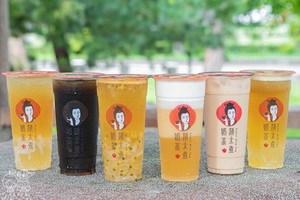
Milk tea product inspection report: No sugar, sugar content, caffeine exceeding standards. The industry urgently needs to strengthen "factory inspection" and "certification" control.
Recently, the Shanghai Consumer Rights Protection Commission conducted a comparative inspection on 27 tea shops and 51 samples of freshly-made beverages (milk teas). The results were shocking: 20 of the samples claimed to be "sugar-free" but were actually found to contain sugar, and the sugar content far exceeded the standard for pre-packaged sugar-free beverages; some milk teas had caffeine levels equivalent to 4 cups of medium-sized American-style coffee or 8 cans of Red Bull; and the fat and trans fatty acid contents also seriously exceeded the standards. This inspection-style test revealed the quality chaos in the milk tea industry and highlighted the urgency of strengthening factory inspection, testing and certification management.
I. Sugar Content Test: "Sugar-Free" Milk Tea Does Not Live Up to Its Name
Among the 27 regular sweetened milk teas, the sugar content ranged from 11 grams to 62 grams per cup, with an average of 34 grams. The "People in Tea" brand silk tea milk tea had a sugar content of up to 62 grams, equivalent to 14 sugar cubes, far exceeding the daily recommended 25 grams per person as per the "Chinese Residents' Dietary Guidelines". All 20 samples that claimed to be "sugar-free" were found to contain sugar, with an average sugar content of 2.4 grams per 100 milliliters, with the lowest being 1.2 grams per 100 milliliters. According to the national standard for pre-packaged beverages "GB28050-2011", the sugar content of sugar-free beverages should be ≤ 0.5 grams per 100 milliliters. None of the 20 samples met this standard.
Inspection Notice: When enterprises purchase raw materials and produce beverages, they should establish strict inspection procedures. Products claiming to be "sugar-free" must undergo third-party certification testing to ensure the authenticity of the labels. At the same time, regulatory authorities should promote the inclusion of freshly-made milk tea in the certification system and clearly define the sugar-free standards.
II. Fat and Trans Fatty Acid Test: Milk Foam Tea Becomes a "Calorie Bomb"
Tests revealed that the average fat content of milk-based tea with milk foam was 6.3g per 100mL, with the highest serving providing 41 grams of fat, which exceeded two-thirds of the recommended daily intake for adults. The trans fatty acid content in four samples exceeded the recommended limit of 2 grams per day, with the highest reaching 6.2 grams per cup. Moreover, these samples had low protein content, indicating questionable quality of the raw materials.
Factory Inspection Guidance: Tea milk brand companies should strengthen the factory inspection of suppliers, verify the quality certification certificates of raw materials such as milk sources and vegetable shortening (such as ISO, HACCP), and conduct regular inspections of finished products to ensure compliance with indicators such as trans fatty acids.
III. Caffeine Test: Excessive Content, Lack of Warning
The average caffeine content of the 51 samples was 270mg/L. The highest was "Le Tang Kou" sugar-free handcrafted tea, which was 428mg per cup, equivalent to 4 cups of American-style coffee. However, only 1 out of 27 stores indicated that "elderly, children, and pregnant women should not consume it." Excessive caffeine intake may pose risks to specific groups.
Certification suggestion: The industry should establish a testing standard for caffeine content in freshly-made milk tea, and mandatory labeling of the certified caffeine level and warning statements should be included on product labels or order pages. Enterprises should ensure through factory inspections that processing techniques (such as high-temperature boiling of ground tea powder) do not lead to excessive caffeine leaching.
IV. Consumer Rights and Industry Rectification
The consumer protection committee pointed out that merchants failed to indicate the nutritional components, infringing upon consumers' right to know. Suggestions:
The merchants strictly inspect the raw materials and conduct regular tests, keeping the test reports.
Display the certified data such as sugar, fat, caffeine, etc. of the products at the prominent position of the store or on the ordering system.
Warnings for special groups should be included as a mandatory clause in the factory inspection process.
Summary: This "inspection" of milk tea has shown that the instant tea beverage industry urgently needs to establish unified quality inspection standards and promote supplier factory inspections and product certification systems. Only through full-chain quality control can the term "no sugar" truly mean what it implies, allowing consumers to understand and enjoy it healthily.
分享这个商品
Milk tea product inspection report: No sugar, sugar content, caffeine
Milk tea product inspection report: No sugar, sugar content, caffeine exceeding standards. The industry urgently needs to strengthen "factory inspection" and "certification" control.