
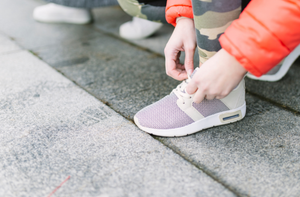
Sport shoes inspection | Methods and procedures for quality control of sport shoes
Title: Comprehensive Guide to Quality Control of Sports Shoes: A Practical Handbook from Inspection Standards to Certification Testing
Sports shoes have long transcended the realm of mere sports equipment and have become a significant cultural force - they are a perfect combination of fashion, culture and performance. However, for brands, manufacturers and importers, the pressure to ensure the flawless quality of their products is immense. A minor mistake - a loose seam, poor quality materials - could jeopardize years of effort and damage the brand's reputation, leading to costly recalls, customer dissatisfaction, and long-term harm to the brand image.
In this guide, we will provide a comprehensive overview of all the knowledge related to the quality control of sports shoes. From common defects to key inspection procedures, from international inspection standards to factory audit points, we will offer you all the necessary information to ensure that your sports shoe brand meets high standards in terms of performance and customer satisfaction.
I. What is the quality control of sports shoes?
The quality control of sports shoes is a process that ensures each pair of sports shoes meets the design, performance and safety requirements before reaching the consumers. It involves a series of inspections and tests throughout the entire production process, from material selection to the final product.
The goal of footwear inspection is to detect any defects as early as possible, such as loose stitching, poor material quality, inconsistent sizes, or failure of the adhesive between the sole and the upper. It also ensures that sports shoes operate as expected, providing comfort, support, and durability for purposes such as running, basketball, or daily wear. Professional third-party inspection agencies provide independent and objective quality assessments for brand owners through systematic inspection processes.
In 2025, the international standard "ISO 20537:2025 Footwear – Identification of defects during visual inspection – Vocabulary" led by Anta Group as the primary drafting unit was officially released. This is the first international standard formulated by China in the field of shoe terminology. By establishing a unified method for evaluating the appearance quality of shoe products globally, it provides standardized terms for defect identification during the inspection process, effectively solving the problem of inaccurate judgment caused by differences in professional expertise among inspectors.
II. Common Quality Defects Found in Sports Shoes Quality Control
In the production of sports shoes, quality control is crucial for identifying defects that may affect the performance and durability of the final product. The following are some common quality defects that inspectors often find during the quality inspection of sports shoes:
Poor adhesion: One of the most common problems is the failure of the glue between the sole and the upper of the shoe. Poor adhesion can lead to premature separation, affecting the durability and overall appearance of the sports shoes. According to the national standard GB/T 15107-2013 "Tourist Shoes", the peel strength of the upper and sole should be ≥ 70N/cm.
Material defects: From inconsistent stitching to poor-quality leather or mesh fabric, material flaws can significantly affect the integrity of the shoes. These defects may cause discomfort, shorten the lifespan of the shoes and reduce their aesthetic appeal.
Asymmetry: During the production process, problems such as mismatch between the left and right shoes often occur. Inspectors often find uneven stitching, differences in cutting, or mismatch in the design of the left and right shoes, which affect comfort and visual appeal.
Size inconsistency: Another common issue is the size discrepancy between items of the same batch or different pairs of shoes. Such inconsistency can lead to an uncomfortable fit and cause customer dissatisfaction.
Foreign matter residue: Occasionally, small fragments or contaminants may remain inside the shoes during the production process. These foreign substances may cause discomfort, and if not identified and removed during the inspection process, they may pose safety risks.
By identifying these defects through professional inspection services during the early stages of production, manufacturers can address the issues before the shoes reach consumers. This helps ensure the high quality of the products and reduces the risk of returns or damage to the brand's reputation.
III. Key Elements of Sports Shoe Inspection: Professional Third-Party Inspection Methodology
Professional third-party inspection agencies employ a multi-level approach to control the quality of footwear, ensuring that every detail is meticulously examined. The following are the breakdown steps of the standard inspection process:
Visual inspection: Well-trained quality inspectors possess a keen ability to observe details. They will check the uniformity and strength of the stitches, verify the symmetry of the left and right shoes, and identify any flaws in the materials or final processing. According to the newly released ISO 20537 standard, appearance quality is one of the three major quality indicators for footwear products. The standard collects common recognized shoe appearance defects worldwide and provides distinctive photos as important references for inspection.
Size inspection: Use specialized measuring tools to verify whether each pair of shoes meets the precise size specifications. This ensures the consistency of all pairs of shoes within the same production batch.
Durability inspection: Not only does it rely on visual inspection, but also conducts a series of durability tests that simulate real wear to evaluate the fatigue degree and scratch resistance of the material. In the 2025 sports shoes quality supervision and inspection implementation rules issued by Qingdao Jiemu District, key inspection items such as folding performance, outsole wear resistance, and peel strength are clearly listed.
Performance inspection: For performance-oriented sports shoes, in addition to the basic structural inspection, use specialized equipment to test the specific functions of the footwear, such as the grip force tester for running shoes and the impact absorption tester for basketball shoes.
Material Inspection: We are well aware that the quality of materials directly affects the performance and lifespan of sports shoes. We collaborate with the laboratory to conduct in-depth material analysis, evaluating indicators such as strength, breathability, and moisture-wicking ability, to ensure that the selected materials meet the design functions of the shoes. At the same time, we conduct chemical compliance tests to ensure compliance with REACH regulations and GB 30585 standards.
IV. Main Product Types for Sports Shoes Inspection
Not all sports shoes are the same. Professional inspectors have received training to handle various types of shoes, including but not limited to:
Sneakers: Running shoes, basketball shoes and training shoes must undergo rigorous tests for durability, support and grip. Physical performance tests include wear resistance (using the rotational abrasion method, GB/T 3903.2) and bending resistance (performed with 50,000 repetitions of back-and-forth bending in accordance with ISO 17707 standard).
Casual shoes: For daily sports shoes, the quality of materials, the integrity of stitching, and overall comfort should be checked. According to the standard QB/T 2955-2017 "Casual Shoes", tests such as tensile strength and outsole wear resistance should be conducted.
Luxurious sports shoes: High-end sports shoes demand an extreme attention to detail. The key points for inspection include high-quality materials, flawless structure, and brand consistency.
V. The Complete Process of Quality Control for Sports Shoes
From the raw materials to the sports shoes on your feet, this journey requires strict attention to quality. Professional third-party inspection agencies ensure that every pair of sports shoes undergoes a comprehensive and rigorous quality control process, guaranteeing that the final product meets the highest standards in terms of performance and appearance.
The following is the step-by-step breakdown of the inspection process:
5.1 Pre-production Inspection of Sports Shoes
The quality control process begins even before the production starts. The inspectors will carefully examine the raw materials - whether it is fabric, synthetic leather, adhesive, or rubber soles - to ensure they meet the quality standards. The purpose of this stage is to prevent any problems from arising later in the production process. Not only are visual inspections relied upon, but also each material sample is tested in professional laboratories for strength, breathability, and chemical compliance. This proactive testing ensures that only the highest quality materials enter the production line, thereby reducing the risk of defects in the final product.
5.2 Quality Inspection in Sneaker Production
During the assembly process of sneakers, quality control does not cease; instead, it intensifies. Quality inspectors are stationed at key nodes of the production process to monitor the quality at each stage. For instance, stitching is meticulously inspected to ensure that each stitch is firm and neat. Any inconsistency in stitching could weaken the structure of the shoes or cause discomfort during wear.
The inspectors will also verify whether the sole and the upper part of the shoes are properly bonded, ensuring that there are no bonding issues that could cause the shoes to come apart. For international brands such as Nike, their inspection system clearly requires daily DI (daily inspection) to be conducted on a processing line basis, and has established strict sampling inspection standards and the allowable number of defective products.
In addition, the size and label of each pair of shoes will be double-checked to ensure they meet the specifications and to prevent errors during the distribution process.
5.3 Inspection of Sports Shoes Before Dispatch
Before the sports shoes leave the factory, they undergo a final detailed inspection. This step involves evaluating the finished products from various angles. The inspectors will assess the overall appearance, looking for scratches, uneven coloration, loose threads, and other flaws. The symmetry of the left and right shoes will also be carefully checked to ensure that the shapes and sizes are exactly the same. Additionally, the inspectors confirm that the final size of the shoes fully complies with the specifications, ensuring that all products meet the necessary standards before leaving the factory.
5.4 Additional Special Tests
Depending on the type of the sports shoes, professional inspection services will conduct special performance tests to verify whether the functions of each pair of shoes meet the expectations. For example:
Test of grip and traction of running shoes: Running shoes need excellent grip to prevent slipping, especially on wet or uneven surfaces. Through a simulation of real conditions, the testing method ensures that the sole provides sufficient traction to guarantee the safety and stability of the runner. According to the ISO 13287 standard, the wet friction coefficient should be ≥ 0.4.
Impact absorption test for basketball shoes: For basketball shoes, the ability to absorb impact is of utmost importance. The test measures the cushioning effect of the shoes on the foot during each jump, ensuring protection for the athlete's knees and joints. The energy feedback rate is determined using an impact testing machine, with a requirement of ≥ 60%.
Testing of the flexibility and support of training shoes: Training shoes need to strike a balance between flexibility and support to accommodate various movements. The flexibility of key parts of the shoes should be tested to ensure they provide sufficient support during exercises such as squats or lateral movements.
5.5 Document Records and Reports
Transparency is crucial for maintaining high-quality standards, so every step of the quality control process is meticulously documented. This includes detailed reports outlining the inspection process and highlighting any defects found. All issues are photographed and corrective action plans are formulated to address the problems before mass production continues. These documents establish a reliable audit trail, helping manufacturers track quality issues trends and continuously improve the process.
Through this rigorous inspection process, we ensure that each pair of sports shoes meets the expectations for both performance and appearance. From the initial inspection of raw materials to the final pre-shipment inspection, we strive to deliver products that not only have an outstanding appearance but also perform at their best - protecting the brand reputation and ensuring customer satisfaction.
VI. Core Items and Methods of Sports Shoe Quality Inspection
According to the latest industry standards and testing practices, sports shoe quality inspection covers three main aspects: physical properties, chemical safety, and functional characteristics.
6.1 Physical Performance Testing
Wear resistance: The loss of the outsole material is measured through a rotational abrasion test. According to the GB/T 3903.2 standard, the rotational abrasion method is used, and the grade is determined by the length of the abrasion marks. The qualified standard is that the wear volume is ≤ 250mm³.
Bending resistance performance: According to the ISO 17707 standard, the sole was subjected to 50,000 repeated bending cycles. The crack expansion situation was observed, and it was required that the crack length of the upper should be ≤ 5mm.
Peel strength: According to the GB/T 3903.3 standard, a tensile testing machine is used to vertically stretch the sole of the shoe and the upper surface to test the adhesion strength, ensuring that the glue does not come off during exercise.
Upper pull-out strength: Tested in accordance with QB/T 2955-2017 standard to evaluate the firmness of the connection between the upper and the sole.
6.2 Chemical Safety Testing
Hazardous substance screening: Using the GC-MS combined technology, we detect substances such as phthalates and polycyclic aromatic hydrocarbons that are restricted by the REACH regulations, ensuring compliance with the EU environmental protection requirements.
Heavy metal content: Using ICP-MS for trace analysis of 8 harmful metal elements such as lead, cadmium, and mercury, children's sports shoes must comply with the EN 71-3 toy safety standard, and the content should be ≤ 90mg/kg.
Formaldehyde emission: Quantitative analysis of free formaldehyde was conducted in accordance with the GB/T 2912.1 standard. The formaldehyde content was required to be ≤ 20mg/kg.
Azo dyes: Detect 23 types of prohibited aromatic amines, in accordance with the GB/T 17592 standard.
6.3 Functional Verification
Anti-slip Performance: The inclined platform method is used to measure the friction coefficient of wet/dry surfaces, meeting the ASTM F2913 standard. The SATRA TM144 anti-slip test employs a 30° inclined plane for the determination of dynamic friction coefficient.
Shock absorption performance: The energy feedback rate is measured using an impact testing machine. The drop hammer impact testing machine simulates the impact when a person lands, and the energy absorption rate is calculated.
Air permeability: The water vapor permeability is measured according to the JIS L1099 humidity cup method. The net surface material must reach more than 50g/m²·h.
Temperature adaptability: -20℃ to 50℃ environmental simulation test to evaluate the stability of the material under extreme temperatures.
VII. International Quality Standards and Certification Requirements
Although both the United States and Europe attach great importance to footwear safety, their approaches are slightly different:
The US market:
The Consumer Product Safety Improvement Act (CPSIA) restricts the use of harmful chemical substances in footwear.
Specific footwear such as work boots must comply with the standards of the American Society for Testing and Materials (ASTM), such as the F2412 standard for protective functions.
Testing and certification conducted by a third-party laboratory recognized by CPSC
European Market:
The General Product Safety Directive (GPSD) ensures that all footwear sold in the European Union is a safe product.
Manufacturers can achieve compliance by following harmonized standards (such as the EN ISO 20345 standard for safety footwear), and pay attention to features such as slip resistance and impact resistance.
The EU requires the labeling of material components of footwear in accordance with Directive 94/11/EC.
The REACH regulation governs the production and use of chemical substances, ensuring the safe management of materials.
For brands that aim to enter the international market, obtaining test reports and certification certificates that meet the requirements of the target market from authoritative inspection and certification institutions is a crucial step in overcoming trade barriers. The international standard released in 2025, "ISO/TS 23889:2025 Footwear - Performance requirements for components for footwear - Heels and top pieces", further standardizes the performance requirements for footwear components.
VIII. Factory Audit: Supplier Quality Capability Assessment
For the brand owner, in addition to inspecting the products, it is equally important to conduct factory audits on the suppliers. The factory audit is a on-site assessment of the factory's production capacity, quality management system, social responsibility, and other aspects.
Take Nike as an example. In its factory inspection system, the quality requirements (MQA) expect the cooperating factories to focus on the control of production processes and the appearance of finished products, ensuring that each pair of shoes meets or exceeds the consumer quality standards. The inspection content includes:
Preparation of inspection tools (including instructions, sample shoes, AQL reports, etc.)
The environmental requirements for the inspection area (lighting, space, cleanliness)
The strict procedures of daily inspection (DI)
Sampling standards and the allowable number of defective products
Through professional third-party factory inspection services, the brand can comprehensively assess the quality assurance capabilities of the suppliers, thereby reducing quality risks at the source.
IX. Conclusion: Select a professional third-party inspection partner
The quality control of sports shoes is a systematic project, involving the entire process monitoring from raw materials to finished products, comprehensive testing of physical properties and chemical safety, and compliance with both Chinese standards and international regulations. Even a minor quality oversight can escalate into a crisis for the brand's reputation.
Professional third-party inspection, factory audit, testing and certification institutions, with a global service network, a well-trained inspection team, advanced testing equipment and profound industry expertise, can provide independent and objective quality assessment services throughout the entire production process. From pre-production inspection to in-production monitoring, from pre-shipping inspection to specialized performance testing, from supplier factory audit to international certification consultation, comprehensive quality control services help brand owners ensure that every pair of sports shoes is flawless when it reaches the hands of consumers.
If you are looking for a professional and reliable solution for quality control of footwear, please contact a professional third-party quality service provider to obtain a one-stop service ranging from inspection of goods to factory inspection, from testing to certification, to safeguard your sports shoe brand.
分享这个商品
Sport shoes inspection | Methods and procedures for quality control of
Sport shoes inspection | Methods and procedures for quality control of sport shoes