

Summary of Key International Trade Regulatory Updates Effective April 2024
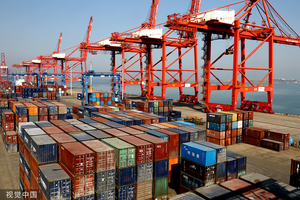
Several significant trade regulations and policies came into effect in April 2024 across major global markets, impacting import/export procedures, product compliance, and market access. Businesses must adapt their supply chain management and quality control processes to ensure compliance.
The following table highlights updates with direct implications for product inspection, testing, and certification requirements.
| Region/Country | Key Regulatory Update (Effective) | Primary Impact & Relevance to Quality Assurance |
|---|---|---|
| China | Adjusted customs declaration requirements for import/export goods (Apr 10). | Streamlines declaration process; ensures shipping documents and inspection paperwork align with new field requirements to avoid clearance delays. |
| China | Implementation of "Measures for the Recordation of Aquaculture Farms as Raw Material Sources for Exported Aquatic Products" (Apr 15). | Enhances traceability for export seafood; supplier audits of aquaculture farms become critical for compliance. |
| EU | Registration of imported Chinese electric vehicles began (Mar 5). | Precedes potential tariffs; underscores the importance of full technical documentation and certification (e.g., WVTA) for regulated products. |
| EU | Ban on specific plastic packaging items from 2030 (Agreement Reached). | Drives long-term packaging material changes; pre-shipment inspections must verify use of approved alternative packaging materials. |
| France | Parliament passed a bill to combat "fast fashion" (Mar 14). | Will impose environmental penalties; increases need for supplier social/environmental audits and material testing for textiles to prove sustainability claims. |
| Iraq | Mandatory local quality certification mark for imported products (Effective Jul 1). | Critical: Exporters must obtain the Iraqi quality mark through specified procedures. Third-party product testing and factory audits are prerequisite steps for certification. |
| South Korea | Strengthened crackdown on violations by cross-border e-commerce platforms (Policy Announced). | Platforms will face stricter oversight. Sellers must ensure product safety testing, accurate labeling, and intellectual property compliance to avoid delisting. |
| Sri Lanka | Approved new Import and Export Control (Standardization and Quality Control) Regulations (Approved). | Mandates standards for 122 categories of imports. Pre-shipment inspection and obtaining certificates of conformity against Sri Lankan standards will be essential. |
| Australia | Removal of import tariffs on ~500 items (Effective Jul 1). | May increase import competition. Robust incoming quality inspection (IQC) and supplier quality audits remain vital to maintain product standards. |
| Argentina | Lifted import restrictions on essential goods & shortened payment terms (Announced). | Simplifies import logistics but does not remove product compliance obligations. Customs inspection readiness is key. |
| United States | Revised export controls on semiconductors to China (Effective Apr 4). | Affects high-tech supply chains; companies must conduct strict due diligence and export control compliance checks. |
| Zimbabwe | Reduced penalty for imports without pre-shipment inspection from 15% to 12% (Effective Mar). | While lowering fines, the regulation still mandates pre-shipment verification for controlled products. Using accredited third-party inspection services is necessary to avoid penalties. |
Detailed Analysis of Select High-Impact Regulations
-
Iraq's Quality Mark Mandate (Effective July 1, 2024)
This is a pivotal change for exporters. The requirement for a local quality certification mark means products cannot clear customs without it. The certification process typically involves:-
Submitting samples to an accredited lab for testing against Iraqi standards.
-
A factory audit to assess production capability and quality management systems.
-
Issuance of the mark upon successful verification. Proactive engagement with certification bodies is crucial to meet the deadline.
-
-
Sri Lanka's New Import Control Regulations
The broad scope covering 217 HS codes indicates a significant shift towards stricter market surveillance. Exporters should:-
Identify the applicable Sri Lankan Standard (SLS) for their products.
-
Arrange for product testing in an accredited laboratory to obtain a Test Report.
-
Be prepared for customs inspection that verifies the Certificate of Conformity (CoC).
-
-
France's "Fast Fashion" Law & EU Plastic Packaging Ban
These reflect the growing ESG (Environmental, Social, and Governance) compliance demands in Europe. Companies must:-
Conduct supplier audits focusing on environmental practices and social responsibility.
-
Perform material testing to verify recycled content or biodegradability claims for packaging.
-
Integrate these checks into the broader supplier quality management system.
-
Strategic Recommendations for Businesses
-
Conduct a Regulatory Risk Assessment: Map your export destinations and product lines against these new rules to identify urgent compliance gaps.
-
Engage Accredinated Partners: Work with internationally recognized third-party inspection, testing, and certification bodies that have expertise in the target markets (e.g., Iraq, Sri Lanka, EU).
-
Update Supplier Contracts and QC Checklists: Ensure purchase orders and inspection checklists (for DPI, FRI) explicitly reference new certification, labeling, or material requirements.
-
Proactive Communication: Inform your suppliers and factories about these changes well in advance to allow time for necessary adjustments, audits, and certification processes.
Staying ahead of these regulatory shifts by integrating rigorous verification and compliance checks into your supply chain is essential for maintaining seamless market access and mitigating risks of shipment rejection, penalties, or reputational damage.
分享这个商品
Summary of Key International Trade Regulatory Updates Effective April
Several significant trade regulations and policies came into effect in April 2024 across major global markets, impacting import/export procedures