

The inspection methods, procedures and precautions for mining giant excavators
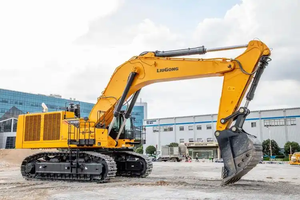
Mining giant excavators (typically referring to large electric excavators with a bucket capacity of over 20 cubic meters and a working weight exceeding 500 tons, or super-large hydraulic excavators) are the "flagship" equipment for the extraction of minerals such as open-pit coal mines, iron mines, and copper mines. They are constantly operating in extreme working environments such as heavy loads, dusty conditions, high vibrations, and large temperature differences. The annual production capacity of a single unit can reach tens of millions of tons. In case of structural component fractures, wire rope breakage, slewing bearings failure, or electrical system malfunctions, not only will it cause the suspension of production capacity of several million tons, but it may also lead to catastrophic accidents resulting in the destruction of the machinery and the loss of human lives. During scenarios such as new machine delivery, second-hand equipment circulation, major overhaul factory acceptance, and annual asset assessment, a comprehensive and systematic inspection covering the mainframe structure, wire rope bucket system, high-power electric drive/hydraulic system, walking and steering mechanisms, and multiple safety protection devices is a core barrier for ensuring the continuous safety production in the mining industry and accurately assessing the value of assets worth billions.
I. Overview of Inspection Methods
Based on the power source type of the mine giant excavator (electric drive/diesel generator drive/diesel hydraulic drive), the working device type (steel wire rope bucket type/positive cutter hydraulic type), the traveling mechanism (track type), and the specific requirements of the client, the inspection usually employs the following methods in combination:
Static comprehensive inspection: The equipment is left to stand still. Various components such as the lower frame, rotation platform, A-type frame/hoist arm, bucket/dump bucket, wire rope system, crawler travel assembly, power/hydraulic power system, and driver's cab are inspected item by item, measured with precision measuring tools, and subjected to non-destructive testing.
Dynamic performance test: In the mining operation area or dedicated test field, perform a complete set of actions such as lifting, pushing, rotating, and moving, to verify the smoothness, speed, braking efficiency, and coordination of combined actions of each mechanism.
Load and overload tests: Using standard rock and mineral samples or calibrated giant weights, the rated excavation capacity, structural stiffness and stability of the equipment are verified in the full-bucket state, and the trigger thresholds of various safety protection functions are tested.
Special system deep inspection: Conduct special functional and insulation performance tests on high-voltage power supply systems, transformers/rectifiers, main drive motors/generators, hydraulic main pumps/main valves, centralized lubrication systems, and automatic fire extinguishing systems, etc.
Document and label traceability: Verify the consistency and validity of the main label of the entire machine, the steel stamping numbers of key structural components, the serial numbers of motors/pumps/winch/steel wires and other critical components, special equipment inspection reports, and major overhaul records.
The third-party inspection consists of a complete package including "static full inspection + dynamic performance testing + specialized system inspection + load test + in-depth review of documents". Any simplification of any step must be carried out after a written risk assessment.
II. Inspection Process
1. Data Collection and Preparation for Inspection
The client provides a list of the mine heavy-duty excavators to be inspected, clearly specifying the manufacturer, model, bucket volume, working weight, power type (AC/DC/diesel), factory serial number, manufacturing year, overhaul history, applicable standards (such as GB/T 37400, IEC 60204, mine self-use standards, etc.). The inspector prepares: laser rangefinder, ultrasonic thickness gauge, magnetic particle/penetrant inspection equipment, wire rope diameter gauge/inspector, infrared thermal imager, high-voltage insulation resistance tester, hydraulic pressure gauge set, vibration analyzer, intercom system, calibrated giant weights or mine rock weighing device, etc.
2. Confirmation of Venue and Safety Conditions
The inspection should be conducted in the mine maintenance workshop's trench, the flat area of the spoil dump, or a dedicated test platform. The foundation must be solid and capable of bearing the pressure required for fully loaded equipment parking and operation. The radius of the test area should be no less than twice the maximum working radius of the equipment. All personnel must evacuate to outside the safety warning line. The inspectors must wear mine-specific safety helmets (with lights), reflective vests, anti-shock shoes, and high-voltage insulating gloves (for electrical inspections). Before inspecting under the vehicle or the bucket, it is necessary to confirm that the equipment has been powered off, all moving parts have been locked or are reliably mechanically supported.
3. Identity and Label Verification
Machine nameplate: Verify the manufacturer, model, factory serial number, manufacturing date, bucket capacity, working weight, total power, etc.
Identification of main structural components: The lower frame, slewing platform, boom, bucket arm, bucket, etc. should all have a unique traceable steel stamp number, which should be compared with the factory documents and major repair records.
Key assembly nameplates/serial numbers: The nameplate information of the lifting motor/hoist, pushing and pressing motor/structure, rotating motor/reducer, traveling motor/reducer, main transformer, hydraulic main pump (hydraulic shovel), etc. are recorded and compared one by one.
Steel wire rope documents: Manufacturer, model, diameter, breaking tension, date of manufacture and records of previous replacements for lifting wire rope, pushing-down wire rope, and wire rope for the boom suspension. Any missing nameplates, mismatched serial numbers, or unknown sources must be immediately upgraded to a serious non-conformity item.
4. Inspection of the lower frame and traveling system - the "feet" of the mining behemoth
Frame inspection: Use a strong flashlight to conduct a section-by-section inspection of the frame's longitudinal beams, transverse beams, and welding joints. Key areas: the base ring of the slewing bearing, the installation seat of the traveling reducer, the connection ear seat of the crawler frame, and the fixed seat of the tensioning device. Any suspected cracks must be confirmed by PT/MT testing.
Track assembly: The pitch of the chain links is measured in multiple sections using a caliper, and the average pitch is calculated. It is compared with the wear limit value (usually the elongation is ≤ 2.5%). The tooth surface of the driving wheel - normally polished and presenting a smooth curved surface. Broken teeth, peeling, or sharpening of the tooth tips must be recorded. The guide wheel and tensioning device - there is no leakage from the grease cylinder, and the tensioning stroke margin is sufficient. The supporting wheel and the supporting chain wheel - check for any jamming, uneven wear, floating oil seal leakage when rotating each wheel.
Walking reducer: The housing shows no leakage, and the oil level and quality are checked. The wiring box or pipeline of the walking motor (electric drive type) or walking motor (hydraulic type) is in good condition, and the fixing bolts are tightened.
5. Inspection of the rotating platform and rotating system - The core of load-bearing and rotation
Rotary platform: Comprehensive inspection of welds on the main structural steel plates and stiffeners. Key points to focus on: the root support of the lifting arm, the support of the A-type frame/pedestrian frame, the base of the lifting winch, the base of the pushing and pressing mechanism, and the area where the counterweight is suspended. Any re-welding must have a traceable repair record.
Swivel support: The connecting bolts at the top and bottom are inspected for torque values. An infrared thermal imager is used to check if the temperature distribution after operation is uniform. The tooth surface of the gear ring has no broken teeth or severe pitting. The sealing belt is intact, and the lubricating grease shows no leakage. During the operation, periodic abnormal sounds are listened for - this is a direct signal of damage to the raceway or rolling elements.
Rotary drive: Synchronization check of multiple rotary motors/减速 machines. Brake function - no inertial slip after rotary stop. For electric drive type, check the wear of carbon brushes and contact surface of collector rings/sleeve rings.
6. Inspection of the working device structure - Boom, Dipper Arm and Bucket
Lifting arm: Box-shaped or truss structure. Strong light is used for close inspection of all gusset bars and web bars, especially the installation area of the arm head pulley group and the connecting ear plate at the arm root. An ultrasonic thickness gauge is used to randomly test the thickness of the key steel plates, checking for internal corrosion and thinning.
Boom: Tubular or square tube structure. Check the welds at the push-down ear seat and the connection point of the lifting wire rope. Measure the gap between the boom and the guide shoe/mesh plate of the boom arm using a feeler gauge.
Bucket: The bottom plate, side plates, and bucket lip are measured using an ultrasonic thickness gauge with grid-point measurement to record the thinnest point thickness. Wear of bucket teeth/die seats - statistics on broken or missing bucket teeth, presence or absence of cracks in die seats. Non-destructive testing of the suspension steel wire rope or connecting pin shaft of the bucket.
7. Inspection of Steel Wire Ropes and Pulley System - Lifeline
The steel wire ropes of large excavators usually have diameters of several tens of millimeters and lengths of several hundred meters. They serve as the final line of defense for ensuring safety.
Wire rope diameter and broken wires: Measure the entire length at multiple points using a dedicated gauge. If the diameter reduction is ≥ 7% of the nominal diameter, the wire rope must be scrapped. Use a wire rope flaw detector or conduct manual section-by-section inspection of broken wires. If the number of broken wires in one lay length reaches the scrapping standard, it is judged as不合格 (unqualified). Check for rust, rope core extrusion, knots, wavy shapes, etc.
End fixation: The alloy casting quality of the wedge joint is good, and there are no cracks in the wedge sleeve. The number, spacing and direction of the rope clips comply with the standards.
Pulley system: The rope grooves of the pulleys at the arm head and the lifting equipment pulley are measured using a caliper or a template. The bearings rotate flexibly and the anti-detachment rope guard is in good condition.
8. Inspection of lifting and pressing mechanisms
Inspection of lifting winch: Random inspection of bolt torque for the winch base. Measurement of wear on the rope groove of the drum and thickness measurement of the drum wall. The lifting motor/减速器 operates without abnormal noise. The brake (disc type/strip type) opens and closes sensitively. Check the remaining wear of the friction plates.
Pushing mechanism: Gear rack type or wire rope type. Gear rack - wear on the tooth surface, measurement of side clearance. The pushing motor/减速器 is in normal condition, and the braking is effective.
9. Inspection of Power and Electrical Systems (Electric Excavator)
High-voltage power supply: The cable reel/slip line frame is in good condition, the cable insulation layer is undamaged, and the high-voltage junction box is sealed properly. Use a high-voltage insulation resistance tester to measure the insulation resistance value of the main circuit, which must comply with the standards.
Transformer/Rectifier: The insulation condition of the dry-type transformer shows no signs of overheating. The rectifier cabinet/frequency converter cabinet is clean inside. The power modules are undamaged, the cooling fans are operating normally, and there are no fault codes.
Main drive motor: Insulation resistance of each motor for lifting, pushing, rotating, and walking is normal. The junction box is intact. There is no abnormal noise during operation. The condition of the carbon brushes and the collector rings/synchronizing rings is checked.
Grounding protection: The equipotential grounding connection lines of the entire machine and the grounding resistance comply with the specifications.
10. Hydraulic System Inspection (Hydraulic Excavator)
Hydraulic oil tank: Level, respirator, color and cleanliness of the oil. If possible, send it to the laboratory for analysis.
Main pump/ main valve: The housing shows no leakage, and there is no abnormal noise during operation. The high-pressure pipelines and joints show no aging or oil leakage. The chromium coating on the piston rods of the hydraulic cylinders (arm, bucket arm, and bucket) is undamaged, and the seals show no leakage.
Cooling system: The hydraulic oil radiator is clean, and the temperature control fan is functioning properly.
11. Inspection of centralized lubrication, fire protection and safety systems
Centralized lubrication: The grease pump is operating normally, all distributors are functioning, and fresh grease is overflowing from all lubrication points (pin shafts, bushings, bearing housings).
Automatic fire extinguishing system: The pressure of the fire extinguishing bottles is within the green zone, the sprinkler heads are not clogged, and the temperature-sensing trigger element/manual trigger button functions are online.
Safety devices: Function tests for limit switches (upper/lower limit of lifting, pushing limit, rotation limit). Overload protection - Verify the effectiveness of torque limit or overcurrent protection during load tests. Emergency stop button - Pressing anywhere in the cab and the body will cut off the main power supply. Walking alarm, horn, all-round camera functions.
12. Dynamic performance and load test
No-load test run
The smoothness of each mechanism (lifting, pushing, rotating, walking) under full-speed and micro-motion modes, as well as the coordination of combined actions. Vibration monitoring of the entire machine - using a vibration analyzer to detect the positions of the bearings of each motor/减速机.
Rated load test
The hopper is loaded with the rated load of minerals, rocks or weights. It performs a combination of lifting, rotation and pushing actions to verify the reliability of the braking system, ensure that there is no abnormal deformation in the structure, and confirm that the motor current/hydraulic pressure is within the rated range.
Overload test (as required)
Usually, a dynamic load test is conducted at 1.1 times the rated load, with strict monitoring of structural deformation and current/pressure spikes. After unloading, a comprehensive re-inspection is carried out on the boom, bucket, bucket arm, wire rope, etc.
13. Comprehensive re-inspection after the test
After the load test, the following must be carried out: re-inspection of key welds of the boom/dump arm, non-destructive testing of the steel wire ropes, re-inspection of the swivel support bolts, inspection of the electrical connections for tightness, and re-inspection of the hydraulic system pressure and leakage.
14. Report Output
Summarize all inspection data, flaw detection reports, load test curves, oil analysis reports, safety device test lists and image materials, and form the "Third-party Inspection Report for Mine Giant Excavators". The report must clearly state the basis for each non-conformity determination and suggestions. Large structural weld flaw detection photos, wire rope inspection reports, and insulation test data are included as core attachments.
III. Important Notes
Safety Inspection of the Steel Beast - Absolute Red Line
The giant excavator is extremely large in size. The movement range of any components (such as the bucket, the boom, and the rotating platform) is a no-go zone. Throughout the inspection process, a safety isolation zone must be delineated and strictly enforced. Communication and command must not be interrupted.
When inspecting below the bucket, inside the boom, or near the slewing bearing, rigid supports or safety locking devices must be used. It is strictly prohibited to rely solely on the hydraulic system or motor brake for support.
Inspection of high-voltage electrical areas (6kV/10kV voltage levels) requires power disconnection, voltage testing, discharge, and the installation of grounding wires. This operation must be carried out by certified electricians who will also supervise the process.
Structural component cracks - a fatal defect worth millions of dollars
The lifting arm, bucket arm and rotating platform of the mine-use giant excavator are made of ultra-large thick plate welded structures. They are constantly subjected to alternating loads and impacts, and weld cracks are the highest risk factor. The inspection must be carried out as follows:
All first-level welds (the critical welds subjected to force) are subject to 100% inspection using MT or PT, with particular attention paid to the heat-affected zones and arc crater positions of the welds.
The repair area must have complete records of preheating/postheating, material matching, and post-weld inspection. Each of these steps is indispensable. Without any of these records, the repair is equivalent to a serious defect.
If any structural component is found to have cracks, regardless of their size, a written warning must be issued immediately, as cracks will rapidly expand during mining operations.
Wire rope management - Quantitative implementation of scrapping standards
The lifting and pushing steel wire ropes of the giant excavator are subjected to extremely high forces, and the occurrence of broken wires, wear, and fatigue breakage is developing rapidly. It is necessary to conduct full-length non-destructive testing using wire rope flaw detection instruments (such as magnetic flux leakage detection) and supplement it with manual visual inspection.
The daily lubrication condition directly affects the lifespan. For steel wire ropes that are dry and have surface rust, even if the broken wires do not exceed the standard, it should be recommended in the report to shorten the inspection cycle or replace them earlier.
High-voltage insulation - The Invisible Killer
The main circuit voltage of the electric shovel can reach up to 6kV or even 10kV. Insulation aging or moisture absorption may lead to breakdown to ground, causing equipment damage and casualties. High-voltage insulation resistance tests must be strictly carried out in accordance with the procedures. If the measured value is below the standard, it must be judged as unqualified. It is mandatory to dry or repair.
The carbon powder accumulation in the collector ring chamber is severe, which may cause electric discharge and flashover. During inspection, it is necessary to check the cleanliness of the collector ring chamber. It is recommended to use a vacuum cleaner for cleaning and measure the insulation.
Oil Products and Vibration Analysis - A Powerful Tool for Deep Diagnosis
Extract samples of gear oil, hydraulic oil, transformer oil, etc. from the lifting/rotating/walking reducer, and conduct spectral analysis and physical and chemical index tests. Abnormally elevated iron and copper elements in the gear oil can provide a warning several months in advance of gear or bearing failure.
Perform vibration spectrum analysis on key motors and reducers to detect the frequencies of early bearing defects, misalignment, or abnormal gear meshing. This is an effective measure to ensure that the tens of millions of production capacity does not experience unexpected downtime.
Photo archives - The cornerstone of evidence for the inspection of large-scale equipment
The huge excavator has an enormous structure. Photos are the only way to restore its defects. The results of weld flaw detection at each weld seam, each damaged point of the steel wire rope, each insulation test reading, the panoramic view and close-up of the instruments during each load test, all must be archived in high definition and accompanied by a scale or positioning description. It is recommended to use explosion-proof cameras and record the dynamic testing process from multiple angles throughout the process with video.
分享这个商品
The inspection methods, procedures and precautions for mining giant ex
Mining giant excavators are the "flagship" equipment for the extraction of minerals such as those from open-pit coal mines, iron mines, and copper mines.