

Used Excavator Hydraulic System Inspection: A Targeted Guide to Avoiding Costly Failures
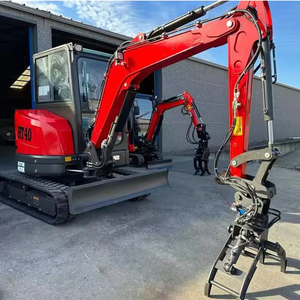
The hydraulic system is the heart of any excavator. It powers every movement – digging, lifting, swinging, and tracking. In a used excavator, hydraulic issues are among the most expensive to repair, yet they are often overlooked during a casual walk‑around. This guide focuses specifically on inspecting the hydraulic system of a second‑hand excavator, providing actionable steps to uncover hidden defects and make an informed purchase.
1. Why the Hydraulic System Matters
-
Repair costs – A new main hydraulic pump can cost 5,000–15,000; cylinder reseals range from 500to2,000 each; control valve repairs add thousands more.
-
Performance impact – Weak hydraulics reduce digging force, cycle times, and fuel efficiency.
-
Hidden deterioration – Internal wear may not show external leaks but will manifest as sluggish operation, overheating, or component failure soon after purchase.
A dedicated hydraulic inspection should be part of any used excavator verification process.
2. Pre‑Start Visual Check
Before starting the engine, perform a thorough visual examination:
a) Hoses and Fittings
-
Look for – Cracks, abrasion, bulges, or wet spots on all hydraulic hoses, especially near the boom, arm, and bucket cylinders.
-
Fittings – Check for rust, cross‑threading, or signs of past leaks (dried fluid residue).
-
Routing – Hoses should be properly secured with clamps. Loose or rubbing hoses will soon fail.
b) Cylinder Rods and Seals
-
Rod surface – Inspect each cylinder rod for scoring, pitting, chrome flaking, or bending. Even minor scoring will damage seals and cause leaks.
-
Gland seals – Look for wetness around the cylinder gland (where the rod enters the cylinder). A single drop hanging may be acceptable, but any active dripping or crusted fluid indicates seal failure.
-
Rod wipers – Check that the wiper (the outer ring) is not pushed out or damaged.
c) Hydraulic Tank and Pump
-
Tank – Inspect for dents, rust, or leaks around the filler cap, sight glass, and drain plug.
-
Pump – Look for oil seepage around the pump mounting flange, shaft seal, and pressure ports. Pools of oil underneath the pump area are a red flag.
-
Filter housing – Check for leaks and ensure the filter change sticker shows recent service.
d) Slew Ring and Swivel Joint
-
Slew ring – Grease should be present but not excessively dripping. A steady stream of fresh grease may indicate a blown seal.
-
Central swivel joint – Located under the cab, this distributes oil to the tracks. Leaks here can cause slow travel and contamination. Look for oil dripping near the centre of the undercarriage.
3. Cold Start & Warm‑Up Observation
Cold start inspection (ask the seller not to pre‑warm the machine)
-
Engine start – Start the engine and immediately listen for unusual noises from the hydraulic pump (whining, knocking, or grinding). A short whine that disappears after a few seconds is normal; persistent loud whining suggests pump cavitation or worn internal components.
-
Hydraulic oil level – Check the sight glass or dipstick (with the engine running and all cylinders retracted). Low oil level may indicate a leak or neglect.
-
Oil colour and clarity – Healthy hydraulic oil is clear amber or light brown. Dark, milky, or foamy oil indicates water contamination or excessive heat. Black oil with burnt smell suggests severe pump wear.
Warm‑up (run at low idle for 5–10 minutes)
-
Temperature rise – Use an infrared thermometer to check the hydraulic tank temperature. It should increase gradually. A rapid spike (e.g., from 20°C to 60°C in 5 minutes without heavy work) indicates a stuck relief valve or internal leakage.
-
Strange noises – As the oil warms, the pump may change tone. Any new grinding or hammering sounds are cause for concern.
4. Function Cycle Testing (Measuring Performance)
After warming up, cycle each function multiple times. Use a stopwatch and, if possible, measure cycle times.
| Function | Test method | Typical time (20‑ton class) | Suspicious if |
|---|---|---|---|
| Boom up (full) | From ground to max height | 4–6 sec | >9 sec or jerky |
| Boom down (gravity) | From max height to ground | 3–4 sec | >6 sec (slow) |
| Arm crowd (full) | From fully extended to fully retracted | 3–5 sec | >7 sec |
| Bucket curl | From dump to curl | 2–4 sec | >6 sec |
| Swing 180° | Left or right | 5–7 sec | >10 sec |
| Track drive (straight) | 20m forward and back | Smooth, equal speed | One side slower or not moving |
Important – Compare cycle times between identical functions (e.g., boom up left vs. right). If one direction is significantly slower, the control valve or cylinder has internal leakage.
Load test – If possible, perform a digging test in hard soil or lift a known heavy object (e.g., a concrete block). The engine should not stall, and the hydraulics should maintain pressure without excessive relief valve noise.
5. Cylinder Drift Test (Internal Leakage)
Cylinder drift indicates worn piston seals. Perform this test after the oil is warm:
-
Boom drift – Raise the boom to maximum height, stop the engine, and mark the cylinder rod position. After 5 minutes, measure the rod retraction. Acceptable drift: <10mm. Excessive drift (>50mm) means the boom cylinder seal is leaking.
-
Arm drift – Extend the arm fully (horizontal), stop the engine, and measure drift over 5 minutes. Similar tolerance.
-
Bucket drift – Curl the bucket fully, stop the engine, and observe. The bucket should not sag more than 10mm in 5 minutes.
-
Swing drift – Swing the upper structure 90°, stop the engine, and mark the position. After 5 minutes, measure angular drift. Acceptable: <3 degrees. Excessive drift indicates a worn swing motor or brake.
If the seller refuses to allow these tests, consider it a major warning sign.
6. Checking for Contamination & Overheating
Contamination – After the test, wipe a clean white cloth inside the hydraulic tank filler neck. Any metallic particles or black sludge indicates advanced pump or motor wear. Silver flakes suggest piston pump failure.
Overheating – Run the machine continuously for 15–20 minutes at moderate load. Measure the hydraulic tank temperature with an infrared thermometer. Normal operating range: 50–80°C (122–176°F). If the temperature exceeds 90°C (194°F) without extreme load, the cooling system is insufficient or there is excessive internal leakage.
Pressure check (advanced) – For serious buyers, use a hydraulic pressure gauge kit to measure pilot pressure, main relief pressure, and pump delivery pressure. Compare to manufacturer specifications. Low pressure confirms worn pumps or valves.
7. Common Hydraulic Defects & Their Tell‑Tale Signs
| Defect | Visible / Audible signs | Confirmation test |
|---|---|---|
| Worn main pump | Loud whining, slow cycles, black/burnt oil | Pressure/flow test, oil analysis |
| Leaking cylinder seal | External wetness, rod drift | Drift test |
| Stuck relief valve | Excessive heat, engine labouring under no load | Pressure reading (relief opening too early) |
| Contaminated oil | Milky or dark colour, burnt smell | Water test, particle analysis |
| Slew ring seal failure | Grease leaking internally into swing gear oil | Check swing gear oil for grease contamination |
| Leaking control valve spool | Function drifts or moves without command | Visual inspection during operation |
8. Hydraulic Attachments – Additional Checks
If the used excavator comes with attachments (hydraulic thumb, quick coupler, breaker piping):
-
Quick coupler – Engage and disengage several times. Listen for positive locking. Check for hydraulic leaks at the coupler cylinders.
-
Auxiliary piping – Run the attachment circuit (press the pedal or button). Oil should flow smoothly without hose jumps.
-
Breaker kit – Check the return filter and accumulator (if equipped). A missing or damaged accumulator can cause severe hammer shock to the main pump.
9. Documentation & Service History Specific to Hydraulics
Request the following records:
-
Hydraulic oil change log – Oil should be changed every 2,000–4,000 hours depending on the manufacturer. Consistent changes every 2,000 hours are ideal.
-
Filter change records – Hydraulic return and pilot filters should be changed with every oil change.
-
Oil analysis reports – Samples sent to a lab can reveal wear metals (iron, copper, chromium) that predict internal component failure.
-
Repair history – Any past cylinder reseals, pump rebuilds, or hose replacements should be documented. Multiple rebuilds on the same component indicate a recurring problem.
10. Third‑Party Hydraulic Inspection & Certification
Given the complexity of modern hydraulic systems, hiring an independent inspection specialist who focuses on hydraulics is highly recommended. A professional certification report for the hydraulic system should include:
-
Cycle time measurements for all functions
-
Drift test results with before/after rod measurements
-
Infrared temperature readings of the tank, pump, and each cylinder
-
Oil sample bottle (lab analysis optional but recommended)
-
Pressure readings (if equipment is available)
-
Photographs of all leaks, damaged hoses, and cylinder rods
-
Conclusion – e.g., “Hydraulic system is in good working order” or “Moderate pump wear, recommended to budget for replacement within 500 hours”
Choosing a provider – Look for inspectors who have:
-
Experience with excavator hydraulics (not just general heavy equipment)
-
Proper tools: infrared thermometer, pressure gauges, flow meter (preferred), drift measurement jig
-
Accreditation from a recognised body (e.g., ISO 18436 for condition monitoring)
11. Negotiation Points Based on Hydraulic Condition
| Finding | Negotiation lever |
|---|---|
| Slow cycle times (10‑20% below spec) | Request 10‑20% price reduction to cover future pump rebuild |
| One cylinder leaking | Deduct cost of reseal (parts + labour) |
| Oil is dark but no particles | Deduct cost of full hydraulic oil and filter change |
| Slew ring grease in swing gear | Major repair; consider walking away unless price is heavily discounted |
| Auxiliary circuit not working | Deduct cost of repair or renegotiate for “as‑is” at lower price |
12. Summary: Hydraulic Inspection Checklist for Used Excavators
| Step | Action | Pass / Fail |
|---|---|---|
| 1 | Visual check of hoses, fittings, cylinder rods, tank, pump | ☐ |
| 2 | Cold start listen for pump noise, check oil level & colour | ☐ |
| 3 | Warm up, measure temperature rise, listen for changes | ☐ |
| 4 | Cycle each function, record times | ☐ |
| 5 | Perform drift test (boom, arm, bucket, swing) | ☐ |
| 6 | Load test (digging or lifting) | ☐ |
| 7 | Check for overheating after 15‑20 min work | ☐ |
| 8 | Inspect attachments if present | ☐ |
| 9 | Review hydraulic service records | ☐ |
| 10 | Obtain third‑party certification report | ☐ |
Final Advice
A used excavator’s hydraulic system can either be a reliable workhorse or a financial disaster. Many buyers focus on the engine and undercarriage, only to discover later that the hydraulics are shot. By dedicating extra time to a systematic hydraulic inspection – including cycle times, drift tests, and thermal checks – you can avoid costly surprises. When in doubt, engage a specialist verification service to provide a certification report that covers the entire hydraulic system. The small investment in professional inspection is far less than the cost of replacing a main pump or rebuilding multiple cylinders.
For more expert verification knowledge on heavy equipment, stay tuned.
分享这个商品
Used Excavator Hydraulic System Inspection: A Targeted Guide to Avoidi
The hydraulic system is the heart of any excavator. It powers every movement – digging, lifting, swinging, and tracking.