

A Complete Guide to the Process of Vehicle Inspection and Certification: Six Steps to Identify Accident Vehicles and Water-Damaged Vehicles
In recent years, the used car market in China has been booming. According to data from the China Automobile circulation Association, the cumulative transaction volume of used cars across the country reached 20.108 million units in 2025, breaking through the 20 million mark for the first time and increasing by 2.52% year-on-year. The cumulative transaction amount reached 128.979 billion yuan. At the same time, the transaction volume of new energy used cars reached 1.6 million units, accounting for 7.9% of the total transaction volume, and increased by 2.2 percentage points year-on-year, becoming a structural highlight.
As the proportion of used car purchases through trade-in continues to rise, the transaction volume of used cars has steadily increased. However, problems such as low industry entry barriers, insufficient information transparency, and inadequate after-sales services remain prominent, leading to frequent transaction disputes. For consumers, mastering a systematic and rigorous inspection method is crucial for avoiding purchasing risks and safeguarding their legitimate rights and interests.
I. Standardization Basis for Used Car Inspections
Used car inspections do not operate without rules. Since June 1, 2014, the "Technical Specifications for Used Car Appraisal and Evaluation" (GB/T 30323-2013) has provided the industry with scientific and unified technical standards, covering the entire process from vehicle inspection to value assessment. Currently, this national standard is in the process of revision, under the jurisdiction of the Ministry of Commerce and led by the China Automobile circulation Association for drafting. The revision aims to meet the new demands arising from the rapid growth of the market share of new energy vehicles and the expansion of transaction scenarios to judicial appraisal and insurance claims, among others.
In addition to the national standards, the industry has also formulated industry standards (such as T/CADA 18-2021 "Technical Specifications for Passenger Vehicle Inspection and Evaluation"), covering approximately 300 items of inspection contents, including core components such as engines, gearboxes, and airbags. These standards have become the current mainstream mid-level standards. Some leading third-party testing institutions even implement enterprise-developed high standards, expanding the inspection items to more than 300 and clearly distinguishing between "major safety hazards", "suggested repairs", and "observation items", providing consumers with more comprehensive vehicle condition information.
II. The Complete Six-Step Process for Vehicle Inspection
Step 1: Verify vehicle documents - The first prerequisite for vehicle inspection
When inspecting a vehicle, do not start by looking at the exterior. Instead, start by checking the documents. This is the most fundamental bottom line for purchasing a vehicle. The inspector or the buyer should focus on verifying the following contents:
Identity consistency: Verify that the vehicle identification number (VIN code) and engine number on the driving license and motor vehicle registration certificate (commonly known as the "big green book") are completely consistent with the actual vehicle. Avoid using stolen vehicles. The purpose indicated on the "big green book" should be "non-commercial use". Also, pay attention to whether there are any mortgage information. Vehicles that have not been released from mortgage cannot be purchased.
Transfer record: The fewer transfers, the better. Vehicles that are frequently traded are likely to have hidden minor problems.
Maintenance and Accident Records: Obtain the maintenance records from the 4S store and the accident records from the insurance company to determine if the vehicle has ever experienced a major accident. Vehicles within the warranty period are usually maintained at 4S stores, resulting in relatively complete records.
Violations and Annual Inspection: Confirm through the traffic management app 12123 that all violations have been cleared, and the annual inspection should be completed within the valid period.
The procedure verification is the information verification stage of the goods inspection process. If any incomplete procedures or suspicious points are found, the vehicle source should be immediately abandoned.
Step 2: Inspect the vehicle paint surface - Identify accident refurbishment
Paint surface inspection is the most intuitive method for identifying accident vehicles. The inspector needs to combine "visual inspection" with "instrument measurement":
Paint film measurement: The original paint surface thickness is usually between 120-160 μm. The values in the repainting area are usually higher than 200 μm, and the values in the sheet metal repair area may exceed 300 μm. During measurement, the "nine-grid method" can be used, dividing the vehicle body into multiple areas for measurement and taking the average value. If there is a significant fluctuation in the values, it is highly suspected that there has been an accident repair.
Visual inspection: Drive around the vehicle and pay attention to whether the body gaps are uniform and if there are any color differences in the paint. Minor color variations may indicate that a certain part has undergone repainting repair.
Key inspection areas: The ABC pillars, the trunk rubber strips, the edges of the chassis, and other concealed positions are the focus of inspection. Once any signs of welding, rust, or later applied sealant are found, it is highly likely that the vehicle is an accident vehicle.
Step 3: Inspect the engine compartment - understand the core operating conditions
The engine is the "heart" of the vehicle, and its condition directly affects the lifespan and reliability of the vehicle. The inspection points are as follows:
Oil leakage inspection: Focus on checking the valve cover and the connection position of the transmission. Minor oil leakage is a normal sign of aging, but for vehicles with extensive oil leakage and accumulated sludge, careful consideration is required.
Screw marks: Check if there are any signs of loosening on various fixed screws inside the engine compartment. If the screws have lost their paint and show signs of being loosened, it indicates that the core components (such as the engine and transmission) have been disassembled and replaced.
Start-up inspection: After starting the vehicle, check if the fault indicator light on the dashboard is on. Investigate any abnormalities in the wiring and sensors. Also, pay attention to whether the engine starts smoothly and without any obvious shaking or abnormal noises.
When the inspector is checking the engine compartment, they should pay special attention: If the engine compartment is overly clean, it may be a cause for concern. Many merchants will deliberately clean the engine compartment to cover up oil leaks and dirtiness issues.
Step 4: Lift the vehicle to inspect the undercarriage - identify hidden flaws
The undercarriage is one of the most crucial aspects of vehicle inspection. While the body can be refurbished and the interior can be cleaned, problems with the undercarriage can never be concealed.
Structural damage inspection: Focus on checking the main beam, sub-frame, and suspension structure. If there are any deformations, welding marks, or repair traces, it indicates a structural accident vehicle, which seriously affects driving safety.
Leakage and collision damage: Check if there are any bottom collision or leakage issues at the bottom of the engine and transmission.
Rust inspection: Observe the degree of rust on the chassis pipes and exhaust pipes. For vehicles in non-coastal areas where the chassis is severely rusted, it is highly likely that the vehicle was soaked in water and repaired. In such cases, a thorough review of the vehicle's condition is necessary.
Suspension inspection: Press the four corners of the vehicle body. If the rebound is loose and accompanied by abnormal sounds, it indicates that the suspension components are severely worn out.
If possible, during the inspection process, it is necessary to request that the vehicle lift be disassembled for inspection. This is a crucial step to prevent purchasing vehicles that have been involved in major accidents.
Step 5: Inspect the interior and electronic equipment - Identify tampering and water damage
The mileage of the vehicle can be faked at will, but the wear and tear of the interior cannot deceive anyone. When conducting the inspection, pay attention to the following details:
Identification of tampered vehicles: Observe the wear patterns on the steering wheel, seats, and gearshift lever. If the displayed mileage is very low but the interior is severely worn, it can be generally determined that it is a tampered vehicle. Another tip based on experience: Every 50,000 kilometers, the accelerator pedal will have an additional ridge. Even if the displayed mileage is 50,000 kilometers but the pedal has become smooth, it indicates that the mileage is not accurate.
Identification of waterlogged vehicles:
If there is a persistent musty smell or pungent odor in the car, it is most likely the lingering smell left over from a water-damaged vehicle that was renovated.
Check for water marks on the firewall of the engine compartment - The firewall is difficult to clean and water damage often leaves water marks.
Check if there are any signs of disassembly on the seat screws, and whether the seat is hard or lacks elasticity.
Check for any sheet-like rust on the metal brackets inside the vehicle (such as the exposed metal parts beneath the dashboard). Rust after being soaked in water usually appears in sheet form rather than as individual spots.
Use the mobile phone flashlight to shine on the crevices of the carpet and the air conditioning ducts, and check if there is any sediment remaining.
Electronic equipment testing: All vehicle electronic equipment - windows, sunroofs, air conditioning, central control, rearview cameras, etc. - must be tested one by one to avoid purchasing vehicles with frequent electrical malfunctions.
Airbag inspection: Observe the airbag indicator light. If it remains constantly on, it indicates an error, suggesting that the airbag is malfunctioning and posing a safety hazard.
Step 6: Real vehicle road test - Testing the real driving experience
Static inspections can only reveal surface issues; true hidden faults usually need to be exposed through road tests.
Cold start state: The startup is smooth and decisive, with no noticeable vibrations or abnormal noises.
Transmission operating condition: Observe the smoothness of gear shifting. If there are any jolts, accidental gear changes, or sluggish power delivery, proceed with caution when making a choice.
Braking and Steering: Test whether the brakes are too soft and whether the steering wheel is off-center. Brake performance is of utmost importance and must be ensured to be sensitive and reliable.
Engine noise during driving: While driving, pay attention to whether there are any abnormal noises or vibrations. These problems may originate from the engine, the chassis, or other components.
III. The Special Characteristics of New Energy Used Car Inspections
With the rapid growth in the transaction volume of new energy used cars, new focuses have emerged in their inspections. The core assessment of new energy used cars lies in the "three-electricity systems" - battery, motor, and electronic control. Among them, the battery health level (SOH) is a key indicator.
In May 2026, the first group standard in China, "Quick Detection and Health Evaluation Specifications for Lithium-Ion Battery Packs in New Energy Vehicles", was officially released. This standard established the "non-destructive rapid detection" technical paradigm. By relying on the original standard interfaces of the vehicles, precise tests of core performance parameters can be completed, solving the industry's persistent problems such as cumbersome and time-consuming traditional detection methods, as well as the need for disassembly and loss.
In the inspection of new energy used cars, the following aspects should be particularly focused on:
Core indicators such as battery health (SOH), battery degradation rate, and temperature consistency.
Is the fast charging speed and charging power normal and gradually decreasing?
Are there any records of maintenance or replacement for the three-electric system?
When inspectors are inspecting used electric vehicles, they recommend choosing a third-party institution that has specialized testing capabilities for the three-electricity system and dedicated testing equipment, in order to obtain a more accurate assessment of the vehicle condition.
IV. The Value and Certification Significance of Third-Party Testing Institutions
For the majority of consumers, it is difficult to accurately identify vehicle conditions solely through visual inspection and experience, and they are prone to purchasing problem vehicles such as accident vehicles or water-damaged vehicles. Therefore, entrusting professional third-party testing institutions to conduct independent inspections and certifications has become an important way to safeguard their purchasing rights.
The services provided by third-party inspection agencies generally include: conducting inspections on vehicles using professional tools such as paint film testers, endoscopes, and lift machines; querying the maintenance records of 4S stores and insurance claim records; issuing detailed inspection reports, and providing repurchase guarantees and compensation commitments for non-accident vehicles.
When choosing a third-party testing institution, please pay attention to the following points:
Standard hierarchy: National standards serve as the foundation. Industry group standards (such as T/CADA 18-2021) cover a more comprehensive range. Enterprise-developed standards are usually more detailed. Some leading institutions have expanded the testing items to over 300.
Legal effect: To confirm whether the test report has judicial appraisal effect and can be used as evidence for litigation protection. Some institutions have been registered with the Ministry of Commerce, and the report has legal effect, supporting a refund of three times the original price.
Service Assurance: Check if the institution offers a compensation guarantee - The "Xing" certification brand launched by the China Automobile Trade Association promises that if consumers find that the appraisal report does not match the actual vehicle condition, the "Xing" certification alliance will bear a "one-error-penalty-ten" rule and compensate with ten times the appraisal and assessment fees. During the 3.15 International Consumer Rights Day campaign, over 40 member enterprises simultaneously disclosed their enterprise standards and promised to record the entire testing process and present objective and fair appraisal results.
New energy special capability: For used new energy vehicles, verify whether the inspection institutions have the equipment and qualifications for testing the three-electricity systems.
V. Legal Value and Application of Inspection Reports
The inspection report is not only a reference for car purchase decisions, but also an important legal document in case of disputes. Once any problems with the vehicle are discovered, consumers should immediately fix the evidence, properly preserve the assessment and appraisal reports, communication records and other relevant materials, and then negotiate with the seller for resolution. A complete chain of evidence is the basis for effective rights protection and also an important reference for taking arbitration or litigation measures in the future.
In judicial practice, the appraisal reports issued by the motor vehicle appraisal companies commissioned by the courts play a crucial role in determining whether a vehicle is an accident vehicle, a water-damaged vehicle, or a tampered odometer vehicle. Therefore, choosing an inspection institution with judicial appraisal qualifications is particularly important for safeguarding one's own rights and interests.
VI. Consumer Vehicle Purchase Suggestions
Choose a legitimate transaction channel: Select a used car dealer with valid qualifications and good reputation. Be cautious of vehicles that are significantly cheaper than the market price. Such vehicles are likely to have high risks hidden within.
Verify vehicle core information: Before conducting the inspection, first check the driving license, registration certificate, maintenance records, etc. to ensure that the vehicle frame number and engine number are exactly the same as those of the actual vehicle.
Request for a testing and certification report: Before purchasing the vehicle, it is required that the dealer provide a third-party inspection certification report, or one can independently commission an independent testing institution for the inspection. The inspection report should include contents such as accident investigation, water immersion investigation, mileage adjustment investigation, and three-electricity assessment (for electric vehicles).
Sign a standard contract: In the car purchase contract, key commitments such as "no major accidents, no water damage, no fire damage" should be clearly stated, and it should be verified to be consistent with the content of the inspection and certification report. Avoid using Disclaimer clauses like "sold as is" or similar.
Preserve evidence: Carefully keep the vehicle purchase contract, payment vouchers, inspection and certification reports, communication records, etc., for use in defending your rights in case of disputes.
Share this product
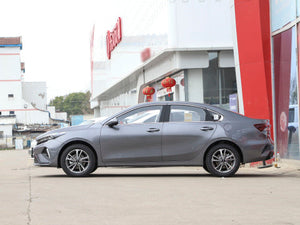
A Complete Guide to the Process of Vehicle Inspection and Certificatio
A Complete Guide to the Process of Vehicle Inspection and Certification: Six Steps to Identify Accident Vehicles and Water-Damaged Vehicles