

A Comprehensive Analysis of Inspection and Certification Standards for Clock and Watch Products: A Complete Guide for Comprehensive Control from Timekeeping Accuracy to Appearance Quality
I. Tolerance Standards for Waterproof Case Accessories
When inspectors conduct inspections on clock and watch accessories, they must measure and evaluate according to the following tolerance requirements:
1. Glass
Thickness: ±0.05mm
Diameter (crystal glass): +0.02/-0.01mm
2. Shell Body
Project Deviation Requirements (mm)
Outer Diameter ±0.1
Inner Surface Diameter +0.03/-0
Normal Inner Mirror Diameter ±0.02
Waterproof Inner Mirror Diameter (5ATM Waterproof) +0/-0.02
Inner Mirror Position Height +0.05/-0
Inner I-ring Position Height +0.05/-0
Middle of the Handle Height ±0.03
Depth of the I-ring Hole +0/-0.03
Depth of the Thread +0.03/-0
Diameter of the Thread ±0.05
Inner Needle Position Height +0.05/-0
Inner Shadow Height +0.10/-0.00
Closed Dimensions +0.06/-0
Middle Height of the Handle ±0.05
Shell Stopper Size +0.03/-0
Ear Position Width of the Outer Ring +0.05/-0.08
3. I-ring (Rubber Ring)
Cross-sectional Diameter: ±0.05mm
4. Bottom Cover (Bottom Plate)
Size of the bottom cover opening: +0.02 / -0 mm
Minimum position: ±0.03mm
5. Bottom cover (lock base)
Tooth height: +0.05/-0mm
Locking base count: +1/4 circle / -0
6. I Dimension: ±0.03mm
Thickness: +0.02 / -0 mm
Outer diameter: +0.03/-0 mm
7. Inner Cover
Side margin tolerance: +0.01/-0.05mm
Side dimension: (N + 0.1) ± 0.03 mm (N = diameter of the substrate surface)
8. Dominant
Specified dimension: ±0.03mm
Inner diameter: +0.01/-0.02mm
Outer diameter: +0.01/-0 mm
9. Toggle Button
Angle deviation of the centerline position from the true axis center: ±1/2 degree
II. Strap Tolerance Standards
Size Name Tolerance Requirements (mm)
Lead Width ±0.15
Same Strap Beads on Both Sides ±0.15
Strap Length ±5
III. Surface (Textured) Tolerance Standards
Size Name Tolerance Requirements (mm)
Face Diameter ±0.05
Middle Groove ±0.04
Face Foot ±0.01
Face Thickness ±0.04
IV. Glass Thickness Requirements (According to Water Resistance Level)
Water Resistance Level Minimum Thickness (mm)
Non-waterproof Shell 1.0
1-3 Degree Waterproof Shell 1.2
5 Degree Waterproof Shell 1.5
10 Degree Waterproof Shell 2.0
V. Bottom Cover Thickness Requirements (According to Water Resistance Level)
Water Resistance Level Minimum Thickness (mm)
Non-waterproof Shell 0.5
1-3 Degree Waterproof 0.6
5 Degree Waterproof 0.7
10 Degree Waterproof 1.0
VI. Matching Dimension Requirements
Matching Part Requirements
Shell Strap Lead Width + 0.1 = Shell Ear Width
Shell Surface Textured Tail of Surface is 1mm smaller than Shell Open Surface
Shell Surface Face Diameter is 0.5mm smaller than Shell Thread Hole and 1mm larger than Shell Open Surface
Shell Bottom Bottom Stopper is 0.5 - 0.8mm larger than Shell Stopper
Inspection Instructions: Generally, it is necessary to test the matching condition of each component by assembling the actual product. If the incoming goods are single components or cannot be assembled and matched, it is necessary to conduct the inspection according to the above size standards.
VII. Appearance Inspection Standards Testing method
Light source: No less than 30W
Distance: The tested object is inspected visually within a 30 cm distance (with the light source 1.5 meters away)
Criteria (Unacceptable Items)
Defect Type Judgment
Sharp corners, burrs on the case, strap, surface and base Unacceptable
Unequal electroplating colors after polishing of the same watch component (e.g. case and strap) Unacceptable
Inconsistency between the same batch number, same model and the pre-assembly front plate Unacceptable
Discrepancy between the printed logo on the surface and the customer's requirements (shape, font, position, color, etc.) Unacceptable
Any cracks on the watch crystal Unacceptable
Incorrect printing of the words on the case, strap Unacceptable
Different colors of the case, strap and base from the customer's requirements Unacceptable
Missing, oily, damaged letter nails, UP protrusions Unacceptable
Sand holes in letter nails or poor electroplating Unacceptable
Incorrect printing on the bottom cover Unacceptable
Mismatch in sanding of the case, strap and base with the customer's requirements Unacceptable
Yellowing, blackening, lack of shine, over-limiting, or presence of specks in the electroplating Unacceptable
Electroplating color different from the customer's requirements Unacceptable
Electroplating not in accordance with the customer's environmental protection requirements Unacceptable
Crunching and sanding on the case, strap and base not matching the customer's requirements Unacceptable
Yellowish or blackish electroplating, lack of shine, over-limiting, presence of specks Unacceptable
Electroplating color different from the customer's requirements Unacceptable
No wax residue on the case or strap Unacceptable
Any stainless steel components rusted Unacceptable
VIII. Criteria for Determining Watch Appearance Grades
Grade Testing Conditions Judgment Criteria
A Grade At a distance of 25cm, without the aid of tools, inspect the front, bottom and side surfaces No obvious appearance defects such as stains, marks, scratches, or chipped points
B Grade At a distance of 30cm, without the aid of tools, inspect the front, bottom and side surfaces No obvious appearance defects such as stains, marks, scratches, or chipped points
C Grade At a distance of 30cm, without the aid of tools, inspect the front and bottom surfaces (side surfaces can be relaxed) Only the bottom of the case and strap are allowed: ≤ 2 points with a diameter < 0.3mm of chipped points/stains; ≤ 6 points with a diameter 0.1–0.3mm of chipped points/stains; ≤ 4 cracks with a width of 0.1mm and a length of 5mm
D Grade At a distance of 30cm, without the aid of tools, inspect the front, bottom and side surfaces Positive and negative surfaces are allowed: ≤ 5 points with a diameter ≤ 0.3mm of chipped points/stains; no more than 4 cracks (width 0.1mm, length 5mm)
Processing accuracy and detection capability of waterproof shells
Electroplating process and environmental compliance (RoHS, REACH, etc.)
Test of adhesion between letterpress printing and screen printing
Timing accuracy adjustment equipment and recording
Qualifications and Training of Inspectors
2. Product Certification Requirements
Clock and watch products need to meet the corresponding certification standards when entering different markets:
Target Market Certification Requirements Inspection Focus
Chinese Market Mandatory certification (if applicable), GB/T 6044 "Pointer-type Quartz Watch" Accuracy of timekeeping, Water resistance, Hazardous substances
European Market CE Mark, RoHS, REACH Release of nickel in electroplating layer, Battery environmental protection
Swiss Market Swiss Made Certification (if applicable) Origin of the movement, Quality standards
During inspection, it is necessary to verify the consistency between the product label and the certification certificate.
3. Continuous improvement
Any quality issues discovered during the inspection should be promptly reported to the supplier.
Repetitive issues need to be followed up and rectified through factory inspections.
Establish a quality traceability record to support product certification audits
X. Sampling and Decision Rules
1. Sampling Plan
Determine the sampling quantity and acceptance level based on the AQL (Acceptable Quality Limit) standard.
For key items such as waterproof performance and timekeeping accuracy, it is recommended to adopt a zero-defect sampling plan.
2. Defect Classification
Defect Category Definition Judgment Criteria
Fatal Defect Deviation in timekeeping accuracy, failure of water resistance, lens cracks, excessive toxic and harmful substances Zero tolerance. Any defect found will result in the entire batch being judged as non-conforming.
Major Defect Excessive dimensional tolerance deviation, poor electroplating, incorrect printing on the surface, mismatch of grades Judged according to AQL standards
Minor Defect Slight surface scratches (within the allowable range of grades), packaging defects Judged according to AQL standards
3. Inspection Report
All inspection results must be recorded in the formal inspection report.
Including the actual measurement dimensions, photos of appearance defects, and the result of grade determination
Clearly define the conclusion and suggestions
Share this product
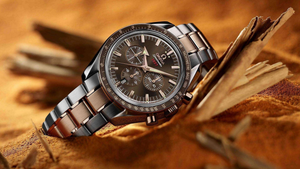
A Comprehensive Analysis of Inspection and Certification Standards for
A Comprehensive Analysis of Inspection and Certification Standards for Clock and Watch Products: A Complete Guide for Comprehensive Control from Timekeeping Accuracy to Appearance Quality