

A Comprehensive Analysis of Product Quality Control for Mattresses: A Quality Assurance Guide from Inspection and Factory Audit to Certification Testing
I. Key Points for mattress Inspection
During the inspection process of the mattresses, the inspectors should pay particular attention to the following core items:
Spring strength test
The strength of the spring depends on the steel grade used for the wire. The higher the steel grade, the better. The preferable material is manganese steel.
Press the surface firmly with your hands, and you will feel the right degree of softness and hardness.
No spring-related friction sounds, good rebound, no dents
2. Inspection of filling materials
Cotton felt (or synthetic fiber felt) and palm leaves: Cotton felt has good air permeability, while synthetic fiber felt has better strength.
The padding material should be clean, hygienic and odor-free.
After undergoing processes such as high-temperature molding (thermoplastic) and disinfection, the texture becomes dry.
3. Fabric Inspection
Optional fabrics with anti-mite treatment
The fabric should have sufficient thickness and strength.
The surface should be full and symmetrical.
The stitching on the fabric should be free from broken threads, skipped stitches, or floating threads.
The seams around the mattress should be straight and smooth.
4. Color Fastness Test
For mattresses with colors or patterns, apply white paper to the surface of the fabric and rub it gently several times.
Check for any color fading.
5. Inspection of Observation Holes
If there are observation holes or zippers around the mattress, the padding material should be inspected.
The padding material should be clean and hygienic, without any unpleasant odor.
II. Key Points for Supplier Auditing
During the auditing process, mattress suppliers need to focus on evaluating the following capabilities:
1. Raw material procurement control
Supplier qualifications and quality certificates for spring steel wire
Purchase Record of Filler Materials (Cotton毡, Palm Leaves, Sponge
The environmental protection and dust-mite prevention treatment certifications of the fabric
2. Quality Control in Production Process
Spring Assembly Process and Quality Inspection
Filler material paving technique
Fabric sewing process and inspection
Edge trimming and overall molding process
3. Testing Equipment and Personnel
Equipment configuration for spring fatigue testing
Fabric color fastness testing capability
Equipment for detecting harmful substances such as formaldehyde
Qualifications and training records of inspectors
4. Environmental Protection and Safety Management
Production environment cleanliness management
Measures for Controlling Hazardous Substances
Record of Execution for High-Temperature Molding and Disinfection Process
III. Laboratory Testing and Certification Requirements
1. Physical Performance Testing
Density and Weight: The density and weight of the filling material should comply with the design requirements.
Rebound performance: The rebound rates of the springs and the foam need to meet the standard requirements.
Mechanical properties: Durability and fatigue test of the mattress
2. Safety and Hygiene Performance Inspection
Formaldehyde emission: The brown fiber elastic mattress is most likely to have excessive formaldehyde content, and it needs to be subject to special testing.
Flame retardant performance: The fabric of the mattress should meet the requirements of the flame retardant standards.
Toxic and harmful substances: Limited detection of heavy metals, degradable aromatic amine dyes, etc.
3. Product Certification Requirements
When entering different markets, mattress products must comply with the corresponding certification standards:
Target Market Certification Requirements Inspection Focus
Chinese Market GB 18401 "National Textile Product Basic Safety Technical Specifications", GB/T 26706 "Brown Fiber Elastic Mattress" Formaldehyde emission, pH value, decomposable carcinogenic aromatic dye
European Market REACH Regulation, EN 597 (Flame Retardant Standard) Maximum content of harmful substances, fire safety performance
American Market 16 CFR Part 1633 (Mattress Flame Retardant Standard) Flame retardant performance, formaldehyde limit
IV. Quality Inspection Reports and Traceability
1. Inspection Report Verification
When consumers purchase a mattress, they should carefully check whether the formaldehyde emission in the inspection report meets the national standards
Check whether all the physical performance indicators in the report meet the requirements.
Confirm whether the report was issued by a third-party testing institution with CNAS and CMA certifications.
2. Quality Traceability
Keep relevant evidence such as invoices
Record the product batch number and production date
It is best to let the mattress air out for a few days before using it, in order to further reduce the remaining substances.
V. Inspection Sampling and Determination
1. Sampling Scheme
Determine the sampling quantity and acceptance level based on the AQL (Acceptable Quality Limit) standard.
For safety-related projects (such as formaldehyde content and flame retardancy), it is recommended to adopt a zero-defect sampling plan.
2. Defect Classification
Defect Category Definition Judgment Criteria
Fatal Defect Excessive formaldehyde content, non-compliant flame retardancy, sharp edges, etc. - safety hazards Zero tolerance. Any defect found will result in the entire batch being judged as non-conforming.
Major Defect Spring noise, poor rebound, fabric damage, non-compliant color fastness Judged according to AQL standards
Minor Defect Slight appearance defects, label deviations Judged according to AQL standards
Share this product
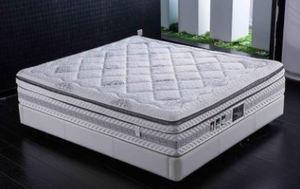
A Comprehensive Analysis of Product Quality Control for Mattresses: A
A Comprehensive Analysis of Product Quality Control for Mattresses: A Quality Assurance Guide from Inspection and Factory Audit to Certification Testing