

Comprehensive Analysis of Shoe Inspection Standards for Children: A Quality Inspection Guide to Safeguard Children's Safety
Title: Comprehensive Analysis of Shoe Inspection Standards for Children: A Quality Inspection Guide to Safeguard Children's Safety
Introduction
Inspection is a specialized field of knowledge. For products like children's shoes that involve children's safety and health, the inspection standards are even more stringent. Children's shoes not only need to meet basic wearing functions, but also must comply with mandatory regulations in terms of material safety, structural stability, and meticulous craftsmanship. This article thoroughly explains the inspection standards for children's shoes, covering three major aspects: the surface, accessories, and the bottom. It provides systematic quality control references for inspectors, purchasers, and manufacturers. These standards are also important bases for supplier factory audits and product certifications.
I. Key Points for Facial Inspection
The face of a child is their "first impression", directly influencing the comfort of their clothing and the health of their feet. The inspector needs to check the following details item by item:
The flatness of the shoe surface and the quality of the material
The climbing strap should not be twisted; the shoe sole should be free from scratches or damages.
Leather products: The front of the shoes, the shoe cover and the outer waist must not have any leather defects such as insect bites, scratches, or blemishes.
Check if the wool fabric has faded and whether the left and right feet are paired correctly.
2. Surface smoothness
The surface of the leather cover must be smooth, free from wrinkles and bumpy areas.
The toe of the shoe must be smooth and flat; it should not have any protrusions or raised edges.
3. Suture Quality
The surface of the cover must not have any loose threads or broken lines.
And it is even more unacceptable to have no boundaries or to be reckless.
The stitches should be evenly distributed to ensure they do not crack over a long period of use.
4. Toe height of the shoe
Comparison of toe height consistency
Compare with the confirmed sample to see if it is correct
Incorrect arching can affect a child's walking posture.
5. Color and Effect
Compare the sample shoes and check if there is any color difference on the shoe surface.
Is the glossiness and the color-removal effect the same as that of the confirmed sample?
6. Trademark Inspection
Check if the trademark letters are correct
Essential letters
The location must meet the requirements.
7. Inner part and toe section
The inner lining of the shoe toe must not be wrinkled or pressed against the foot.
Check if it has penetrated the midsole.
When making cotton shoes, consider sewing the back strap and the front half of the foot part together.
8. Harbor Inspection
Is there any insertion into the midsole?
Are there any unrecorded or missed Hong Kong dollars?
Is the hardness of the Hongbao sufficient (especially the later Hongbao needs to be harder)?
9. Shoe Casing and Zipper
The shoe tube must be straight and free from wrinkles.
The zippers should be smooth and the locking position should be secure.
Is the zipper slip-resistant and does it have sufficient durability?
Is the trademark correct?
10. Shape of the sole
The shape of the sole arch must be perfectly standard.
It should not sink and ensure a comfortable fit.
11. Boot inspection
Is the boot shaft smooth?
Is the lining inside the boot smooth?
Is the internal stitching properly done?
Is the boot shaft leaning forward or backward?
12. Magic Patch Test
For the shoes with the magic tape, do the stickiness and adhesion of the hooks and loops meet the standards?
Repeated opening and closing tests to ensure the strength and stability
II. Inspection Points for Accessories
The accessories on children's shoes not only affect the appearance but also concern the safety of children. They are key items for safety certification. According to GB 30585 "Technical Specifications for Safety of Children's Shoes", the small attachments on children's shoes must meet the tensile strength requirements to prevent children from pulling them off and swallowing them.
Quality of decorations
All kinds of accessories must not be cracked, chipped, scratchy, or have burrs.
Not suitable for iron materials (to prevent rusting and scratching)
Cannot be easily detached
2. Electro-embroidery quality
The needle spacing for electro-embossing must be aesthetically pleasing.
Non-detachable
No significant color difference allowed
3. Firmness of bead and stud fasteners
If the upper part of the shoe has decorative beads or buttons, its durability must be excellent.
Testing method: Pull and stretch it, and see if it falls off.
Carry out tensile strength tests in accordance with national standards
III. Key Points for Bottom Inspection
The bottom structure directly affects the stability and durability of the shoes, and is also the focus of the physical performance tests:
Midsole and steel core
Check whether the midsole core is made of hard steel material.
Is the midsole material in compliance with the company's standards?
Did the bending resistance test pass?
Is the bottom edge rolled over?
2. Outsole Quality
The sole must not fade in color.
The thickness and softness/hardness should meet the standards (typically 50-55 degrees)
The wear resistance needs to be tested.
3. Internal Cleaning
There must be no foreign objects inside the shoes.
The nails inside the shoes need to be removed and cleaned thoroughly.
Remnants of sharp objects may cause harm to children.
4. Dressing inspection
Does the fitting look comfortable?
For those who are pregnant, check if they experience any instability during movement.
IV. Compliance Requirements for Shoe Inspection
1. Mandatory Standards
Shoe inspection must comply with the relevant national mandatory standards:
GB 30585-2014 "Safety Technical Specifications for Children's Shoes": Covers physical mechanical safety and chemical safety
GB 25036-2010 "Children's Rubber Shoes with Fabric Uppers": Specifically for children's shoes with fabric sole covers
GB 6675 "Toys Safety": Applicable to children's shoes with toy functions
2. Chemical Safety Requirements
Decomposable carcinogenic aromatic amine dyes: Limit ≤ 20 mg/kg
Formaldehyde: Direct skin contact ≤ 75 mg/kg, non-direct contact ≤ 300 mg/kg
Total heavy metal content: Lead ≤ 90 mg/kg, Cadmium ≤ 100 mg/kg
Phthalates: DEHP + DBP + BBP ≤ 0.1%
3. Physical mechanical safety
Tensile strength of small accessories: ≥ 70N
Sharp edges and sharp tips: Not allowed to exist
Heel height: There are restrictions based on the child's age group.
V. Sampling and Decision Rules
1. Sampling Plan
Determine the sampling quantity and acceptance level based on the AQL (Acceptable Quality Limit) standard.
For safety-related projects (such as the firmness of small attachments), it is recommended to adopt a zero-defect sampling plan.
2. Defect Classification
Fatal Defects: Excessive toxic substances, sharp edges, detachable small parts - zero tolerance.
Main defects: Function failure (such as glue separation, wire breakage), obvious appearance issues, size deviations
Minor defect: Minor appearance blemish, does not affect usage or safety
3. Inspection Report
All inspection results must be recorded in the official inspection report.
Including defect photos, measurement data and test results
Clearly define the conclusion and recommendations
VI. Linkage between Factory Audit and Certification
1. Supplier Capability Assessment
During the factory audit, the footwear suppliers are required to conduct a key assessment of:
Raw material procurement control (especially for the management of chemicals)
Quality control points in the production process
Test Record of Installation Firmness of Small Attachments
Equipment inspection and calibration records
Qualifications and Training of Inspectors
2. Product Certification Requirements
For children's shoes to enter different markets, they must meet the corresponding certification requirements:
Chinese Market: CCC Certification (Specific Categories)
EU market: CE mark, REACH regulation
US market: CPSIA certification, ASTM standards
During the inspection process, it is necessary to verify the consistency between the product labels and the certification certificates.
3. Continuous Improvement
Any safety issues identified during the inspection should be reported immediately.
Repetitive issues need to be followed up and rectified through factory inspections.
Promote the continuous optimization of the supplier's quality system
Share this product
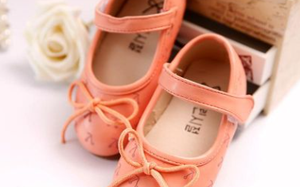
Comprehensive Analysis of Shoe Inspection Standards for Children: A Qu
Comprehensive Analysis of Shoe Inspection Standards for Children: A Quality Inspection Guide to Safeguard Children's Safety