

Detailed Inspection Standards for Men's Shoes: Comprehensive Guide to Inspection of the Face, Bottom and Stability
Title: Detailed Inspection Standards for Men's Shoes: Comprehensive Guide to Inspection of the Face, Bottom and Stability
Introduction
The core purpose of the inspection is to verify whether the goods supplied by the supplier meet the requirements of the purchase order contract and the other special regulations of the buyer. For products like men's shoes that emphasize durability and comfort, a systematic inspection process is particularly important. This article summarizes the inspection standards for men's shoes, covering three major aspects: the surface, the bottom, and the firmness. It provides professional references for inspectors, purchasers, and manufacturers. These standards are also important bases for supplier factory audits and product certifications.
I. Key Points for Facial Inspection
The face of a shoe is like the "face" of the shoe itself, directly determining the first impression of the consumer and the comfort level of wearing. The inspector needs to check the following details item by item:
a. Leather quality
The leather should not be loose in texture.
Leather products: The front of the shoes, the shoe cover and the outer waist must not have any leather defects such as insect bites, scratches, or blemishes.
Material consistency must conform to the confirmed sample.
b. Front of the shoe and rear closure
The front of the shoe must not protrude (the edges should not be raised)
The seams at the back should be straight and centered.
The heights of the two waistlines must be precisely determined and confirmed.
c. Thread Quality
The surface fabric must not have loose threads or broken threads.
And it is even more unacceptable to have no boundaries or to be reckless.
The stitches should be evenly distributed, and the stitch density should meet the requirements (usually 7-8 stitches per inch)
d. Shoe toe inclination
Comparison of consistency of shoe toe inclination
Compare with the confirmed sample to see if it is correct
Incorrect arch height can affect the comfort of walking.
e. Laces and fastening position
Is the lacing secure enough (for men's shoes with laces)?
The seam should not have any obvious cracks or holes.
Do not strike the feet (when wearing, avoid rubbing the feet)
f. Color and Effect
Compare the sample shoes and check if there is any color difference on the shoe surface.
Is the glossiness and the color-removal effect the same as that of the confirmed sample?
g. Trademark inspection
Check if the trademark letters are correct
Essential letters
The location must meet the requirements.
h. Inner part and toe area
The inner lining of the toe area must not be wrinkled or cause the foot to press uncomfortably.
Check if it has penetrated the midsole.
When making cotton shoes, consider sewing the back strap and the front half of the foot part together.
i. Harbor inspection
Is it pulled into the midsole?
Are there any unrecorded or missed Hong Kong dollars?
Is the hardness of the Hongbao sufficient (especially the later Hongbao needs to be harder)?
j. Shoe Casing and Zipper
The shoe casing must be smooth and free from wrinkles.
The zipper should be smooth and the locking position should be secure.
II. Key Points for Bottom Inspection
The bottom structure directly affects the durability and wearing stability of the shoes, and is the focus of the physical performance tests:
a. Adhesion strength test
Whether the adhesion strength meets the standard
The adhesive bonding of the male shoe sole: When handled under certain circumstances, the sole does not come off.
Do not apply glue to the two sides of the waist.
The glue lines should be kept within the specified limits, especially for light-colored footwear.
b. Outsole assembly
The outsole must not have any front-back indentation (front-back offset)
The toe of the shoe should be straight.
The sizes of the upper part and the outsole must be accurate and correct.
c. Outsole quality
The outsole should not fade in color.
The thickness and softness/hardness must meet the standards.
The wear resistance needs to be tested.
d. Midsole steel core
Check if the midsole is made of steel.
Did the bending resistance test pass?
Does the material meet the requirements of the company?
The position should be correct, and it should also be segmented (different parts have different thicknesses)
e. Outsole adhesive strips and edge protection
The outsoles with adhesive strips must be properly attached.
With a rolled edge that cannot be unfastened
It must be smooth and seamless, without any cracking or insufficient adhesion.
f. Sole post-processing
Sole post-processing must strictly follow the standards.
Not below the standard range
g. Overall sole smoothness
The soles of all men's shoes should be smooth.
No steel core cracks are allowed.
The sole must be free from any unevenness and must not have any forward or backward bulges.
h. Midsole and insole
Whether the midsole and the soles are frayed at the edges
Is the adhesive of the insole firmly attached?
III. Key Points of Durability Test
The durability test is crucial for ensuring the long-term performance of men's shoes and is also the core content of laboratory testing:
a. Tensile test
Has the material wear resistance test been passed?
The tensile strength of the key stressed area
b. Cold Resistance and Flexibility Test
Has the final product passed the cold resistance and flexibility test?
The performance of repeatedly bending under simulated low-temperature conditions
c. Component tensile test
The force-bearing areas such as the tongue of the shoe, the webbing, and the rear strap
The pulling force of the accessories must meet the standards.
Testing method: Apply the specified force and observe for any detachment or damage.
IV. Sampling and Decision Rules
1. Sampling Plan
Determine the sampling quantity and acceptance level based on the AQL (Acceptable Quality Limit) standard.
The general inspection level is grade II, and for special items, S-2 or S-3 standards are adopted.
2. Defect Classification
Fatal Defects: Such as broken steel core, excessive toxic substances, sharp edges. Zero tolerance.
Main defects: Function failure (such as glue separation, wire breakage), obvious appearance issues, size deviations
Minor defect: Minor appearance blemish, does not affect usage
3. Inspection Report
All inspection results must be recorded in the official inspection report.
Including defect photos, measurement data and test results
Clearly define the conclusion and recommendations
V. Linkage between Factory Audit and Certification
1. Supplier Capability Assessment
During the factory audit, the following aspects are given priority attention:
Quality control system (such as ISO 9001 certification)
Production process control capability
Equipment inspection and calibration records
Qualifications and Training of Inspectors
2. Product Certification Requirements
Depending on the target market, men's shoes may need to comply with specific certification standards:
EU market: Must comply with REACH regulations and CE marking requirements
US market: Must comply with ASTM standards and CPSIA requirements
Chinese market: Must comply with standards such as GB/T 15107 "Tourist Shoes" etc.
During the inspection process, it is necessary to verify the consistency between the product labels and the certification certificates.
3. Continuous improvement
The problems identified during the inspection should be reported back to the supplier.
Repetitive issues need to be followed up and rectified through factory inspections.
Promote the continuous optimization of the supplier's quality system
Share this product
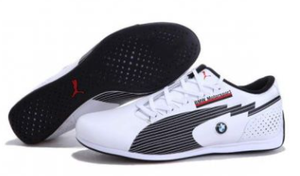
Detailed Inspection Standards for Men's Shoes: Comprehensive Guide to
Detailed Inspection Standards for Men's Shoes: Comprehensive Guide to Inspection of the Face, Bottom and Stability