

Full Analysis of Quality Control for Electroplated Terminals: From Film Thickness Testing to Packaging Inspection - Certification Standards
The inspection of electroplated terminals is an indispensable quality control step after electroplating is completed. Only products that have passed strict inspection can be delivered for use in the next process. Electroplated terminals, as key components of electronic components, their quality directly affects the reliability, conductivity, and lifespan of connectors. This article will systematically analyze the inspection items and methods for electroplated terminals, covering film thickness testing, adhesion detection, solderability tests, appearance inspection, and packaging verification. It provides professional references for inspectors, purchasers, and manufacturers. These standards are also important bases for supplier factory audits and product certifications.
I. Film Thickness Inspection
1. Importance of Film Thickness Testing
Film thickness is a fundamental item in electroplating testing, directly affecting the corrosion resistance, conductivity, and service life of the product. The main testing method is the use of a fluorescent film thickness gauge (X-RAY), which works by exposing the coating to X-rays and collecting the energy spectrum of the reflected light to identify the thickness and composition of the coating. Precise film thickness control ensures that the product meets the certification requirements.
2. X-RAY Usage Precautions
To ensure the accuracy and traceability of the inspection data, the inspectors must strictly follow the following guidelines when using the X-RAY:
Power-on calibration: A spectral calibration must be performed each time the device is powered on.
Crosshair calibration: Perform crosshair calibration every month.
Gold and nickel calibration: A gold and nickel calibration should be conducted at least once a week.
File matching: During the measurement process, the test files should be selected based on the type of steel used in the product.
File establishment: No test files have been established for the new product. Such files should be established.
These calibration records are an important aspect of the factory inspection process when checking the management of testing equipment.
3. The significance of test archives
Test archives form the basis for standardization verification. For example:
Au-Ni-Cu: Test for the thickness of gold plating after nickel plating as a base layer on copper substrate
(100 - 221 SN 4%: AMP copper material code, copper material containing 4% tin)
Accurate test records ensure the consistency of product inspections across different batches, and they are also a key verification point during the review by third-party certification agencies.
II. Adhesion Test
Adhesion testing is a fundamental inspection item in electroplating. Poor adhesion is one of the most common defects in electroplating. Insufficient adhesion can lead to the peeling of the coating, seriously affecting the reliability of the product.
1. Detection method
Method 1: Bending method
First, place a copper sheet of the same thickness as the required detection terminal over the area to be bent.
Use flat-nose pliers to bend the sample to 180 degrees.
Observe under a microscope whether there are any phenomena such as peeling or flaking of the coating on the curved surface.
Method 2: Tape Method
Securely attach the sample to be tested using 3M adhesive tape.
Make a 90-degree vertical turn and quickly tear off the tape.
Check if there is any peeling metal film on the adhesive tape.
If it is not possible to observe clearly by visual means, a 10x microscope can be used for observation.
2. Result determination criteria
There must be no phenomenon of metal powder falling off or being stuck by the tape.
There must be no phenomenon of metal coating peeling off.
Before the substrate is broken, there must be no severe cracking or peeling after the bending process.
No bubbles are allowed.
When the base material is not broken, there must be no exposure of the underlying metal.
3. Analysis of Defect Causes
When adhesion fails to meet the standards, it is necessary to be able to identify the location of the peeled-off layer. The inspector can use a microscope and X-RAY to measure the thickness of the peeled coating to determine the faulty process step. This analytical ability is also an important indicator for evaluating the technical capabilities of suppliers during factory audits.
III. Weldability Inspection
Weldability is the fundamental function and purpose of tin-plated lead and tin plating. For products with post-welding process requirements, poor welding is absolutely unacceptable.
1. Direct tin plating method
According to the design drawings, directly apply the required soldering agent to the area to be welded.
Immerse in a tin furnace at 235℃
After 5 seconds, remove it slowly at a speed of approximately 25 mm per second.
After removal, let it cool to room temperature and then observe it under a 10x microscope.
Criteria for judgment:
The area of the consumed tin should be more than 95%.
The area where the tin is applied should be smooth and shiny.
If there are no phenomena such as incomplete welding, detachment welding, or pinholes, it is considered qualified.
2. Aging before Welding
For some products with specific requirements, before conducting the welding test, the samples should undergo an aging process using a steam aging test machine for 8 or 16 hours to assess the welding performance of the product under harsh usage conditions. This simulated aging test is an important part of product certification.
IV. Appearance Inspection
Appearance inspection is the basic function of electroplating testing. From the appearance, one can determine the suitability of the electroplating process conditions and the possible changes in the electroplating solution.
1. Testing equipment and conditions
Place the sample under a 10x microscope
Use a standard white light source for vertical illumination
Observe the surface condition of the product through the eyepiece.
Different customers have different appearance requirements. For electroplated terminals, they should all be observed under a microscope with a magnification of at least 10 times or more. For the occurred defects, the higher the magnification, the more helpful it is for analyzing the causes of the problems.
2. Judgment Method
Color requirements:
The color should be uniform and there should be no variations in shade or different colors (such as turning black, turning red, or turning yellow).
The gold plating must not have significant color variations.
Cleanliness requirements:
It must not be contaminated with any foreign substances (such as hair debris, dust, oil stains, or crystals).
It must be dry and must not be damp with water.
Smoothness requirement:
The smoothness is excellent, and there should be no dents or particles.
Completeness requirements:
There must be no deformation such as compression injuries, scratches, or misalignment, and no damage to the plated parts.
There must be no exposure of the underlying layer.
Appearance of tin-lead:
Without compromising the weldability, a small number (up to 5%) of dents or pits are allowed.
Other requirements:
The coating must not have any phenomena such as bubbling or peeling indicating poor adhesion.
The electroplating positions shall be carried out in accordance with the drawings.
Without affecting the functionality of the product, the QE engineers can decide to moderately relax the standards.
For any questionable appearance defects, the QE engineers should formulate the limit samples and appearance auxiliary standards.
V. Packaging Inspection
Packaging reflects the image of the supplier. Therefore, it is of great importance to pay attention to packaging. Packaging inspection is the final step in the inspection process.
Packaging requirements:
The packaging is oriented correctly.
The packaging trays and boxes are clean and tidy, without any damage.
The labels are filled in completely and correctly.
The number of inner and outer labels is the same.
If the packaging inspection fails, it can be classified as a minor defect or a major defect. Such findings should be recorded in the inspection report and rectification measures should be required.
VI. Additional Testing Items
For products with specific requirements in the drawings, the following tests are also necessary:
Salt spray test: Evaluating the corrosion resistance of the coating layer
Porosity test (30U" gold using nitric acid vapor method)
Palladium-nickel plating product test (using gel electrolysis method)
Other environmental tests: such as high temperature and high humidity, temperature cycling, etc.
These tests are the key items for verifying the reliability of the products during product certification and factory inspection audits.
VII. Sampling and Decision Rules
1. Sampling Plan
Determine the sampling quantity and acceptance level based on the AQL (Acceptable Quality Limit) standard.
For key performance items (such as film thickness and adhesion), it is recommended to adopt a special inspection level.
2. Defect Classification
Critical Defects: Such as severe adhesion failure, non-compliant weldability, blistering of the coating, which are strictly prohibited.
Main defects: Excessive film thickness, obvious appearance flaws, incorrect labels
Minor defects: Minor surface blemishes, slight damage to the packaging
3. Inspection Report
All inspection results must be recorded in the formal inspection report.
Including defect photos, measurement data and test results
Clearly define the conclusion and recommendations
VIII. Linkage between Factory Audit and Certification
1. Supplier Capability Assessment
During the factory audit, the supplier of electroplated terminals must focus on the following assessment:
Calibration records and operation specifications for X-RAY and other detection equipment
Qualifications and training records of the inspectors
Analysis of poor adhesion and improvement mechanisms
Standardized process for solderability testing
The standardization of packaging management
2. Product Certification Requirements
Electroplated terminals need to comply with the corresponding certification standards when entering different industries:
Automotive industry: IATF 16949 quality management system certification
Consumer Electronics: IPC-6012 Rigid Printed Circuit Board Certification
Environmental protection requirements: Compliance certifications for RoHS and REACH standards
During the inspection process, it is necessary to verify the consistency between the product labels and the certification certificates.
3. Continuous improvement
Quality issues identified during inspection should be reported back to the supplier.
Repetitive issues need to be followed up and rectified through factory inspections.
Promote the continuous optimization of the supplier's quality system
Conclusion
The inspection of electroplated terminals is a systematic process that involves comprehensive testing in multiple dimensions such as film thickness, adhesion, weldability, appearance, and packaging. Only by adhering to strict inspection standards, using scientific sampling methods, and having professional inspectors conduct the inspection can each batch of electroplated terminals ensure that they meet the requirements in terms of conductivity, reliability, and durability.
For the purchasers, entrusting professional third-party inspection agencies to conduct full-process quality monitoring in accordance with this standard can effectively reduce quality risks and maintain the stability of the supply chain. For the manufacturers, strictly implementing this standard and passing the factory inspection and product certification are the fundamental ways to enhance market competitiveness and win the trust of customers.
Share this product
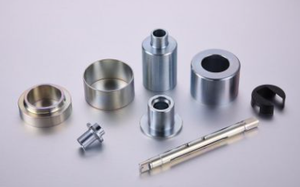
Full Analysis of Quality Control for Electroplated Terminals: From Fil
Full Analysis of Quality Control for Electroplated Terminals: From Film Thickness Testing to Packaging Inspection - Certification Standards