
Guidelines for "Inspection" and "Certification" of Various Tableware
In daily life, tableware comes in various materials, and their safety and practicality vary. Whether it is for suppliers to purchase or consumers to make a choice, they should master the basic knowledge of inspection, factory verification, testing and certification to ensure food safety.
1. Copper Utensils
Copper utensils (such as copper pots, copper spoons, copper kettles) often have blue-green copper rust on their surfaces. This is copper oxide and is non-toxic. However, for cleaning purposes, it is advisable to sand them smooth before using them for food. During the inspection process, check for any rust that has fallen off and confirm whether the manufacturer has obtained the certification for food contact materials.
II. Porcelain Tableware
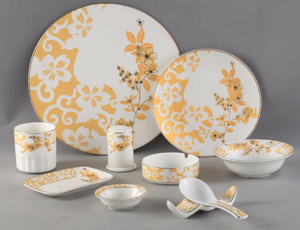
Porcelain was once believed to be non-toxic, but inferior products may cause lead to leach out and mix into the food due to the presence of lead in the glaze, insufficient firing temperature, or non-compliant ingredients. Ceramic products with many protrusions, spots, uneven glaze, or cracks are not suitable for use as tableware. Porcelain that has been repaired with adhesives containing high levels of lead is also not recommended for use.
Inspection Tips: Gently tap the porcelain with your index finger. If it produces a clear and crisp sound, it indicates that the porcelain body is fine and well-fired; a dull sound may suggest damage or poor quality. When purchasing, you should request the supplier to provide a report on lead and cadmium migration, and ensure it complies with national standards or certification requirements such as those from the FDA or LFGB.
III. Enamel Tableware
Enamel tableware has good mechanical strength, is heat-resistant, and easy to clean. However, it is prone to cracking upon impact. The outer layer of enamel contains silicon dioxide and aluminum oxide. After damage, it may transfer substances to the food. During inspection, it is necessary to check that the surface is smooth and flat, the enamel is uniform, the color is bright, and there is no visible base powder or embryo phenomenon. When inspecting the factory, attention should be paid to the enamel firing process and the certification of raw materials.
IV. Bamboo and Wood Tableware
Bamboo and wood tableware are non-toxic and easy to obtain materials. However, they are prone to contamination and mold growth. If not properly disinfected, they may cause intestinal infectious diseases. During inspection, attention should be paid to the moisture content, the presence of mold spots, and the safety of the surface coating. Export bamboo and wood tableware must comply with the certification standards of the importing country (such as FDA, LFGB).
V. Plastic Tableware
The raw materials of qualified plastic tableware are mostly polyethylene (PE) or polypropylene (PP), which are non-toxic plastics. However, polyvinyl chloride (PVC) is harmful. To identify it: it feels smooth, ignites easily when exposed to fire, has a yellow flame, and has a waxy smell. This indicates PE/PP; it feels sticky, is difficult to ignite, has a green flame, and a pungent smell. This indicates PVC. During inspection, it is also recommended to avoid choosing brightly colored tableware as the release of lead and cadmium may exceed the standard. It is recommended to choose products without decorative patterns and without any odor, and to request a test report and certification mark.
VI. Iron Cookware
Iron cookware is generally non-toxic, but it tends to rust. Rust can cause nausea, vomiting, etc. It is not suitable to use ironware to hold cooking oil (as it is prone to oxidation and deterioration), nor is it suitable to cook foods rich in tannins (such as juices, tea, coffee). During inspection, check the surface rust prevention treatment and the integrity of the coating. During factory inspection, verify whether the raw materials and rust prevention processes meet the certification requirements.
VII. Aluminum Tableware
Aluminum tableware is lightweight, durable and inexpensive. However, excessive accumulation of aluminum in the human body can accelerate aging and affect memory. It is not suitable for cooking acidic or alkaline foods, nor is it suitable for storing meals with high salt content for a long time. During inspection, it is necessary to pay attention to whether the surface oxide film is intact. It is recommended to purchase aluminum tableware that has passed food-grade certification.
VIII. Glass Tableware
Glass tableware is clean and hygienic, and generally does not contain toxic substances. However, if exposed to water for a long time, it may "mold" and produce harmful substances, which require regular use of alkaline detergents for removal. During inspection, check for bubbles, cracks, and mold spots. Exported glass tableware should comply with the corresponding certification standards.
IX. Stainless Steel Tableware
Stainless steel tableware is beautiful and corrosion-resistant, but it contains metals such as chromium, nickel, and molybdenum. If it is used to store electrolytes like salt, soy sauce, and vinegar for a long time, harmful substances will leach out. During the inspection process, the material identification (such as 304, 316) should be checked, and it is necessary to confirm that the manufacturer provides a food contact material inspection report and certification certificate. During the factory inspection, the production process and the detection ability for heavy metal migration should be verified.
In conclusion, whether it is for individual household purchases or large-scale purchases, attention should be paid to the inspection, verification, testing and certification of tableware, so as to ensure food safety from the source.
Share this product
Guidelines for "Inspection" and "Certification" of Various Tableware
Guidelines for "Inspection" and "Certification" of Various Tableware