
Inspection methods, procedures and precautions for mining dump trucks
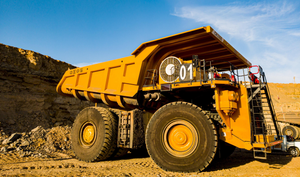
Mining dump trucks are the core transportation equipment in heavy industrial scenarios such as open-pit mines, large-scale water conservancy projects, and steel smelting. They operate continuously in extreme environments with heavy loads, dusty conditions, high vibrations, and steep slopes. The value of each unit can often reach millions or even tens of millions. Once major failures such as beam fractures, lifting failures, tire bursts, or brake control failures occur, the resulting downtime losses and safety consequences are far more severe than those of ordinary vehicles. During scenarios such as new machine procurement and delivery, second-hand equipment transactions, complete machine major overhauls and factory exits, and annual asset evaluations, a comprehensive inspection covering the frame structure, oil and gas suspension, giant tires, lifting systems, and power trims is crucial for ensuring the safety of mining transportation and the preservation of asset value. From the perspective of third-party inspection and factory audits, this article systematically analyzes the key technical points of inspection for mining dump trucks.
I. Overview of Inspection Methods
Based on the transmission type of the mining dump truck (mechanical transmission/electric transmission), the rated load capacity level, the unloading method (rear unloading/undercarriage unloading), and the client's requirements, the inspection comprehensively employs the following methods:
Static comprehensive inspection: The vehicle is left stationary. Various components such as the vehicle frame, cargo compartment, driver's cab, ROPS/FOPS structure, oil and gas suspension, giant tires, transmission system, hydraulic lifting system, and electrical control system are inspected item by item through visual inspection, measurement with measuring tools, and instrument detection.
Dynamic performance testing: Conduct dynamic verification at the mine site or dedicated test facility, including full-load acceleration of the engine, response of the electric drive system, steering flexibility, braking efficiency, and lifting stability.
Special system testing: Conduct special functional and performance tests on the electric drive system (electric wheels/prime mover/traction motors), oil-gas suspension system, hydraulic lifting system, automatic fire extinguishing system, tire monitoring system, etc.
Load calibration test: When conditions permit, using standard loads or calibrated rock and mineral materials, verify the actual carrying capacity, lifting performance, and suspension settlement amount.
Document and label traceability: Verify the complete matching of the vehicle's label, chassis number, engine/motor label, lifting cylinder label, and electric wheel assembly serial number with the factory documents and consistency certificates.
The third-party inspection is carried out based on the "static full inspection + dynamic performance test + special system test" package. For high-value transactions or major disputes, additional partial load tests and oil spectrum analysis must be added.
II. Inspection Process
1. Data Collection and Preparation for Inspection
The client provides a list of the vehicles to be inspected for mining use, specifying the manufacturer, model, rated load capacity (tons), power type (diesel mechanical/diesel-electric/pure electric), vehicle body type (standard bucket/rock bucket/lightweight bucket), emission stage, applicable standards (such as GB/T 35194, GB 25523, ISO 3471, etc.). The inspector prepares: long tape measure, ultrasonic thickness gauge, paint film thickness gauge, crack detector (PT/MT/UT as needed), infrared thermometer, high-pressure pressure gauge set, endoscope, oil sample bottle, sound level meter, walkie-talkie, etc.
2. Confirmation of Venue and Safety Conditions
The inspection site should be the flat area of the mine's dump, the maintenance workshop's drainage ditch or a dedicated test platform. The foundation should be solid and have sufficient bearing capacity to accommodate fully-loaded vehicles. The vehicle should be in an empty state, with the engine turned off, the parking brake locked, and wheel chocks placed at both ends of the tires. A warning tape should be set up in the inspection area, and non-inspection personnel are prohibited from entering. Inspectors should wear safety helmets, reflective vests, and anti-shatter shoes. When entering the vehicle's bottom for inspection, safety supports should be used for auxiliary support (it is strictly prohibited to rely solely on the hydraulic system for support).
3. Identity and Label Verification
Chassis Number: The chassis number (PIN) of a mining dump truck is usually engraved on the outer side of the main beam or the front crossbeam. It should be imprinted and compared with the nameplate and the factory documents to check for any signs of grinding, welding repair, or re-engraving.
Vehicle nameplate: Verify the manufacturer, model, factory serial number, manufacturing date, curb weight, rated load capacity, and maximum total mass.
Engine/Generator Nameplate: Records the diesel engine model, serial number, rated power/rpm, emission stage; for electric drive models, it also records the nameplate information and serial number of the main generator and traction motor.
Lift cylinder nameplate: Records the model of the lift cylinder, the rated working pressure, and the factory serial number.
Motor assembly label (for electric drive vehicles): Record the model and serial number of the left and right electric wheels, and verify against the configuration table. Any unclear, inconsistent, or damaged label information, as well as any cases where the factory serial number has been abraded, should be immediately upgraded to a serious non-conformity item.
4. Frame and Structural Component Inspection - The "Main Ribs" of the Mining Truck
This is the most risky and most difficult part in the inspection of mining dump trucks.
Main frame: Use a flashlight to inspect each section from the front crossbeam, left and right longitudinal beams to the rear crossbeam. Focus on the following areas: steering cylinder support, lifting cylinder base, suspension cylinder mounting seat, frame joint points (for articulated mining trucks), and the welding connection points between the crossbeam and the longitudinal beam. Look for weld cracks, base material tears, and repair weld marks. Any suspected cracks must have the surface paint layer cleaned before conducting penetrant testing (PT) or magnetic particle testing (MT) for confirmation.
Carriage: The bottom plate is measured using an ultrasonic thickness gauge with grid points. The thinnest point thickness is recorded and compared with the original specifications. Key inspections include: the connection welds between the bottom plate and the side plate, the welding area of the rear crossbeam, the welds of the carriage flipping shaft support, the fixation and wear condition of the wear-resistant lining (if any), and the deformation and welds of the front wall/ceiling guard plates (for debris protection).
ROPS/FOPS cab: The anti-rollover and anti-object-falling protection structure of the cab must be in good condition. Any weld cracks, deformation, or rust penetration must be judged as unqualified. The cab door opening and closing function, the condition of the glass, and the status of the sealing rubber strips.
Hinged system (hinged mining truck): The gap between the upper and lower hinge pins of the front and rear frames is measured using a feeler gauge; the hinge bearing seats are not loose, and the grease filling status is normal; the hinge steering limit blocks are in good condition.
5. Inspection of Suspension and Steering Systems - Giant Vehicle and Oil-Gas Suspension
Large tires: Visual inspection of tread depth (multiple measurements), record of defects such as uneven wear, tire biting, cracking, bulging, shoulder hollowing, etc. Assessment of the severity of sidewall damage, exposure of the steel wire layer. Inspection of the integrity and no deformation of the wheel rim lock ring and gusset, and random inspection of the tightening torque of the bolts. For vehicles with TPMS (Tire Pressure Monitoring System), check if the system is online and whether the tire pressure readings are normal.
Oil and gas suspension cylinder: The appearance of the front and rear suspension cylinders shows no leakage. The outer wall of the cylinder barrel has no severe scratches or impacts. The chromium plating layer of the piston rod - there is no peeling, pitting, or scratches. Check of the nitrogen pressure of the accumulator (using a dedicated inflation and pressure measurement tool), insufficient pressure will cause the suspension to be too soft and the driving stability to decrease. Inspection of the clearance between the connecting pin shaft and the bushing of the suspension cylinder. The clearance of the main pin of the steering knuckle of the front suspension cylinder.
Hub reducer/electric wheel: For mechanical transmission vehicles, check that the hub reducer housing has no leakage and the oil level is within the scale range. For electric transmission vehicles, check that the electric wheel housing has no cracks or oil leakage, the ventilation filter is clean, and the cable junction box is sealed properly.
6. Inspection of Power and Transmission Systems
Mechanical transmission vehicle:
Engine: Startup, idle speed, acceleration performance; smoke color judgment at full load; condition of high-pressure common rail pipeline, turbocharger, and intercooler pipeline; leakage checks.
Hydraulic torque converter / transmission: The housing shows no leakage. Check the transmission fluid level and quality. Road test to verify the smoothness of gear shifting.
Transmission shaft: Check for looseness of the universal joint, inspect the condition of the intermediate support bearing, and ensure the integrity of the protective sleeve.
Drive axle: The main reducer and differential housing show no oil leakage, and the vent plugs are clean.
Electric drive vehicle models:
Diesel generator set: The engine inspection is the same as before. The main generator is clean in appearance, the junction box is sealed, and the insulation layer of the output cable is in good condition.
Traction motor (electric wheel): The motor housing is clean, and the cooling air duct is unobstructed. The cable connections are firm, and the insulation monitoring system (if equipped) is in normal condition.
Electrical control cabinet/inverter: The cabinet is well sealed, the radiator is clean, there are no signs of overheating, and no fault codes (if there is a diagnostic interface).
7. Inspection of Hydraulic and Lifting Systems - The "Source of Power" of the Mining Truck
Hydraulic oil tank: The liquid level is within the scale range, and the respirator is clean. The color and smell of the oil - black color and burnt smell indicate high-temperature oxidation, while milky white color indicates water ingress.
Main hydraulic pump/steering pump: The housing shows no leakage, and there is no abnormal noise during operation. The connecting pipes and joints show no leakage.
Lifting cylinder: Generally, it is a double-acting multi-stage cylinder or a single-acting multi-stage cylinder. Inspection of the exposed parts of each stage's sleeve - scratches, pitting, rust spots. The dust-proof sealing ring is intact. Measurement of the clearance between the ear seat pin shaft and the bushing of the lifting cylinder.
Piping and valve assembly: All high-pressure hoses are inspected one by one for aging, cracking, bulging, and peeling of the outer layer. Interference and friction points between the hoses and the frame, as well as the body, must be carefully examined. All control valve assemblies, balance valves, and relief valves function normally.
8. Inspection of Steering and Braking Systems - The Safety Line for the Life of Mine Transportation
Steering system: Hydraulic steering system test - While the engine is idling, turn the steering wheel fully left and right on the spot. The steering should be smooth, without any jerking or abnormal noises. Check for looseness in the steering cylinder and the ball joint of the tie rod. Inspect the steering limit and buffer device of the articulated mining truck.
Braking system:
Parking brake: Check the wear of the brake pads/brake discs (observable areas). Check the sealing of the air circuit/hydraulic pipeline. Conduct road tests to verify the braking performance.
Parking brake: The parking brake is locked reliably, and there is no vehicle sliding when parked on a slope.
Auxiliary braking: The functions of engine braking / hydraulic retarder / resistance grid (for electric drive vehicles) are effective. The resistance grid cooling fan is operating normally, and the resistance strips show no breakage or deformation.
Emergency braking: The emergency braking circuit or accumulator has sufficient energy reserve, and it can automatically trigger braking in case of simulation failure.
9. Inspection of the cab and control system
Dashboard functions: The engine speed, vehicle speed, oil pressure, water temperature, hydraulic oil temperature, air pressure, voltage, and hour counter are all functioning properly. The fault alarm indicator light passed the self-check.
The steering wheel, control levers and pedals operate smoothly and without any jamming.
Air conditioning / heating system function.
Video surveillance: The rear-view/ blind spot cameras have clear images and the display functions are normal.
Weighing system (if present): Load weight display, calibration status check.
10. Special verification of safety devices
Automatic fire extinguishing system: Check that the pressure gauge pointer of the fire extinguisher is in the green zone, the sprinkler heads are not blocked, and the temperature-sensing triggering element or the manual triggering button is in a normal state. If possible, conduct a system self-check.
Emergency shutdown: The emergency stop buttons in the cab and on the ground are functioning properly. Pressing them will cause the engine to shut down.
Anti-skid/anti-run vehicle device: Tests for functions such as parking brake interlock with the vehicle door, and lift status interlock with driving (if equipped).
Lights and warnings: Front and rear working lights, marker lights, reversing horn, reversing lights are all functioning properly. The vehicle's reflective markings are intact.
11. Dynamic performance testing
Carry out in the designated safe area of the mine:
Start-up and idle: Normal cold start and warm start, stable idle.
Acceleration performance: The vehicle responds sensitively during empty-load acceleration, and the engine power output is normal.
Steering test: The steering is smooth and easy during driving, with good return alignment. There is no deviation or head swaying.
Braking test: Emergency braking at the specified speed. The braking distance and directional stability meet the technical standards of the manufacturer.
Lift test: Full lift process with no load, observe whether the cabin lifts smoothly and synchronously, and check for any impact during the descent. Mid-stop pressure retention test, record the settlement amount.
Electric drive system test (electric drive vehicle): Smooth start and acceleration of the electric drive, smooth transition between traction/braking conditions, no abnormal noise during resistance grid braking.
12. Oil sample collection and analysis (strongly recommended)
For mining dump trucks, oil analysis is the most cost-effective means for in-depth diagnosis. It is recommended to extract:
Engine oil: Tests for worn metals (iron, chromium, aluminum, copper), silicon content (indicating the sealing performance of the intake system), and fuel dilution rate.
Hydraulic oil: Inspection of worn metals, cleanliness grade (ISO 4406), moisture content.
Transmission system oil (mechanical transmission): Inspect elements of gear/bearing wear.
Electric drive gear oil: Tests for iron and copper elements as well as the degree of oil oxidation.
13. Report Output
Summarize all inspection items, imaging materials, measurement data and oil analysis reports, and mark the qualified items, observation items, general defects and serious defects. Form a "Third-party Mine Dump Truck Inspection Report" that includes photos of the vehicle frame, photos of the welds of the vehicle frame, photos of tire wear measurement, photos of the oil and gas suspension status, and the oil analysis report. Deliver this report to the client.
III. Important Notes
Safe operation under extreme dimensions and weights
The tires of the mining dump truck can reach a diameter of 4 meters, and the height of the cargo compartment when lifted can exceed 15 meters. Any inspection operation must be carried out only after confirming that the equipment has been completely locked and supported. When inspecting under the vehicle, a rigid safety bracket must be used; reliance on the hydraulic system or jacks alone is strictly prohibited.
During the lifting test, a danger zone was defined as a circle with the vehicle at its center and a radius no less than 1.5 times the maximum lifting height of the vehicle. No one is allowed to enter this area.
When climbing onto the vehicle during the inspection, one must use the handrails and anti-slip steps provided by the vehicle, fasten the safety belt (for high-altitude work), and strictly prohibit stepping on non-bearing components such as hydraulic pipes and cables.
Frame cracks - the "cancer" of mining trucks
The frame of the mining dump truck is subjected to alternating impact loads that are several times greater than those of a road dump truck. Weld seam cracks are a common and fatal defect. During inspection:
It is necessary to conduct 100% intense light close-up inspections on the welds in the areas where the force concentration occurs, such as the base of the lifting cylinder, the installation seat of the suspension cylinder, the support seat of the steering cylinder, and the hinged seat.
Any welding repair marks must be traced back to the welding repair process records (preheating, welding materials, post-weld heat treatment, inspection reports), and all of these are indispensable. Welding repairs without records will be directly classified as serious defects and will be significantly discounted.
The discovery of a crack usually indicates that there may be hidden dangers in the entire weld or at the corresponding positions. Therefore, the inspection scope must be expanded.
Giant tires - each one is expensive and the condition assessment is carried out by professionals.
The depth of tire treads not only affects grip but is also directly related to the operating costs of the mine. During measurement, multiple points must be selected and the depth at the shallowest point recorded.
Injuries on the sidewall, bulges, exposure of the steel wire layer, etc., require measurement of their length, width and depth. Based on the scrap standards for mining tires (each mine may have its own internal regulations), a judgment should be made. For any questionable defects, photos must be taken and the dimensions marked.
Abnormal tire pressure not only poses a threat to safety, but also indicates damage to the sealing layer or malfunction of the TPMS system. It requires in-depth investigation.
Oil and gas suspension - Don't mistake "softness" for comfort
The nitrogen pressure attenuation of the oil-gas suspension cylinder is a common and gradual problem. Insufficient pressure will result in a softer suspension, increased vehicle side-slip, frequent bottoming out of the suspension cylinder, and subsequently, fatigue of the structural components. During inspection, pressure must be measured using specialized tools. If the pressure is lower than the manufacturer's recommended value, it will be recorded as a maintenance item that needs to be addressed.
Damage to the piston rod coating is a precursor to leakage in the suspension cylinder and the end of the component's lifespan. Such issues must be recorded with zero tolerance.
Special risks of the electric drive system
The traction motors and main generators of the electrically-driven mining trucks can operate at voltages up to kilovolts. Any inspection involving high-voltage cables or electrical control cabinets must ensure that the system has been de-energized and discharged. This must be carried out by a certified electrician or under their supervision. Safety at high voltages is an unbreakable rule for the inspection of electrically-driven mining trucks.
The resistance grid braking function is of vital importance for the safety of long downhill driving. During the inspection, it is necessary to verify that the resistance grid fan starts and stops normally and the braking power output indication is normal. Vehicles with resistance grid faults must not be allowed to operate on the slope in the mine.
Oil analysis - The "standard configuration" for in-depth inspection of mining trucks
In the maintenance costs of mining dump trucks, the engine, hydraulic system, and electric wheels are the three major core expenditures. Oil element analysis can detect problems at the extremely early stage of mechanical damage - for instance, a sharp increase in silicon content in the oil indicates a failure in the intake system seal, while abnormal copper content indicates abnormal wear of the radiator or bushings. For millions or even tens of millions of equipment transactions, the cost of oil analysis can be negligible, but the value is huge. Professional inspection reports should include this item or clearly recommend its implementation.
Photo archive requirements
Close-up of the frame weld seam, thickness measurement reading of the floor panel, measurement of the size of the tire damage area, status of the piston rod of the oil and gas suspension, nameplate of the lifting cylinder,The PIN number impressions, oil sample bottle labels, etc., all need to be independently and clearly archived. Each defect of the mining truck may correspond to a maintenance cost of more than six digits. The photographic evidence is the cornerstone for the persuasiveness and traceability of the inspection report.
Share this product
Inspection methods, procedures and precautions for mining dump trucks
Inspection methods, procedures and precautions for mining dump trucks