

The responsibility for e-commerce after-sales disputes is difficult to define? Our e-commerce inspection full-chain traceability resolves the trust crisis.
In e-commerce after-sales disputes, "the determination of the connection between inspection and product damage" is the core problem. Due to the absence of a traceability mechanism and unclear liability division, merchants, inspection agencies, and logistics providers often shift the blame onto each other. This not only damages the rights and interests of consumers but also leads to a chain reaction of declining brand reputations for merchants and a decrease in industry trust.
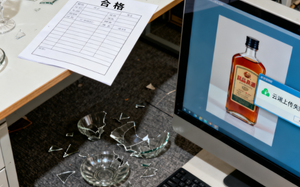
I. Traceability Mechanism: Fragmentation of Process Records The current traceability system for e-commerce product inspections has significant shortcomings that make it difficult to support liability determination. Firstly, the record dimensions are incomplete. Most merchants only record "inspection results (qualified/disqualification)", without recording key details such as inspection time, testing items, used equipment, and inspector information, making it impossible to restore the inspection scene at that time. In a post-sale dispute, a consumer complained that the received household appliances had functional faults, but the merchant could only provide a "qualified" inspection result, unable to prove that the function was tested at the time of inspection, resulting in a disadvantageous situation; Secondly, evidence retention is insufficient. The photos and videos taken during the inspection are mostly "partial shots" and do not cover the entire product and key parts, and they are not uploaded to the cloud simultaneously, making them prone to loss or tampering. For example, a consumer received broken glass tableware, and the merchant claimed that there was no damage during the inspection, but could only provide a photo of the front of the tableware, unable to prove that there were no hidden cracks on the side; Thirdly, there is a gap in traceability in the logistics link. Most logistics companies only record the receiving and dispatching information, but do not record the temperature and humidity, as well as the vibration conditions during transportation (for fresh and fragile products), making it impossible to determine whether the damage occurred during the transportation process.
These "fragmented" records result in a lack of a complete chain of evidence when dealing with after-sales disputes, making it difficult to determine responsibility and thus hindering the resolution of the disputes.
II. Shifting Blame: The "Consumption War" of Multi-party Negotiation
The absence of a traceability mechanism directly leads to the "passing the buck" of responsibility in post-sale disputes. Merchants accuse the inspection agency of "not detecting the problem", arguing that the product already had hidden flaws during the inspection process; the inspection agency accuses the logistics party of "damage during transportation", claiming that the product was qualified during inspection and the damage occurred during transportation; the logistics party then accuses the consumer of "manually damaging the product", refusing to take responsibility. The three parties shift the blame on each other, with no one taking the initiative to assume responsibility, and ultimately the conflict is passed on to the consumers.
The 2024 e-commerce after-sales dispute survey shows that the average handling period for "inspection - logistics liability determination" disputes is 7 days, which is 3.5 times longer than that of ordinary disputes (2 days), and the consumer satisfaction rate is only 35%, far below the industry average (70%). What's more serious is that the shifting of responsibility will lead to "secondary disputes": due to the unresolved problems, consumers will file complaints with the platform or report to the regulatory authorities, causing the merchants to face platform penalties (such as deduction of points, reduction of ranking); if the consumers expose the issue on social platforms, it will also trigger negative public opinion. A cosmetics merchant was exposed by consumers on Xiaohongshu due to the shifting of responsibility in 2024. Within 3 days, it lost 12,000 followers and its sales dropped by 30%.
III. Derived Issues: Loss of Consumer Trust and Damage to Industry Reputation
The long-standing problem of responsibility definition has led to a continuous decline in consumers' trust in e-commerce platforms. The 2024 e-commerce consumer survey shows that 42% of consumers state that "they are afraid of being shirked of their responsibilities after purchase and thus do not dare to buy high-value goods (such as household appliances, luxury items) on e-commerce platforms"; 35% of consumers will permanently abandon the platform after experiencing a responsibility shirking dispute. The shift in consumption of high-value goods is particularly evident; consumers are more inclined to choose offline physical stores - where they can inspect the goods on-site, have clear responsibility for after-sales service, and avoid getting trapped in the predicament of multiple parties' shirking of responsibility.
From an industry perspective, frequent disputes over responsibilities have also damaged the overall reputation of the e-commerce sector. A report from a retail industry indicates that in 2024, the sales of home appliances in the offline market increased by 12% year-on-year. Part of the reason for this is consumers' concerns about the definition of after-sales responsibilities in e-commerce. This loss of trust not only affects the operation of individual merchants but also hinders the sustainable development of the entire e-commerce industry.
Our targeted solution: Full-chain traceability to resolve trust crises
We rely on the "full-dimensional traceability system + liability definition support", "process traceability + blockchain evidence storage", to clearly define liability.
Establish a comprehensive traceability system and retain a complete chain of evidence
The inspection and verification service realizes "full information recording + full scene evidence storage":
Detailed records: including the time and location of inspection, the name of the inspector (with qualification certification number), the model of the testing equipment (such as color difference meter number), and the test data (original values rather than "qualified / unqualified");
Comprehensive evidence preservation: taking photos of the entire product (360° video), key parts (such as clothing seams, appliance interfaces), and the testing process video, uploading them to the cloud in real time (supporting permanent access), and synchronizing blockchain for evidence preservation;
Logistics connection: connecting with the logistics system, synchronizing transportation temperature and humidity, vibration data, and clearly identifying whether the product damage occurred during the transportation process.
An e-commerce merchant, through this system, shortened the post-sale dispute handling period from 7 days to 2 days, and increased consumer satisfaction from 35% to 80%.
Share this product
The responsibility for e-commerce after-sales disputes is difficult to
In e-commerce after-sales disputes, "the determination of the connection between inspection and product damage" is the core problem.