

What does "export factory inspection" mean? Is it necessary? What types are there? What is the process?
A Comprehensive Analysis of Foreign Trade Factory Inspections: The Key to Entering the Global Market and the Foundation of Quality
In today's era of deeply integrated global supply chains, foreign trade factory inspections have become the common language and entry requirement for international business cooperation. It refers to the systematic and standardized on-site assessment and certification of manufacturing factories by independent third-party inspection agencies, based on the requirements of international buyers or brand owners, to ensure that they meet international standards in terms of social responsibility, quality system, environmental management, and safety compliance. This is not merely a simple inspection; it is a strategic activity for building a transparent, trustworthy, and sustainable supply chain.
I. Foreign Trade Factory Inspection: Definition and Core Driving Forces
Foreign trade factory inspection refers to a process where an independent third-party inspection and certification institution conducts a comprehensive review of the production environment, management system, and operational practices of the factory. The core objective is to verify whether the supplier has the ability to continuously and stably produce products that meet the requirements, and to ensure that its operations comply with laws and ethical norms.
Its development background is deeply rooted in the demand for supply chain transparency brought about by globalization. International brands, retailers and consumers are increasingly concerned about the stories behind the products - whether they were produced by workers who are treated fairly? Whether they are environmentally responsible? And whether the production process is safe and controllable? Therefore, managing supply chain risks through professional factory inspections and certification has become a standard practice for responsible international procurement.
II. Why is factory inspection in foreign trade indispensable?
Compulsory requirements for market access: For the vast majority of international brands, passing the designated factory inspection is a mandatory prerequisite for becoming a qualified supplier and is the "passport" for obtaining long-term orders.
The prerequisite guarantee for quality management: Factory inspection thoroughly assesses the factory's systems and processes, rather than merely inspecting the final products. This helps prevent batch quality issues at the source, reducing the risk of failure during later inspections and the cost of after-sales services.
Brand Reputation and Risk Management: In the era of social media, any ethical or environmental scandals occurring at the supply chain level could have a devastating impact on the brand. Social responsibility audits and environmental audits serve as the firewall protecting the brand value.
Driving continuous improvement within the factory: The systematic factory inspection audits provide the factory with a mirror to benchmark against international standards, effectively identifying management blind spots and promoting the optimization of processes, improvement of efficiency, and enhancement of overall competitiveness.
III. Main Types and Certification Systems of Foreign Trade Factory Inspections
Based on the inspection priorities, foreign trade factory inspections are mainly divided into four categories. Enterprises usually need to undergo one or more combinations of these audits.
Factory Audit Types Core Audit Objectives Primary Associated Standards/ Certification Systems Key Concerns
Social Responsibility Audit To ensure ethical production and safeguard labor rights BSCI, SMETA, SA8000, WRAP, RBA Work hours and wages compliance, prohibition of child labor/forced labor, health and safety, freedom of association
Quality System Audit To assess the ability to consistently produce qualified products ISO 9001, IATF 16949 (Automotive) Process control, document management, inspection and testing procedures, corrective and preventive measures, traceability
Anti-terrorism and Security Audit To ensure supply chain security and comply with customs requirements C-TPAT, GSV, SCAN Physical security, personnel safety, information security, access control, container sealing
Environmental Management System Audit To assess environmental performance and compliance ISO 14001, Higg FEM Waste management, emission control, energy and resource usage, chemical management
IV. Systematic Response: The Whole Process Management of Foreign Trade Audit
To successfully pass the audit, factories need to establish a systematic management loop rather than responding temporarily.
Preparatory work (system and hardware construction):
Document system review: Systematically organize all compliance-related documents, such as licenses, environmental protection approvals, complete records of employee working hours and wages, various inspection and certification reports, etc.
On-site hardware rectification: Improve the working environment, safety facilities, fire protection, and environmental protection equipment in accordance with standards.
All-staff training and promotion: Ensure that from the management level to the front-line employees understand the factory inspection requirements and clearly define their own responsibilities.
Audit Execution (On-site Performance and Communication):
The auditor will conduct a comprehensive assessment through methods such as document review, on-site inspection, and employee interviews. The factory is required to maintain an open and transparent attitude and provide true information and records.
Later improvements (closed-loop and enhancement):
After receiving the factory inspection report, an immediate corrective action plan (CAPA) is formulated for the non-conformities, including root cause analysis, corrective measures, responsible persons and completion deadlines.
Complete the rectification on time and submit the evidence. More importantly, internalize the requirements of the factory inspection standards into the daily management system to achieve continuous compliance.
V. Common Causes of Failure and Strategic Value
Factory inspection failures often result from the absence of document records, non-compliance with on-site conditions, and inconsistent employee interviews. To address such failures, the key lies in immediately initiating professional and transparent rectification measures and maintaining active communication with the client.
From a strategic perspective, successfully obtaining and maintaining the factory inspection certification can bring long-term value to the factory:
Enhance market credibility: Obtain the "credit endorsement" for entering the international market and enhance the brand image.
Optimize operational management: Promote the standardization of production processes, reduce costs, and enhance efficiency.
Deepen customer cooperation: Build trust and become the preferred partner for customers when they seek a stable and reliable supply chain.
VI. How to Select a Professional Third-party Factory Inspection Agency
Selecting a reliable partner is the key to success. Key factors to consider include:
Qualifications and credibility: Whether there is internationally recognized auditing qualification (such as being recognized by relevant standard organizations).
Industry experience and expertise: Whether you are familiar with the characteristics of your industry and the standards of the target market.
Service network and digitalization capabilities: Can it provide efficient and transparent services, such as a digital reporting platform?
VII. Future Trends: Deep Integration of Digitalization and ESG
The foreign trade factory inspection process is evolving towards a more intelligent and integrated direction:
Digitalization and Remoteization: By leveraging IoT sensors, VR panoramic technology, and remote video audits, etc., we can achieve more efficient remote factory inspections.
Deep integration of ESG: The factory inspection content will be more deeply integrated with a wide range of ESG issues such as carbon emissions and circular economy, and will become a core assessment dimension.
Data-driven continuous monitoring: Shift from periodic on-site audits to data-based continuous supply chain risk monitoring and performance evaluation.
Share this product
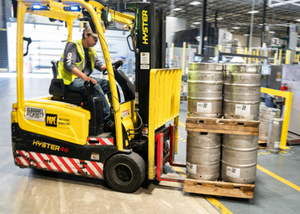
What does "export factory inspection" mean? Is it necessary? What type
A Comprehensive Analysis of Foreign Trade Factory Inspections: The Key to Entering the Global Market and the Foundation of Quality