

What is the paper box drop test / box drop test? What are the standards for the paper box drop test? What is the height of the paper box drop test? What is the process of the box drop test?
Box drop test: Evaluation of packaging reliability from the perspective of inspection and certification
In the manufacturing and global logistics system, the paper box drop test (also known as the box drop test) is a crucial verification process. It directly determines whether the product can safely complete its journey from the production line to the end consumer. This test scientifically assesses the protective performance of the packaging for the contents by simulating the possible impacts during transportation. It is an indispensable part of supply chain quality control. Especially in regions with a high concentration of manufacturing and a large volume of exports, it is of great significance for ensuring the effectiveness of pre-shipment inspection and reducing the risk of cargo damage.
I. The Core Principles of Drop Testing and Its Positioning in Quality Control
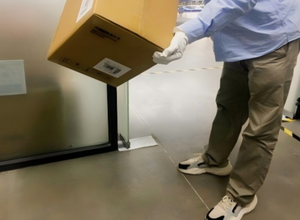
The paper box drop test is a standardized evaluation method. Its core lies in simulating the random impacts that the package may endure during loading, handling, and transportation. By releasing fully-loaded test paper boxes from a preset height in a specific direction (face, edge, corner), it can directly expose potential flaws in the material strength, structural design, and buffering protection of the packaging.
In the quality control system, the drop test goes beyond the scope of simple physical tests. It is a crucial empirical step in the product inspection and certification process. Its significance lies in:
Risk preemption: By proactively identifying packaging weaknesses before product shipment, defects can be prevented from entering the logistics process, thereby significantly reducing the high costs associated with returns, exchanges, and customer claims.
Decision Support: Provides data-based decision-making basis for packaging design and material selection, helping enterprises optimize the balance between cost and protection performance.
Standard compliance certificate: Conducting drop tests in accordance with international or customer-defined standards is an important certification evidence that demonstrates the product meets the transportation safety requirements of the target market, and helps maintain the brand reputation.
II. International Standardized Testing Criteria: Guidelines for Professional Inspection
Professional drop tests must adhere to recognized international standards to ensure the reliability, comparability and authority of the test results. The two core standard systems include:
ASTM D5276: This standard specifies the system method for conducting a free drop test on loading containers. It clarifies the requirements for the test equipment, the impact surface, and the preparation of the test samples. However, the specific drop height, number of drops, and direction usually need to be determined in conjunction with other technical documents or customer specifications.
ISTA series standards: The standards of the International Safety Transportation Association (ISTA) are more in line with actual transportation scenarios. Among them, ISTA 1A (packages weighing ≤ 68kg) and ISTA 2A (partially simulating transportation tests) are the most commonly used drop test procedures for pre-shipment inspection. They specify in detail the drop height based on the package weight, strict drop sequence (such as corners, edges, surfaces), and the final judgment criteria.
In the third-party inspection service, the inspectors will strictly follow the agreed-upon standards in the contract (which may be ASTM, ISTA or the specific standards of the buyer) to conduct tests, ensuring the standardization of the inspection process and the credibility of the results.
III. Standardized Testing Process: Framework for Professional Inspection
A standard drop test, in the inspection process, typically includes the following key steps:
Sample preparation: Select the goods to be shipped, use the exact packaging materials and methods as those used in mass production to package the products, and simulate the actual shipping situation.
Parameter setting: Based on the applicable standards and the gross weight of the product, determine the drop height, test sequence (such as dropping from the apex to the rear edge, then to the edge of the side, and finally to the flat surface), and the total number of drops.
Test execution: Qualified inspectors conduct the drop test on the approved testing equipment in the prescribed sequence and at the specified height.
Result verification and evaluation:
After each fall, check whether the outer box has any unacceptable damage, deformation or cracking.
After completing the entire sequence, open the box to conduct a comprehensive inspection of the product, evaluating whether its functions, appearance and structure have been damaged.
Report and Judgment: Detailed records are made of the testing conditions, procedures, and product status, and a clear conclusion of "pass" or "fail" is provided. This inspection report serves as the core basis for determining whether the packaging plan for this batch is approved for release.
IV. The Core Role of Pre-Shipment Inspection (PSI)
Pre-Shipment Inspection (PSI) is the final quality checkpoint before goods leave the factory. Integrating drop test into the PSI process holds extremely high strategic value:
Batch risk verification: By testing representative samples of the current batch of goods, the reliability of the packaging scheme adopted for the entire batch is verified to prevent damage during large-scale transportation.
Compliance final inspection: Confirm that the product packaging complies with the mandatory transportation safety requirements of the destination country or major retailers, avoiding customs clearance and receiving obstacles.
Supply chain issue traceability: In case of test failure, the third-party inspection agency not only provides objective evidence but also helps analyze the causes (whether it is a design defect, material issue, or improper packaging process), prompting the supplier to make targeted improvements, thereby achieving continuous improvement in supply chain quality.
V. Far-reaching Impact on Packaging Optimization and Supplier Management
The results of the drop test directly influence an enterprise's packaging strategy and supplier evaluation:
Driving packaging design optimization: The test data provides direct feedback for selecting the more suitable corrugated board grade, adjusting the internal buffering structure, and optimizing the box design, serving as a scientific approach to achieving the optimal balance between packaging cost and protection efficiency.
It becomes an important indicator for supplier inspection and certification: During the supplier inspection or admission review process, checking whether they have the standardized drop test capabilities and awareness, or whether they cooperate with third-party inspections for testing, is an important dimension for evaluating their quality management maturity. Continuous good test performance can serve as a positive basis for supplier certification and performance rating.
Share this product
What is the paper box drop test / box drop test? What are the standard
In the manufacturing and global logistics system, the paper box drop test (also known as the box drop test) is a crucial verification process.