

A Comprehensive Guide to the Inspection and Certification of sofa Products
Nowadays, the sofa has become one of the essential pieces of furniture in people's homes. During the inspection process, the inspector needs to conduct a systematic inspection of the sofa from multiple dimensions such as appearance, practicality (ergonomics), and durability. Meanwhile, the factory audit and product certification of suppliers are also important links to ensure the consistency of quality. The following are the inspection standards and specific contents for sofas.
I. Appearance Inspection (Basic Inspection)
During the appearance inspection of the sofa, the inspector should check the following items one by one:
Corner combination: After placing the sofa, observe whether the corners are regular. Touch the armrests and sharp corners to check if there are any empty corners and if the elasticity of the sponge is good.
Size: Measure strictly in accordance with the confirmed pre-production sample size, and the tolerance should meet the requirements.
Leather/fabric:
When the factory receives materials, check whether the color, texture, softness, etc. conform to the confirmation sample.
The leather/fabric should be moderately soft and hard, not too hard, and have no odor.
The skin feels smooth, plump and elastic, without any unevenness or wrinkles. The pattern of the fabric splicing for the fabric sofa should be complete, the direction of the pile should be consistent, and there should be no shedding.
Use both hands to peel open the leather part and check for any fine cracks. The leather or fabric should be free of fading, oil stains and residual spots.
Color: The product color must be consistent with the confirmed sample, and the overall color should be uniform without color difference. The color of different batches of the same order is consistent. For brightly colored fabrics or leather, you can wipe the surface a few times with a white towel to check if the color fades (color fastness test).
Lathe operator: The lathe lines are fine, without obvious floating lines. The embedded lines are smooth and straight, without exposed line ends, and the rounded corners are evenly distributed. The exposed nails are neatly arranged, without any white patches or gaps. The stitches are intact without any cracks.
External wooden parts: The surface is delicate and smooth, free of knots, planing marks, horizontal stubble, reverse grain, grooves and mechanical damage. There should be no burrs when touched by hand, and the outside should be chamfered. The rounded corners, arcs and lines should be symmetrical, uniform, straight and smooth, without any knife marks or sand marks.
External painted/electroplated parts: The painted parts have no paint sticking or peeling, with a bright surface and no dust spots. The electroplated parts have no cracks, peeling or rusting on the coating.
Packaging and hardware: The packaging is intact, the hardware package is complete and undamaged. The content of the shipping marks on the outer box is correct and clear.
The above appearance inspection results should be recorded in the inspection report and serve as the basis for evaluating the factory's technological level during the factory inspection.
Ii. Practicality Testing (Ergonomics and Safety Inspection)
Whether a sofa conforms to ergonomics is directly related to its comfort and safety performance.
Sitting sensation: When the body falls freely on the sofa, feel whether the elasticity is consistent with the prenatal confirmation sample, and there should be no feeling of sitting on a wooden frame.
Armrests and backrests: When pressed by hand, the leather or fabric is neither too hard nor too soft, and there is no obvious feeling of a wooden frame.
Abnormal noise: When the seat surface and back are lifted and pressed by hand, there is no abnormal metal friction or impact sound.
Safety edge: Exposed metal parts have no burrs on the cutting edge. Insert your hand into the burr-free cutting edge in the gap between the seat surface and the armrest or backrest. During normal use, no sharp metal objects should protrude from the seat surface or back.
Skin irritation: When touching the surface of the sofa for a long time, the fabric should not cause any irritation to the skin. Check whether the fabrics used on the front and back of the sofa are consistent.
This inspection is related to the consumer experience of the product and the requirements for safety certification.
Iii. Durability Testing (Structural Strength and Life Inspection)
Wooden frame: Check if the moisture content of the wood is too high (it should be ≤12%), the wood should be regular and solid, and the wooden frame should be stable. The internal sponge is clean, dry and odorless. Check the matching throw pillows and touch the interlining and filling with your hand.
Functional chair: Check whether its functions are complete and its movements are smooth.
Sofa legs: The metal feet have no rust marks and the weld points are not loose. The wooden feet have no cracks.
Hardware: The nail guns are neatly arranged, the structure is firm, and there is no loosening or falling off.
Leather abrasion resistance: You can rub the leather surface with a coarse cloth to test its abrasion resistance. This is an important indicator of durability in the certification.
Iv. Association between Factory Audit and Certification
Supplier factory inspection: It is necessary to verify the processes of wooden frame processing, sponge cutting, leather palletizing, sewing, packaging, etc. of the sofa manufacturing enterprise. Calibration records of testing equipment (moisture content meters, tensiometers, hardness testers, etc.); Qualifications of inspection personnel; And certification certificates of raw materials (leather, sponge, wood) (such as CARB, REACH, OEKO-TEX®, etc.).
Product certification: Sofas exported must comply with the certification standards of the target market (such as the US CAL 117/133 flame retardant standard, the UK BS 5852, the EU REACH regulation, etc.). When inspecting the goods, check the consistency between the product labels, tags and certifications.
Continuous improvement: For non-conformities identified during inspection (such as color differences, poor wiring, and abnormal odors), a rectification report should be formed, followed up in a closed loop through factory inspection, and a quality traceability file should be established.
Through the above-mentioned inspection, testing, factory inspection and certification processes, it can be ensured that the sofa products fully meet the standards in terms of comfort, durability, safety and environmental protection, and satisfy the market access requirements at home and abroad. It is hoped that this guide can help inspectors and purchasers better control the quality of sofas. For more inspection knowledge, please keep an eye on the relevant industry news.
Share this product
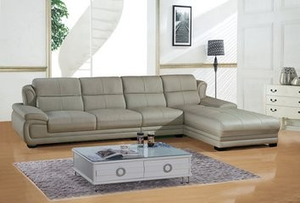
A Comprehensive Guide to the Inspection and Certification of sofa Prod
A Comprehensive Guide to the Inspection and Certification of sofa Products