

Camping Wagon Inspection Checklist: How to Reduce Quality Risks Before Shipment
Camping Wagon Inspection Checklist: How to Reduce Quality Risks Before Shipment
Camping wagons, also known as folding wagons or collapsible utility carts, are widely used for camping, outdoor activities, gardening, shopping, and transporting equipment. Although their designs may look simple, these products combine frames, wheels, fabric, handles, folding mechanisms, and locking components. A defect in any of these parts can affect usability, durability, and customer satisfaction.
For importers, retailers, and private-label brands, camping wagon inspection is an important part of quality control before shipment. A structured inspection helps identify workmanship defects, assembly problems, functional failures, packaging issues, and potential safety risks before products leave the factory.
Working with a professional third-party inspection company can provide an independent assessment of product quality and help buyers make more informed shipment decisions.
1. Why Is Camping Wagon Inspection Important?
Camping wagons are frequently folded, unfolded, loaded, pulled, pushed, and transported over different surfaces. These repeated operations can expose weaknesses that may not be obvious during a basic visual check.
Common quality risks include:
-
Bent or poorly welded metal frames
-
Loose screws, bolts, rivets, or other fasteners
-
Wheels that wobble, bind, or detach
-
Folding mechanisms that jam or fail to lock
-
Handles that are loose or difficult to operate
-
Fabric with weak stitching, tears, or uneven seams
-
Incorrect product dimensions or weight specifications
-
Missing accessories or assembly instructions
-
Cartons that provide inadequate protection during transportation
If these problems are discovered only after delivery, buyers may face customer complaints, returns, replacement costs, and damage to their brand reputation.
A pre-shipment inspection helps identify these issues before the goods are released for shipment.
2. Camping Wagon Inspection Checklist
A comprehensive inspection should cover product appearance, materials, construction, dimensions, functionality, accessories, labeling, and packaging.
2.1 Visual Appearance and Workmanship
Inspect the overall appearance of the camping wagon under adequate lighting.
Check the following items:
-
Scratches, dents, cracks, and visible deformation
-
Rust, corrosion, or exposed metal surfaces
-
Uneven paint, coating defects, or color differences
-
Poor welding, sharp edges, or rough finishing
-
Fabric stains, holes, fraying, and loose threads
-
Uneven stitching or poorly finished seams
-
Misaligned components and inconsistent assembly
-
Visible glue marks or other workmanship defects
Defects should be recorded with clear descriptions and photographs. The inspector should compare the actual products with approved samples, product specifications, and the buyer's acceptance criteria.
2.2 Frame and Structural Construction
The frame supports the load carried by the wagon and connects many of its moving components. Structural defects may affect stability, durability, and safe operation.
Inspect:
-
Frame alignment and overall shape
-
Metal tube deformation or inconsistent dimensions
-
Weld quality and visible welding defects
-
Connections between the frame and support brackets
-
Bolts, screws, rivets, and other fasteners
-
Loose joints, unusual movement, or unstable connections
-
Corrosion protection and surface finishing
-
Folding joints and pivot points
Where required by the product specification, the inspection plan may include additional structural or load-related tests. Acceptance criteria should be agreed upon in advance and based on the intended use of the product.
2.3 Wheels, Axles, and Braking Components
Wheel problems can make a camping wagon difficult to maneuver and may create safety concerns.
Check:
-
Wheel installation and alignment
-
Wheel rotation and smoothness
-
Unusual noise, resistance, or wobbling
-
Tire cracks, deformation, or visible damage
-
Axle connections and retaining components
-
Wheel clearance from the frame
-
Brake operation, if the model includes brakes
-
Stability when the wagon is moved and turned
The inspector should operate the wheels under normal conditions and record any binding, excessive looseness, or other abnormal behavior.
2.4 Folding Mechanism and Locking System
The folding mechanism is one of the most important functional areas of a collapsible camping wagon. It should operate smoothly and secure the product in its intended positions.
Inspect and test:
-
Opening and folding operations
-
Locking and unlocking mechanisms
-
Latches, hinges, and connecting joints
-
Unexpected resistance or jamming
-
Loose or misaligned moving components
-
Stability when the wagon is fully opened
-
Whether the wagon remains in the intended position during normal operation
-
Pinch points and accessible sharp edges
Repeated operation tests may be included when specified by the buyer or required by the product design. The number of cycles and acceptance criteria should be defined before inspection.
2.5 Handle and Steering Functionality
The handle affects how the user pulls, pushes, and controls the wagon.
Check:
-
Handle installation and attachment strength
-
Telescopic adjustment, where applicable
-
Locking of adjustable handle positions
-
Smooth extension and retraction
-
Handle grip condition and finishing
-
Steering response and maneuverability
-
Unusual looseness or excessive movement
-
Sharp edges or uncomfortable finishing
If the wagon has a multi-position handle or adjustable pulling angle, the inspector should verify the specified positions and locking functions.
2.6 Fabric, Seams, and Stitching
Many camping wagons use polyester or other textile materials for the cargo compartment. Fabric quality can influence appearance, durability, and the ability to carry the intended load.
Inspect:
-
Fabric type, color, and appearance
-
Tears, holes, stains, and surface damage
-
Stitching density and seam consistency
-
Reinforcement around stress points
-
Fabric attachment to the frame
-
Hook-and-loop fasteners, zippers, snaps, or buckles
-
Pockets and other sewn-on accessories
-
Removable fabric liners, where applicable
Any water-resistance, UV-resistance, or fabric-strength claim should be evaluated using the agreed specifications and appropriate test methods. A visual inspection alone cannot confirm these performance properties.
2.7 Dimensions, Weight, and Product Specifications
Incorrect dimensions can affect product usability, shipping arrangements, and compliance with buyer requirements.
Verify the applicable specifications, such as:
-
Overall dimensions when unfolded
-
Folded dimensions
-
Cargo compartment dimensions
-
Handle length and adjustment range
-
Wheel diameter
-
Product weight
-
Frame and fabric colors
-
Model number and product identification
-
Stated load capacity and related markings
Measurements should be compared with approved drawings, samples, or purchase-order specifications. Tolerances should be agreed upon before inspection rather than determined after defects are found.
2.8 Load Capacity and Functional Testing
A camping wagon's advertised load capacity is an important product claim. However, a simple visual inspection cannot establish whether the product meets that claim.
When required, load-related testing should follow an agreed procedure that defines:
-
The test load and loading distribution
-
Test duration and operating conditions
-
Whether the wagon is stationary or moved during testing
-
The surfaces and operating conditions used
-
Permitted deformation or other acceptance limits
-
Signs of frame failure, joint loosening, or component damage
Testing should be performed by appropriately equipped personnel under controlled conditions. Do not exceed the manufacturer's approved test limits or improvise a load test without a defined procedure.
For products intended for children or other specific users, additional safety requirements may apply depending on the design, market, and intended use.
2.9 Accessories, Labels, and Instructions
Missing parts and incorrect product information can lead to complaints even when the main product appears acceptable.
Check that the shipment includes the required:
-
Assembly or user instructions
-
Product labels and model identification
-
Warning labels, where applicable
-
Spare parts and accessories listed in the purchase order
-
Carrying bags or storage covers, if included
-
Warranty cards or other required documents
-
Barcode labels and retail identification
Confirm that the language, artwork, product information, and warning statements match the approved packaging files and destination-market requirements.
2.10 Packaging and Carton Inspection
Camping wagons can be heavy or bulky, and their metal frames and wheels may damage cartons if packaging protection is insufficient.
Inspect:
-
Carton strength and overall condition
-
Correct product model and quantity
-
Protective bags, foam, cardboard, or other inserts
-
Protection for wheels, frame corners, and exposed metal parts
-
Internal movement and component contact
-
Moisture, dirt, or water damage
-
Shipping marks, barcodes, and carton labels
-
Packaging dimensions and gross weight, when specified
Packaging checks should confirm that the product is packed according to the approved packing method and is reasonably protected against the expected handling and transportation conditions.
3. When Should You Arrange a Camping Wagon Inspection?
The appropriate inspection stage depends on production progress, order size, product complexity, and the buyer's quality requirements.
During Production Inspection (DUPRO)
A During Production Inspection can be useful when production is underway and a buyer wants to identify recurring workmanship or assembly problems before the entire order is completed.
For camping wagons, this may include reviewing frame construction, welding, fabric sewing, wheel installation, and assembly consistency.
Early findings can give the factory more time to correct problems and reduce the risk of repeating defects across a large batch.
Pre-Shipment Inspection (PSI)
A Pre-Shipment Inspection is generally arranged when the order is substantially completed and the goods are ready for final verification.
Depending on the agreed inspection scope, the inspector may review:
-
Product quantity and assortment
-
Visual workmanship
-
Product specifications and dimensions
-
Folding and wheel functionality
-
Selected structural or functional tests
-
Accessories and labeling
-
Packaging and carton condition
A PSI provides the buyer with information about the condition of the inspected sample or shipment at the time of inspection. It does not guarantee that every unit is defect-free.
Container Loading Supervision
For larger orders or shipments with specific loading requirements, Container Loading Supervision can help verify the loading process.
Checks may include container condition, product and carton quantities, loading arrangements, cargo protection, and the consistency of the goods being loaded with the approved shipment details.
The service scope should be agreed upon before loading begins.
4. How Does AQL Sampling Work for Camping Wagon Inspection?
For many commercial orders, buyers use an acceptance sampling plan based on an agreed AQL (Acceptable Quality Limit) standard or another documented sampling procedure.
The sampling plan helps determine how many units should be inspected and how the results will be evaluated. It should be selected according to order quantity, product risk, buyer requirements, and applicable standards.
Common defect classifications include:
Critical defects: Issues that may create serious safety risks or violate mandatory requirements. Examples depend on the product design and intended use.
Major defects: Problems that may affect normal functionality, durability, or the product's main purpose, such as a folding mechanism that cannot lock properly or a wheel assembly with significant functional problems.
Minor defects: Issues that do not usually prevent normal operation but fall outside agreed quality standards, such as small cosmetic imperfections.
The buyer should define the applicable defect classifications, AQL levels, inspection level, and acceptance and rejection criteria before the inspection.
AQL sampling does not mean that a particular percentage of defective products is automatically acceptable in every context. The result must be interpreted according to the selected sampling plan and the buyer's requirements.
5. Common Camping Wagon Quality Problems Found Before Shipment
Some recurring issues deserve particular attention during factory quality control.
| Common issue | Potential impact | Recommended inspection focus |
|---|---|---|
| Loose frame connections | Instability or premature wear | Fasteners, joints, and assembly |
| Wheel misalignment | Difficult steering and uneven movement | Wheel rotation, alignment, and axles |
| Folding mechanism failure | Product cannot open or fold properly | Repeated operation and locking |
| Poor stitching | Fabric damage during use | Seams and reinforced stress points |
| Incorrect dimensions | Product does not match specifications | Measurements against approved tolerances |
| Missing accessories | Customer complaints and incomplete sets | Packing list and accessory verification |
| Weak packaging protection | Scratches or damage during transit | Carton condition and internal protection |
The inspection report should clearly document observed defects, affected samples, photographs, and the applicable acceptance criteria. This makes it easier for the buyer and supplier to agree on corrective actions.
6. How to Prepare for a Third-Party Camping Wagon Inspection
To make the inspection more efficient, buyers should provide the inspection company with the information needed to evaluate the products consistently.
Prepare the following documents and details:
-
Purchase order and product specifications.
-
Approved sample, product drawings, or reference photographs.
-
Order quantity, model variations, and color breakdown.
-
Required inspection stage and inspection address.
-
Agreed sampling plan and defect classification.
-
Functional test requirements and acceptance criteria.
-
Packaging specifications and carton markings.
-
Destination market and applicable compliance requirements.
-
Requested inspection date and shipment deadline.
Clear requirements help reduce disagreements between the buyer, supplier, and inspector. If a product requires specialized load, durability, chemical, or regulatory testing, confirm the appropriate testing scope separately.
7. Why Use a Professional Third-Party Inspection Company?
Factory self-inspection is useful, but buyers may also need an independent assessment of product quality before shipment.
A third-party inspection service can help buyers:
-
Verify product quality against agreed specifications
-
Identify workmanship and assembly problems before shipment
-
Check product functions and selected performance requirements
-
Review packaging, labeling, and shipment preparation
-
Receive photographic evidence and a documented inspection report
-
Make a more informed decision about shipment release or corrective action
The value of inspection depends on the quality of the inspection criteria, the sampling plan, the inspector's competence, and the scope agreed upon for the order.
Third-party inspection complements supplier quality management; it does not replace proper product design, factory process control, or any required laboratory testing and certification.
8. Arrange Camping Wagon Inspection Before Shipment
Whether you source standard folding wagons or customized camping carts, a clear inspection plan can help identify quality risks before the products reach your customers.
QC Inspection provides quality control and inspection support to help buyers assess products against their requirements. The appropriate service and inspection scope depend on your product, factory location, order quantity, and shipment schedule.
To discuss your camping wagon order, inspection requirements, and timeline, contact our team.
Request an Inspection Quote:
https://qc-inspection.com/pages/contact
Frequently Asked Questions
What should be checked during a camping wagon inspection?
A typical inspection covers visual appearance, frame construction, wheels, axles, folding mechanisms, handles, fabric, dimensions, accessories, labels, and packaging. Additional tests can be included when required by the product specification.
When should I arrange a pre-shipment inspection for camping wagons?
A pre-shipment inspection is generally arranged when production is substantially completed and the goods are ready for final inspection. Confirm that the order is available for inspection before scheduling.
Can a third-party inspector test the load capacity of a camping wagon?
Load-related testing may be included if the procedure, equipment, test load, and acceptance criteria are agreed upon in advance. Specialized or destructive tests may require a separate testing arrangement.
Is AQL sampling suitable for folding wagon inspection?
An agreed AQL-based sampling plan can be used for many commercial inspections. The appropriate sampling level and acceptance criteria depend on the order, product risks, and buyer requirements.
Does a passed inspection guarantee that every camping wagon is defect-free?
No. An inspection provides findings based on the agreed scope, timing, and sampling method. Sampling inspection cannot guarantee that every unit in the shipment is free of defects.
What information is needed to request a camping wagon inspection?
Buyers should provide the product specifications, order quantity, factory location, target inspection date, packing details, and any required functional tests or acceptance criteria.
To discuss your requirements, visit: https://qc-inspection.com/pages/contact
Share this product
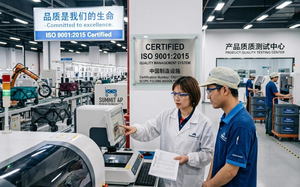
Camping Wagon Inspection Checklist: How to Reduce Quality Risks Before
Learn how to inspect folding camping wagons before shipment. Check frame strength, folding locks, wheels, brakes, fabric, packaging, and AQL sampling to reduce product quality risks.