

Deep Inspection of the Electronic System of Excavators - Decoding the "Secrets in the Computer"
Modern excavators have become highly electronically controlled. Mechanical inspections alone are no longer sufficient. Only by understanding the "black box" of the electronic system can one accurately determine the actual condition.
Read the triple comparison of "actual working hours"
The hours of the instrument, the ECM (engine computer), and the pump controller should be basically the same.
Difference exceeds 10% → There is suspicion of a malfunction in the meter; if the pump-controlled hours are significantly lower than the metered hours, it indicates that replacement or removal of parts has occurred.
2. Idle Time Ratio Analysis
Enter the monitoring menu and view the "Idle Time Ratio":
Normal operation machines: 20% - 35%
Less than 10% → The number of hours has been deliberately lowered (long-term idling has not been recorded)
Above 50% → The machine runs idly in one place for a long time, causing little wear but the electrical system ages rapidly.
3. Historical Fault Code "Timestamp"
Record the occurrence time (in hours) of each fault code. If multiple severe fault codes occur within a certain few hundred hours, it indicates that a major failure occurred during that period. Further inquiries into the maintenance records are necessary.
4. Deviation of Fuel Correction Value
Read the long-term fuel correction value (Long Term Fuel Trim) using the diagnostic instrument. It should be within ±5% as normal.
More than +10% → Injector blockage or air intake system leakage
Below -10% → Injector leakage or excessive fuel pressure
5. Abnormal regeneration frequency
(For Tier 4/Stage V models with DPF) Query the DPF regeneration record:
Normal: Once every 50 to 100 hours
Less than 30 hours before regeneration → Engine burns oil or the fuel injector atomization is poor, significantly reducing the lifespan of the after-treatment system
6. Sensor "drift value"
When entering the data stream, compare during the cooling process:
The intake air temperature, water temperature and fuel temperature should be close to the ambient temperature (with a difference of ±3℃).
Excessive deviation → The sensor has been tampered with or damaged, used to conceal the history of high-temperature operation
7. CAN Bus Interference Check
Use an oscilloscope (or advanced diagnostic instrument) to observe the CAN waveform. If the noise is severe and the voltage is abnormal → The circuit has been waterlogged, short-circuited, or has been equipped with inferior electrical equipment, which can cause intermittent "system crash" faults.
8. Operating habit storage records
Some brands store the maximum rotational speed, the maximum load rate, and the number of over-speed occurrences. If these limit values are frequently reached, it indicates that the equipment has been operated abusively and the structural fatigue is high.
Share this product
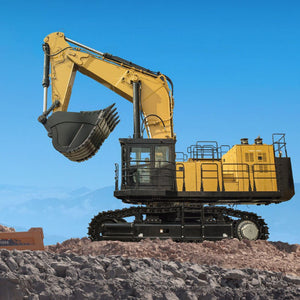
Deep Inspection of the Electronic System of Excavators - Decoding the
Modern excavators have become highly electronically controlled. Mechanical inspections alone are no longer sufficient.