
Pet Chew Toy Inspection: Quality Control Checklist
Pet Chew Toy Inspection: Quality Control Checklist
Pet chew toys are widely sold through cross-border e-commerce channels and come in many designs, including rubber chew toys, rope toys, canvas toys, and bone-shaped products. Although these products may look simple, they can present quality and safety challenges because pets repeatedly bite, pull, twist, and chew them during normal use.
Common quality concerns include loose fragments, torn fabric, weak seams, detached components, unusual odors, and materials that may require additional chemical safety testing. Poor packaging, incorrect product specifications, and incomplete labeling can create further problems during fulfillment and international transportation.
For importers, private-label brands, wholesalers, and e-commerce sellers, a structured inspection plan helps identify visible defects and specified performance issues before products leave the factory. It also helps verify that the goods match the approved sample, purchase order, packaging requirements, and applicable market requirements.
This guide explains the key risks, inspection stages, product checks, and practical quality control measures for pet chew toys.
1. What Are the Main Quality Risks in Pet Chew Toys?
Pet chew toys are designed for repeated contact with an animal's mouth and may be exposed to substantial pulling, twisting, and biting forces. Inspection requirements should therefore reflect the product's intended use, construction, materials, and foreseeable failure modes.
1.1 Physical Integrity and Choking Hazards
Rubber, textile, rope, and composite chew toys can fail in different ways. Rubber products may crack or shed fragments; textile products may develop open seams or loose threads; rope toys may fray; and multi-part products may lose attached components.
Potential warning signs include:
-
Cracks, tears, splits, or weak bonding points
-
Loose threads, unraveling rope, or exposed filling
-
Small components that detach during appropriate checks
-
Sharp edges or fragments created by breakage
-
Product dimensions or shapes that do not match the approved specification or intended pet size
A visual inspection alone cannot establish whether a chew toy will withstand prolonged use. Where appropriate, inspectors should carry out agreed pull, twist, seam-strength, or other integrity checks using documented methods and acceptance criteria.
No single on-site test can guarantee that a product is safe for every animal or every chewing behavior. Test methods should be selected according to the design, intended use, and relevant safety requirements.
1.2 Material and Chemical Safety Concerns
A product may look acceptable while still requiring further investigation into its material composition. Depending on the materials and destination market, relevant concerns may include restricted heavy metals, phthalates, polycyclic aromatic hydrocarbons (PAHs), or other regulated substances.
Unusual chemical odors, inconsistent raw materials, and unexplained changes in color or texture can be reasons to investigate further. However, smell and appearance are not reliable methods for determining chemical compliance.
For higher-risk materials or markets with specific restrictions, buyers should review supplier declarations, material documentation, and applicable laboratory test reports. Additional laboratory testing may be needed to determine whether the product meets the requirements relevant to its intended market.
1.3 Packaging, Labeling, and Shipment Risks
Packaging problems can lead to damaged goods, missing items, warehouse receiving issues, and customer complaints.
Common issues include:
-
Crushed, torn, dirty, or damp cartons
-
Incorrect quantities or mixed product variants
-
Mismatched SKU, barcode, color, or size information
-
Missing accessories or incorrect retail packaging
-
Incomplete or inaccurate material information and warnings where required
-
Packaging that does not provide adequate protection for the planned shipping and storage conditions
Inspection should compare the actual goods with the purchase order, approved packaging artwork, packing list, and destination-market requirements.
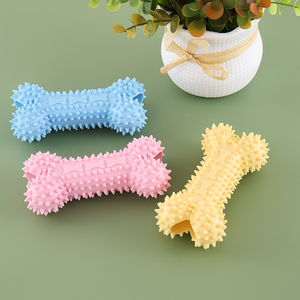
Image 1: Different styles of pet chew toys
ALT text: Different styles of pet chew toys made from rubber, rope, and textile materials.
2. What Does a Standard Pet Chew Toy Inspection Process Include?
Quality control should be planned around production progress and shipment risk rather than relying exclusively on a final inspection. The appropriate stages depend on order size, product complexity, factory performance, delivery schedule, and the buyer's quality requirements.
2.1 Initial Production Check (IPC)
An initial production check takes place when production begins and early units are available for evaluation. Its purpose is to identify problems before they are repeated across a large quantity of goods.
Inspectors may check:
-
Whether incoming materials match the approved specifications and sample
-
Product design, dimensions, color, and construction
-
Rubber molding, textile cutting, stitching, bonding, or assembly quality
-
Initial packaging components and printed information
-
Visible defects, unusual odors, and obvious material inconsistencies
If an early problem is found, the buyer can request corrective action before production proceeds further.
2.2 During Production Inspection (DUPRO)
A during-production inspection is useful when a meaningful quantity of products has been manufactured but there is still time to correct problems.
Key checks may include:
-
Consistency of materials, colors, dimensions, and workmanship
-
Stitching strength, bonding quality, and component attachment
-
Cracks, molding defects, burrs, deformation, or loose fibers
-
Repeated defects across different production lines or batches
-
Packaging consistency and compliance with the approved sample
Where suitable, inspectors can perform agreed physical integrity checks on selected samples. The method, applied force, test duration, and pass/fail criteria should be defined in advance rather than improvised during inspection.
The inspection findings can help buyers decide whether the factory needs to adjust production settings, replace materials, rework defective units, or strengthen process controls.
2.3 Final Random Inspection (FRI)
A final random inspection is generally arranged after production is complete and a sufficient proportion of the order is packed and ready for inspection. The agreed inspection procedure should define the required completion and packing status before the inspector arrives.
A typical final inspection covers:
Appearance and workmanship
-
Cracks, tears, stains, discoloration, deformation, and molding defects
-
Loose threads, open seams, fraying, and weak bonding
-
Missing, loose, or incorrectly assembled components
Dimensions and product specifications
-
Length, width, thickness, weight, and other specified measurements
-
Product style, color, material, and quantity
-
Consistency with the approved sample and purchase order
Physical integrity
-
Agreed pull, twist, seam, or attachment checks where relevant
-
Examination for fragments or components released during testing
-
Review of foreseeable breakage points and construction weaknesses
Packaging and labeling
-
Retail packaging, shipping cartons, and protective materials
-
SKU, barcode, product description, and quantity accuracy
-
Required warnings, traceability information, and other market-specific labeling
Sampling and defect classification
An AQL-based sampling plan may be used to evaluate a shipment, provided the sampling standard, inspection level, defect categories, and acceptance/rejection numbers have been agreed in advance. AQL sampling does not guarantee that every unit is defect-free and should not replace specifically required safety or laboratory tests.
For safety-critical issues, buyers should establish clear escalation and rejection rules. The inspection report should document the sample size, findings, photographs, test results where applicable, and recommended corrective actions.
2.4 Full Inspection and Container Loading Supervision
For orders with a high risk of repeated defects, buyers may consider a full inspection or other additional controls, depending on the product and commercial requirements.
Container loading supervision can help verify:
-
The correct products and quantities are loaded
-
Carton markings and packing details match the shipping documents
-
Cartons are in acceptable condition before loading
-
The container is suitable for loading and free from visible damage, contamination, or moisture concerns
-
Loading arrangements and container sealing follow the agreed instructions
These checks help reduce packing and shipment errors, but container supervision does not replace product safety testing or a proper product inspection.
Explore available inspection options on the QC Inspection website.
3. What Are the Key Inspection Items for Pet Chew Toys?
A practical inspection checklist should reflect the type of toy, materials, construction, intended animal size, purchase specifications, and destination-market requirements.
3.1 Appearance and Workmanship
Check that the product matches the approved sample and has no unacceptable visible defects.
For rubber and molded products, examine:
-
Cracks, holes, flash, burrs, deformation, and incomplete molding
-
Uneven surfaces, color inconsistency, or visible contamination
-
Weak joints, bonding defects, or damaged edges
For canvas, rope, and textile products, examine:
-
Open seams, skipped stitches, loose threads, and fraying
-
Exposed filling or loose textile components
-
Weak attachment points and inconsistent stitching
-
Stains, mold-like marks, and damage caused during handling
The defect limits should be documented in the buyer's specification or inspection criteria.
3.2 Dimensions and Suitability
Measure the product against the approved specifications. Check the dimensions and shape of each variant and verify that the correct product is packed for the intended SKU.
A product that is too small, has an unsuitable shape, or contains detachable components may create risks for some animals. Buyers should define intended pet size and use clearly and review the product design for foreseeable chewing and breakage hazards.
3.3 Physical Integrity and Durability
Select appropriate checks based on product construction. These may include agreed tensile, twisting, seam-strength, attachment, or repeated-use tests.
Inspectors should record:
-
The test method and conditions
-
The sample identification
-
Any breakage, separation, or fragment release
-
Whether the result meets the agreed acceptance criteria
On-site inspection has limitations. A simple pull or twist check cannot fully reproduce long-term chewing, and it should not be presented as proof of complete product safety. More specialized performance evaluations may require dedicated equipment or laboratory testing.
3.4 Material Documentation and Chemical Testing
Confirm that the material description and supplier documentation are consistent with the order. Where relevant, review existing laboratory reports and determine whether they cover the correct product, material, color, and manufacturing source.
Depending on the destination and applicable rules, buyers may need testing for particular restricted substances or other chemical requirements. Requirements differ by jurisdiction and product characteristics, so a single generic checklist cannot establish compliance for every market.
For this reason, inspection findings should distinguish between visible on-site observations and chemical compliance conclusions supported by suitable test evidence.
3.5 Odor, Cleanliness, and Storage Condition
Check for unusual chemical odors, mustiness, contamination, and visible signs of poor storage. These observations can trigger further investigation but cannot identify specific chemicals or establish that a product is non-toxic.
Inspect cartons and products for dampness, dirt, and possible mold contamination. Confirm that storage and packaging practices are appropriate for the materials and expected transportation conditions.
Image 2: Pet chew toy inspection workflow
ALT text: Pet chew toy quality control workflow from initial production checks to final inspection and shipment.
4. Common Mistakes Buyers Should Avoid
Mistake 1: Assuming an Approved Sample Guarantees Bulk Quality
A sample represents only the units evaluated at a particular time. Materials, production settings, assembly quality, and workmanship can vary during mass production.
How to avoid it: Keep an approved reference sample, document critical specifications, and use production-stage or pre-shipment checks appropriate to the order's risk.
Mistake 2: Checking Appearance but Ignoring Material Safety
A product may have an acceptable appearance while still requiring chemical compliance verification. Visual inspection and odor checks cannot establish whether restricted substances are within applicable limits.
How to avoid it: Review the target-market requirements, supplier material information, and relevant laboratory reports. Arrange additional testing when the risk assessment or regulations require it.
Mistake 3: Using an Unsuitable or Undocumented Physical Test
An improvised pull test may produce inconsistent results or fail to represent the product's intended use. A test without defined conditions can also make it difficult to compare suppliers or production batches.
How to avoid it: Agree on the test method, equipment, sample quantity, test conditions, and acceptance criteria before inspection. Use specialized testing where ordinary on-site checks are insufficient.
Mistake 4: Waiting Until Shipment to Discover Repeated Defects
When a production issue affects many units, a final inspection may reveal a problem too late for an easy correction.
How to avoid it: Consider an initial production check or during-production inspection for new suppliers, complex constructions, or orders with limited rework time.
Mistake 5: Treating AQL Sampling as a Safety Guarantee
AQL is a sampling and lot-acceptance approach, not a guarantee that every unit is safe or defect-free.
How to avoid it: Define the sampling plan and defect classification clearly, set appropriate escalation rules for serious safety issues, and arrange separate laboratory or specialized testing where required.
5. How to Choose a Third-Party Inspection Service
When selecting an inspection provider for pet chew toys, consider the following factors:
-
Relevant product experience: The inspector should understand the differences between molded rubber, rope, canvas, textile, and composite products.
-
Clear inspection criteria: The inspection plan should be based on the approved sample, purchase order, product specifications, and agreed testing methods.
-
Documented findings: Reports should clearly identify defects and provide useful photographs, measurements, and test records where applicable.
-
Understanding of testing limitations: The provider should distinguish between on-site inspection and laboratory testing rather than treating them as interchangeable.
-
Suitable inspection coverage: Consider whether initial production checks, during-production inspections, final random inspections, full inspection, or container loading supervision fit the order's risk profile.
-
Practical corrective-action support: Findings should help the buyer communicate with the factory, identify affected products, and arrange rework or reinspection when needed.
Learn more about available services on the QC Inspection website.
6. Frequently Asked Questions
Q1. Is Third-Party Inspection Mandatory for Pet Chew Toys?
Not every shipment is subject to a universal requirement for third-party inspection. Obligations depend on the destination market, product characteristics, applicable laws, and the requirements of the buyer or sales platform.
Even where independent inspection is not mandatory, it can help verify product specifications, identify workmanship problems, and document shipment condition before dispatch.
Q2. What Sampling Standard Should Be Used for Pet Chew Toys?
An AQL-based sampling plan may be appropriate for final random inspection. The sampling standard, inspection level, batch size, defect categories, and acceptance criteria should be agreed before inspection.
Serious safety concerns may require separate escalation rules, targeted checks, or additional testing. AQL sampling alone does not prove that a product meets all safety requirements.
Q3. Can an On-Site Inspection Confirm That a Chew Toy Is Non-Toxic?
No. On-site inspection can identify visible defects, unusual odors, inconsistent materials, and documentation gaps, but it cannot reliably determine the concentration of restricted chemicals.
Where applicable, chemical safety should be assessed using relevant documentation and appropriate laboratory testing.
Q4. What Happens if an Inspection Identifies a Defective Batch?
The buyer should review the findings, determine the extent and severity of the problem, and agree on corrective action with the supplier. Depending on the issue, the next step may be sorting, rework, replacement, additional testing, or reinspection.
For serious safety or compliance concerns, shipment should not proceed until the issue has been properly assessed and resolved.
Q5. Should Every Pet Chew Toy Undergo the Same Tests?
No. Inspection and testing should reflect the product's materials, design, intended use, foreseeable failure modes, and destination-market requirements. A rubber chew toy, a stitched canvas toy, and a rope toy may require different checks.
7. Strengthen Pet Chew Toy Quality Control Before Shipment
Reliable pet chew toy quality control involves more than checking whether products look acceptable. Buyers should combine clear product specifications, suitable production monitoring, documented physical checks, relevant material compliance evidence, and careful packaging verification.
For cross-border sellers, a structured inspection plan can help identify problems earlier, improve supplier accountability, and reduce avoidable shipment disputes. The right combination of inspection stages depends on product risk, production stability, order value, and delivery requirements.
Explore our third-party inspection services to learn more about inspection options for your supply chain.
To discuss your inspection requirements, visit QC Inspection and use the existing Contact page. Provide your product type, order quantity, production location, destination market, and planned shipment date to help establish a suitable inspection scope and acceptance criteria.
Share this product
Pet Chew Toy Inspection: Quality Control Checklist
Learn how pet chew toy inspection helps identify material defects, weak seams, breakage risks, unusual odors, packaging issues, and potential compliance concerns before shipment.